


No products in the cart.
Return To Shop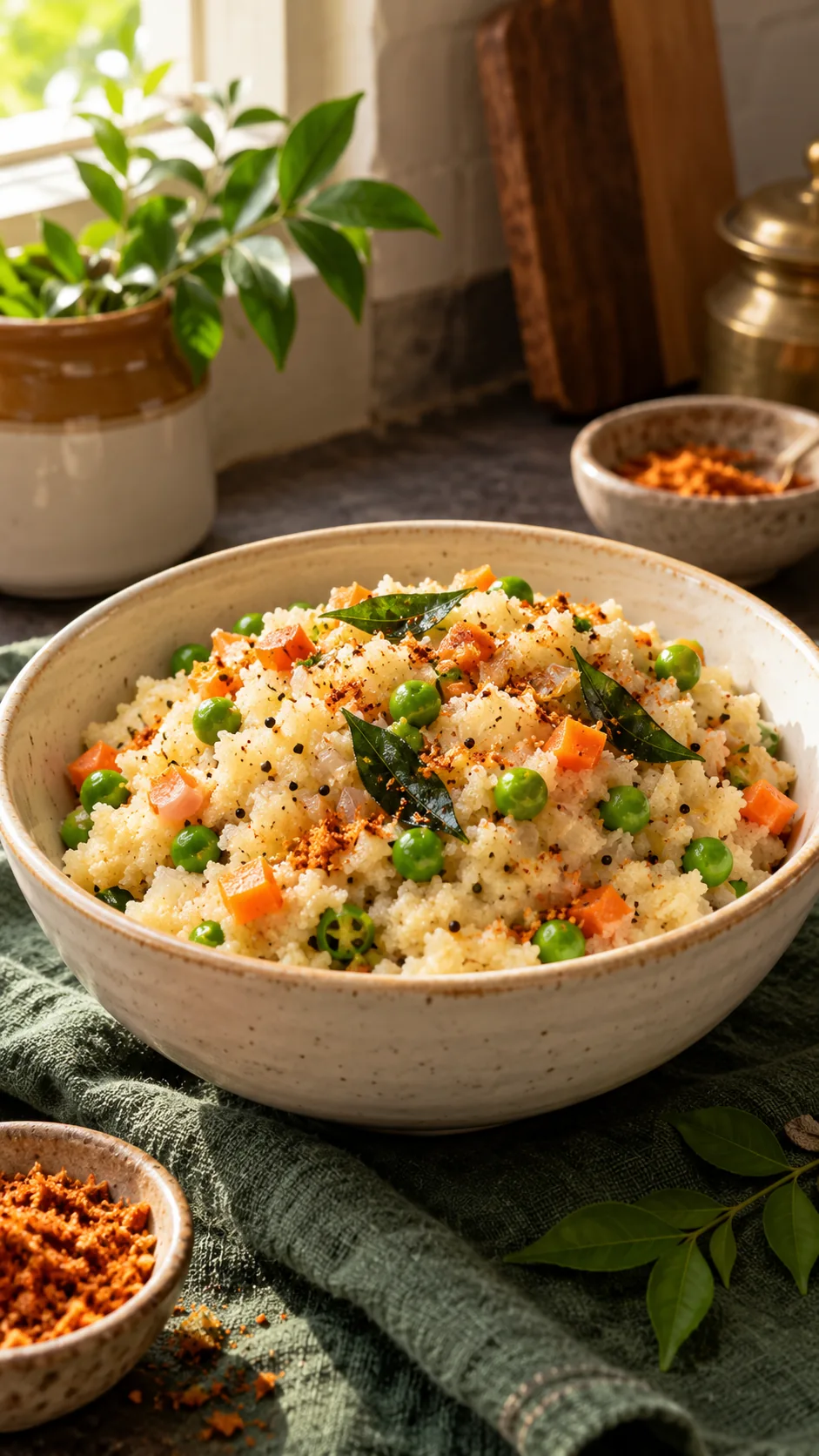
A good bowl of upma should feel soft, warm and easy to eat. Podi adds a roasted note that makes a simple rava breakfast worth sitting down for.
For this version, most of the cooking happens before the podi goes in. Add it while the upma is still moist, fold gently, then give it a short covered rest. The seasoning spreads through the bowl without sitting in dry pockets.
The recipe at a glance
Serves 2 generously. Prep: 10 minutes. Cook: about 20 minutes. Use the same cup to measure the rava and water.
What you’ll need
- 1 cup medium rava or sooji, about 160 g
- 2½ cups water, about 600 ml, plus a little hot water if needed
- 1 tbsp oil or ghee
- ½ tsp mustard seeds
- 8 curry leaves
- 1 small onion, finely chopped
- ½ cup small-diced carrot and peas
- 1 tbsp Rapidli Karnataka Podi, plus more to serve if wanted
- 1 tsp lemon juice, optional
- Salt only if needed
Rava grades vary. This amount of water suits medium rava as a starting point. Very fine sooji cooks faster, while a coarser variety may need another splash of hot water.
Roast the rava
Put the rava in a dry, heavy pan over low to medium-low heat. Stir for about 4 to 6 minutes, until it smells lightly toasted. Keep it pale and move it often so the bottom doesn’t catch.
If the packet says the rava is pre-roasted, you can simply warm it for a minute. Transfer it to a bowl while you cook the vegetables.
Build the base
- Heat the oil or ghee in the pan over medium heat. Add mustard seeds and let them splutter. Add the curry leaves carefully.
- Add the onion and cook for about 3 minutes, until softened. Stir in the carrot and peas and cook for another 2 minutes.
- Pour in the measured water and bring it to a boil. The vegetables should begin to soften before the rava goes in.
- Lower the heat. Pour in the roasted rava slowly while stirring with your other hand. Keep the stream thin to prevent lumps.
- Cover and cook on low heat for about 3 to 5 minutes, until the rava has absorbed most of the water and feels tender.
Now add the podi
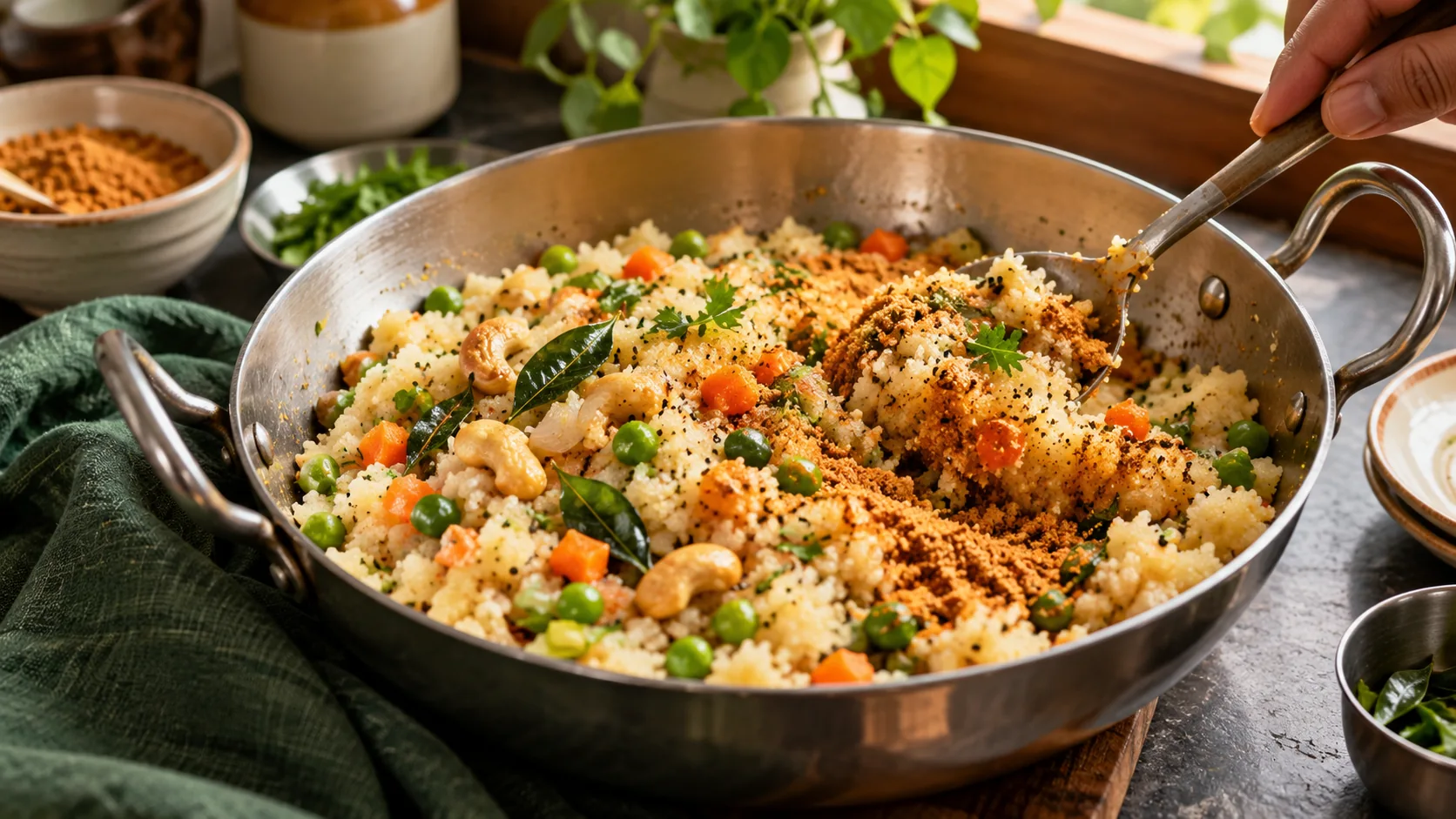
Sprinkle the tablespoon of podi across the warm, moist upma. Fold it in gently rather than beating the mixture. If the pan looks dry, add 1 or 2 tablespoons of hot water first.
Cover and cook on low for another minute. Switch off the heat and rest, covered, for 2 minutes. Taste and add salt only if needed. Finish with lemon juice if you like.
This timing is a practical way to keep the roasted seasoning easy to notice. For more on using podi around heat, read when to add podi to hot food.
Fix the common upma problems
Hard grains: Add a small splash of boiling water, cover and cook on low for a few more minutes. Stirring harder won’t soften undercooked rava.
Dry clumps of seasoning: Sprinkle the podi broadly and fold it into moist upma. Dumping it into one corner makes mixing harder.
A sticky, heavy texture: Add the rava slowly and avoid constant stirring after it has set. Next time, check whether you’re using finer sooji, which behaves differently from medium rava.
Keep the breakfast flexible
You can use beans instead of peas, or skip the vegetables on a busy morning. Chop firm vegetables small enough to cook before the rava has absorbed its water.
Start with a little less podi if you’re using a hotter blend. Salt can wait until the end; our guide to salt already present in podi explains why that helps.
Serve and store
Serve warm with plain curd or chutney. A small spoonful of ghee on top is lovely if you want a richer bowl.
Cool leftovers promptly and refrigerate in a covered container. Reheat with a splash of water until steaming hot, breaking up the upma gently as it warms. It usually needs a little moisture to feel soft again.

Related posts
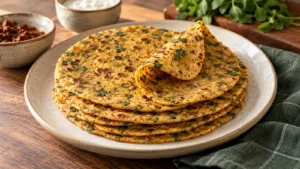
Mix podi into fresh methi thepla dough for a savoury flatbread. Follow the dough, rolling and pan tips to keep each thepla soft.
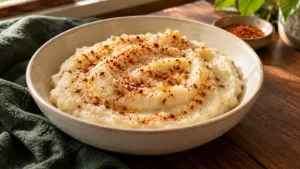
Make a podi variation on Gujarati khichu with cooked rice flour, cumin and a Tamil Podi finish. Learn how to keep it soft and avoid...more
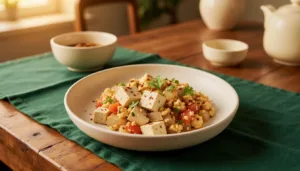
Make a tofu scramble with Karnataka Podi, onion and tomato. Drain firm tofu and reduce the tomato first so the crumbles keep their texture.
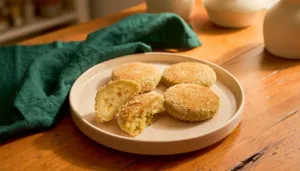
Make raw banana cutlets with Tamil Podi and a light breadcrumb crust. Cool the cooked banana before mashing and fry a tester before shaping the...more
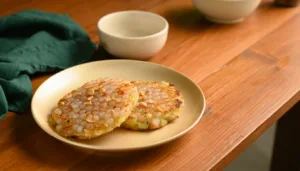
Make small sabudana thalipeeth with potato, peanuts and Tamil Podi. Drain the pearls well and shape gently for pancakes that hold together.