


No products in the cart.
Return To Shop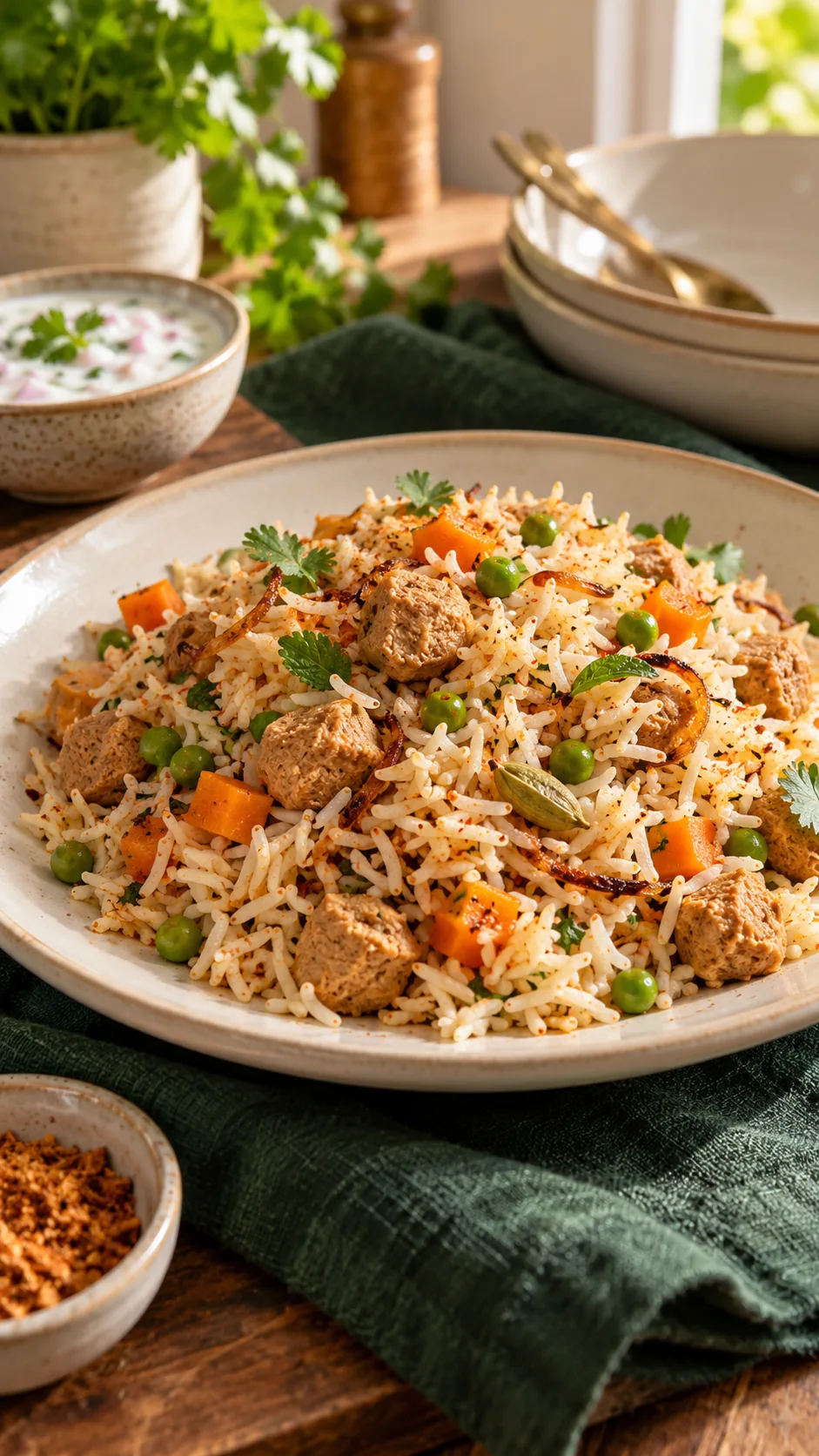
A bowl of pulao can do a lot with a handful of soya chunks. They give the rice some bite, while podi brings roasted flavour to the finished pot. It’s a useful lunch when you want familiar ingredients and one main pan.
The soya needs a little attention before it meets the rice. Cook it as the packet directs, drain and squeeze well. Extra water hiding in those chunks can throw off the rice.
The recipe at a glance
Serves 2 generously. Prep: 15 minutes, plus 20 minutes for soaking the rice. Cook: about 20 minutes. Rest: 10 minutes.
What you’ll need
- 1 cup basmati rice, about 180 g
- ½ cup dry small soya chunks, about 40 g
- 1 tbsp oil or ghee
- ½ tsp cumin seeds
- 1 small onion, thinly sliced
- 1 tsp ginger-garlic paste
- ½ cup small-diced carrot and peas
- 1¾ cups hot water, about 420 ml
- 1 tbsp Rapidli Karnataka Podi, plus more to taste
- 1 tsp lemon juice, optional
- Salt only if needed
Use the same cup for rice and water. This water amount is a starting point for soaked basmati cooked in a covered saucepan. Check your rice packet too; different varieties need different amounts.
Prepare the rice and soya
Rinse the rice, soak in fresh water for 20 minutes, then drain well. Prepare the soya chunks according to the packet. Once cool enough to handle, squeeze them firmly in small handfuls.
For large chunks, cut them into smaller pieces after squeezing. Keep the pieces similar in size so they sit comfortably among the rice.
This recipe uses cooked soya chunks before they enter the pulao pan. A quick soak alone may not match every brand’s cooking instructions.
Cook the pulao
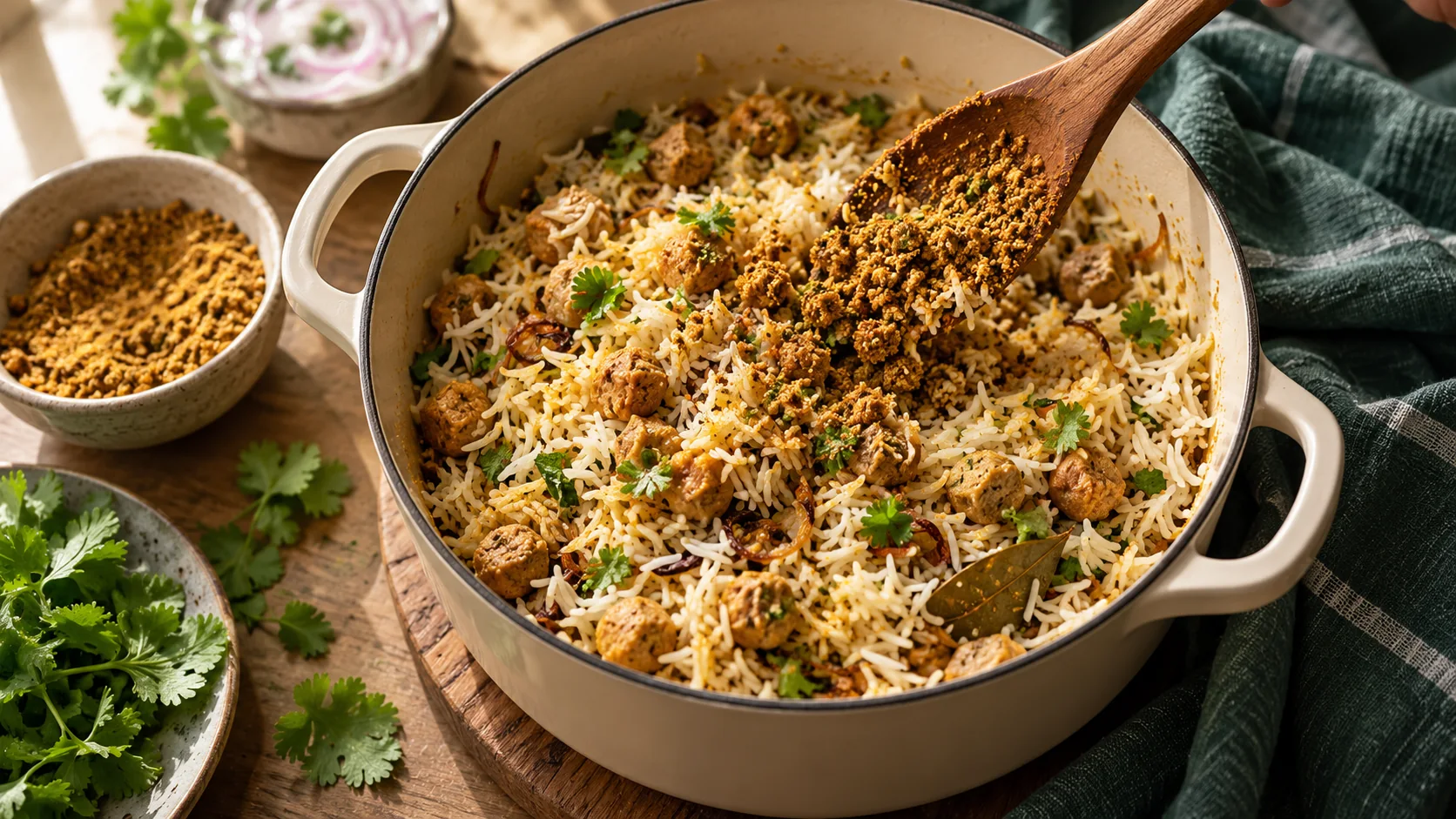
- Heat the oil or ghee in a heavy saucepan over medium heat. Add cumin and let it sizzle briefly.
- Add onion and cook for about 4 minutes, until soft and lightly golden. Stir in ginger-garlic paste and cook for another minute.
- Add carrot, peas and squeezed soya. Stir for 2 minutes so surface moisture can evaporate.
- Add drained rice and fold gently for a minute. Pour in the hot water and bring to a gentle boil.
- Cover with a close-fitting lid, turn the heat low and cook for about 12 to 15 minutes, until the rice is tender and the water is absorbed.
- Switch off the heat and rest, covered, for 10 minutes. Fluff with a fork.
If the rice is still firm and the pan is dry, add 2 tablespoons of boiling water, cover and cook on low for a few more minutes. Avoid repeated stirring, which can break the grains.
Add podi after cooking
Sprinkle the podi across the warm pulao, then fold it in with a wide spoon. Spread it over the surface rather than tipping the whole spoonful into one corner.
Taste before adding salt. Add lemon juice if you like a sharper finish. The podi already has seasoning, so you can adjust the whole bowl with a light hand.
Our guide to adding podi to hot food explains why a late addition is useful for a dry pan dish.
Keep the grains separate
Draining the soaked rice and squeezing the soya both matter. So does the resting time. Give the steam a chance to settle before you start fluffing.
This is a measured recipe cooked from raw rice. If you’ve already got cooked rice in the fridge, our leftover podi rice recipe is the better route for that bowl.
Make lunch easy
Serve warm with plain curd and cucumber. Soya supplies much of the protein here; the podi is the seasoning that brings the meal together.
Cool leftovers promptly in a shallow container and refrigerate. Reheat until steaming hot throughout. For carrying lunch, follow our podi lunch-packing guide and keep perishable food properly chilled until eating.

Related posts
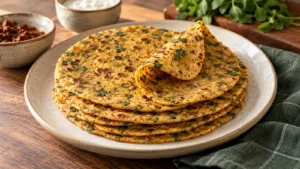
Mix podi into fresh methi thepla dough for a savoury flatbread. Follow the dough, rolling and pan tips to keep each thepla soft.
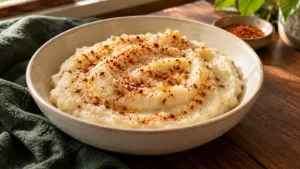
Make a podi variation on Gujarati khichu with cooked rice flour, cumin and a Tamil Podi finish. Learn how to keep it soft and avoid...more
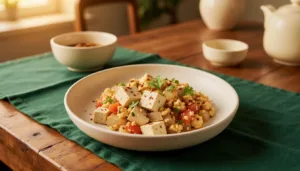
Make a tofu scramble with Karnataka Podi, onion and tomato. Drain firm tofu and reduce the tomato first so the crumbles keep their texture.
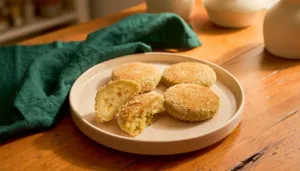
Make raw banana cutlets with Tamil Podi and a light breadcrumb crust. Cool the cooked banana before mashing and fry a tester before shaping the...more
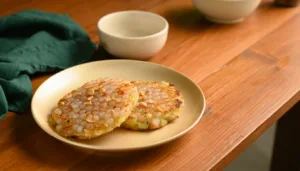
Make small sabudana thalipeeth with potato, peanuts and Tamil Podi. Drain the pearls well and shape gently for pancakes that hold together.