


No products in the cart.
Return To Shop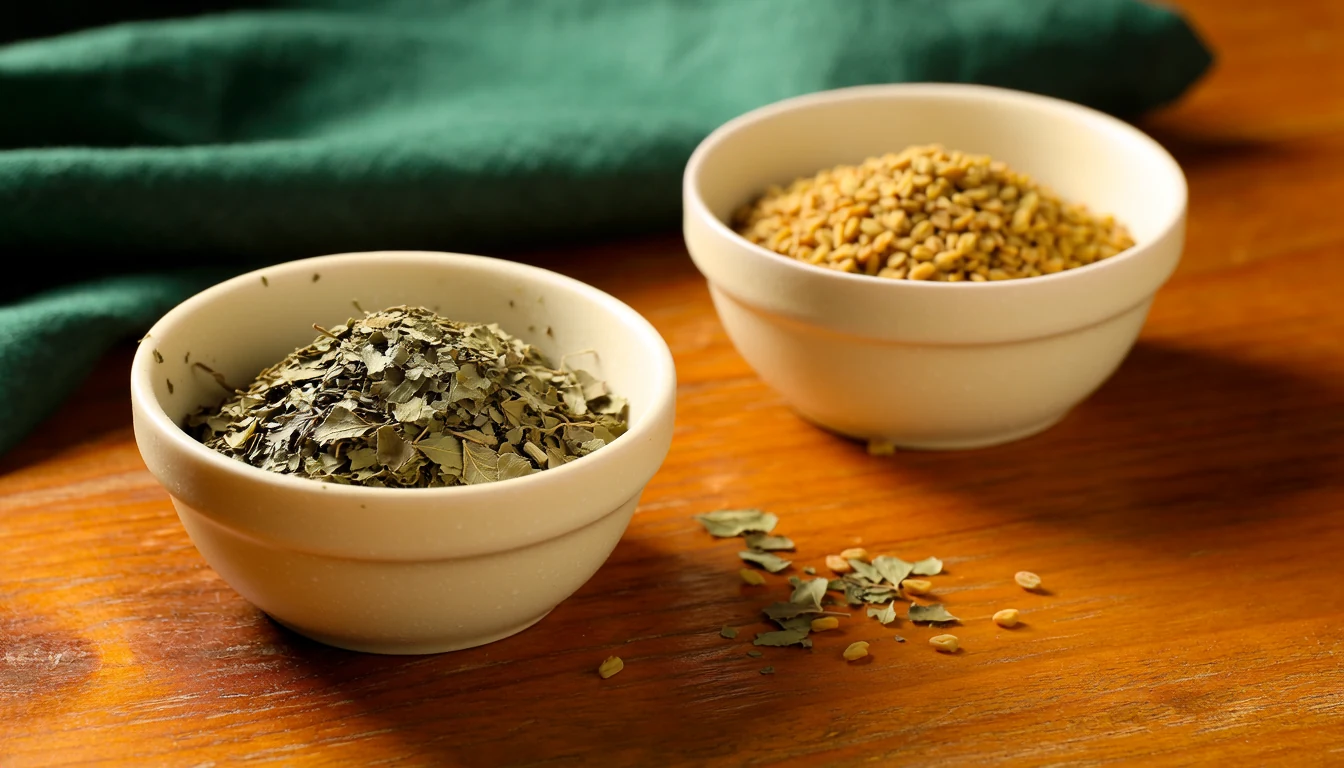
A paneer gravy asks for kasuri methi. Your spice box has methi seeds. It’s tempting to use what’s there, but a spoonful of seeds will change the dish quite a bit.
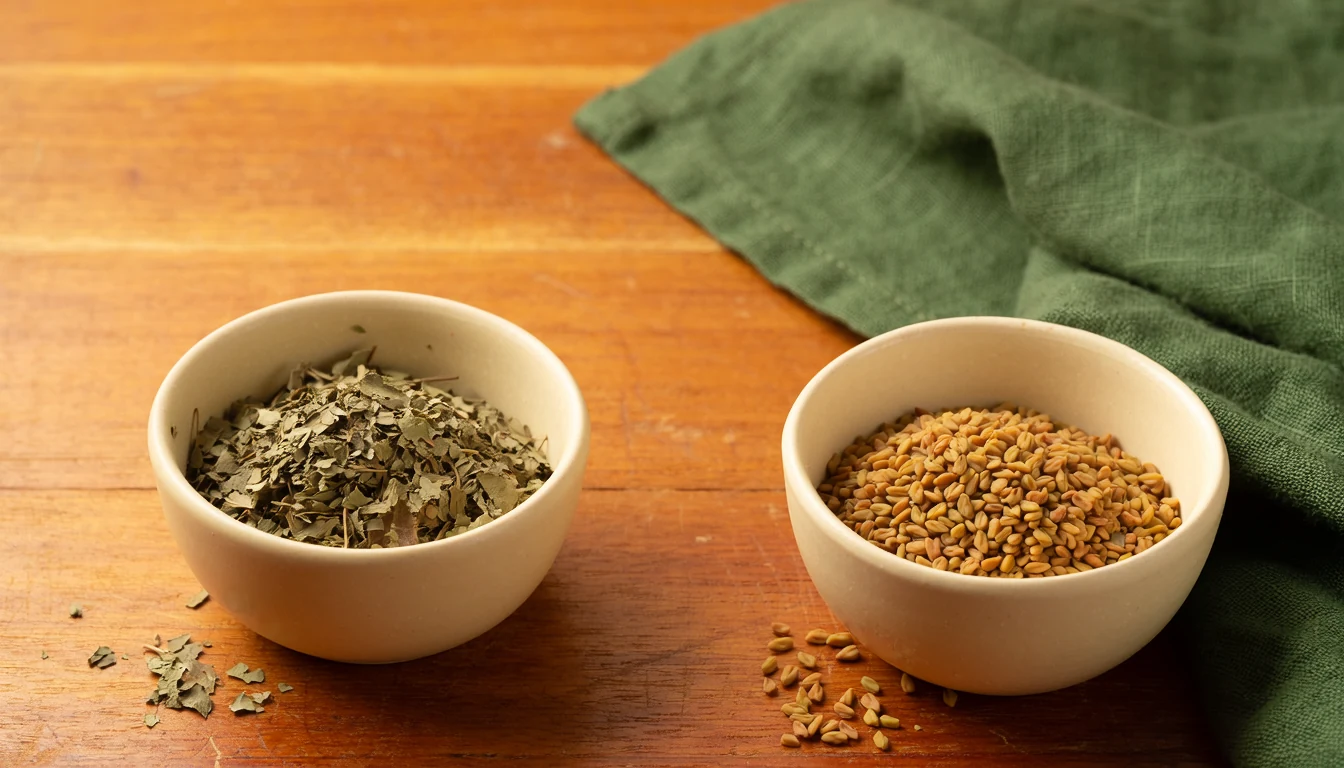
Kasuri methi is sold as dried fenugreek leaves. Methi seeds are the small, hard seeds used in spice mixes, pickles and tempering. Both have a place in the kitchen, with different textures and ways of adding flavour.
What’s in each packet?
| What to check | Kasuri methi | Methi seeds |
|---|---|---|
| Plant part | Dried leaves | Seeds |
| Appearance | Light, crumbled green or olive leaf pieces | Hard, angular yellow-brown seeds |
| Flavour in cooking | Aromatic leafy fenugreek character | A stronger bitter edge, especially in excess |
| Common uses | Finishing gravies, seasoning dough and cooked vegetables | Pickles, spice blends and carefully controlled tempering |
| Handling | Often crushed before adding | Used whole or ground as a recipe directs |
The Spices Board describes fenugreek seeds as having a bitter taste and lists their use in curry powders and pickles. That bitterness is part of the spice’s character, not a reason to pour it freely into every dish.
When should kasuri methi go in?
For a gravy, a small amount crushed between clean palms near the end gives a useful starting point. Stir it in and let it warm through briefly before tasting. Follow a recipe’s amount before adding a second pinch.
In a dough or filling, the leaves may go in earlier so they spread through the mixture. “Always add it last” is too broad a rule. The dish and the texture you want still matter.
Some cooks briefly warm dried leaves before crushing them. If you do, use gentle heat and watch closely. Thin leaves can scorch quickly.
Why seeds need a different approach
Whole seeds bring texture as well as flavour. In a tadka, a small measured amount gets a short time in warm oil before the next ingredient goes in. Don’t let them sit until black.
A ground spice mix spreads their flavour more widely. That can be useful in a recipe built for it, but it also makes a heavy hand harder to undo. Start with the quantity the recipe actually names.
Can one replace the other?
There isn’t a dependable spoon-for-spoon swap. A tablespoon of light dried leaves and a tablespoon of dense seeds are very different additions.
If you’re making a creamy paneer gravy and only the finishing leaves are missing, leaving them out may give a better result than adding a handful of seeds. For a pickle or blend where seeds are central, wait for the proper ingredient or choose another recipe.
Grinding seeds doesn’t turn them into dried leaves. It changes their size, not their plant part or flavour.
What if the dish tastes too bitter?
Stop adding seasoning and check what went into the pan. Burnt spices and an excessive quantity can both spoil the balance. Increasing the unseasoned base may help when you’ve simply used too much, but badly burnt flavours don’t disappear with sugar or lemon.
Our guide to rescuing an over-seasoned dish covers measured adjustments. Avoid adding several “fixes” before tasting between them.
Keep the jars clearly labelled
Store both dry and well sealed, away from steam and direct heat. Check the packet’s storage directions and retain the ingredient details. Don’t judge freshness by colour alone.
For another useful pantry distinction, read cumin, caraway and shahi jeera. Knowing which ingredient a recipe means is often the most useful cooking shortcut.
Sources
Ingredient background: Spices Board: fenugreek. Also see ICAR-IISR’s fenugreek profile. Sources checked 18 October 2026.


Related posts
Understand why oil appears around cooked masala, what other signs to check and why a low-oil curry may never show a clear pool.
Fresh ginger and dry ginger powder bring different flavour and texture. Learn where each fits and how to approach a substitution without overdoing it.
Learn how green and black cardamom differ in aroma, common uses and handling, and why swapping the pods can change your dish.
Learn why curd turns grainy in gravy, how to add it gently and what you can realistically rescue once the sauce has split.
Learn why dal forms foam, when skimming helps and how to manage a rising pot. Cooking foam alone can’t tell you whether soaked dal is...more