


No products in the cart.
Return To Shop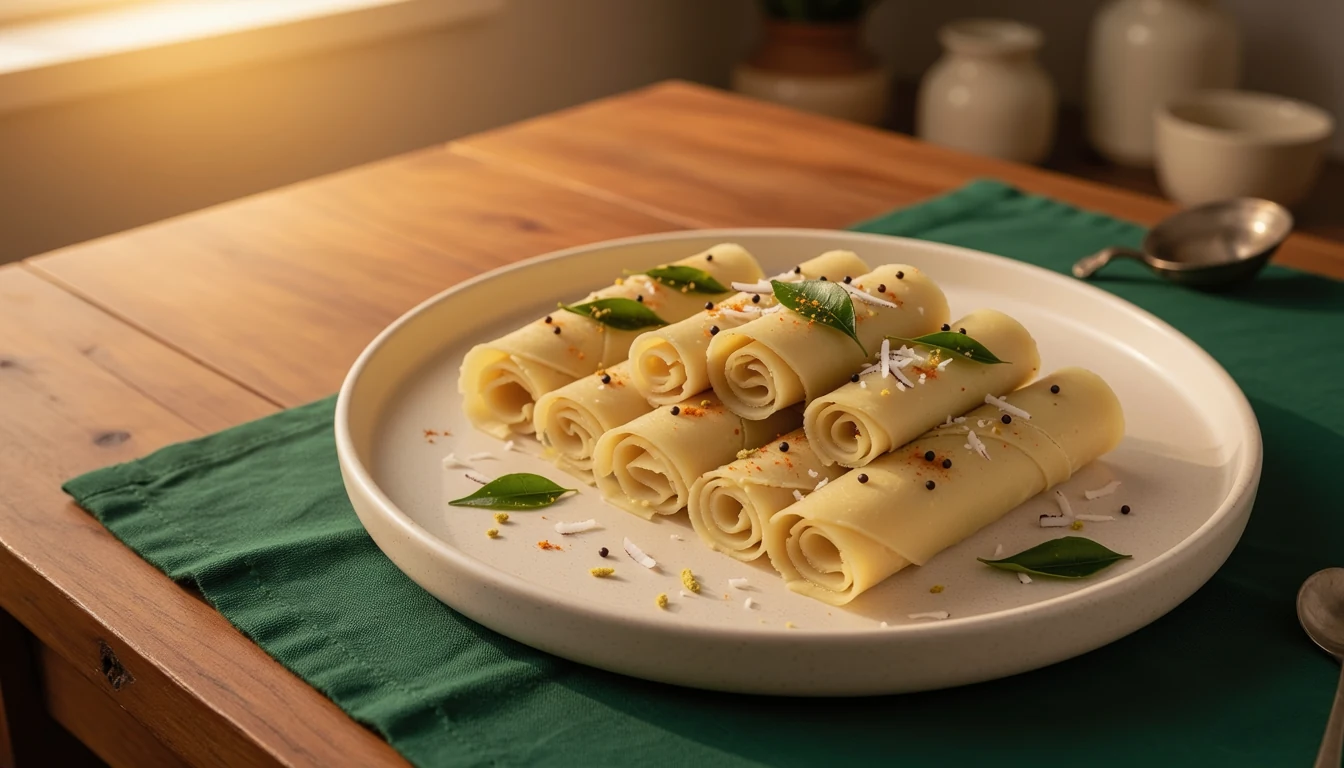
Khandvi rewards a little preparation. Clear the counter, set out your spreading surfaces and keep the spatula close. Once the batter is ready, it needs spreading while it’s still hot.
This is a podi variation on the Gujarati snack. Tamil Podi goes over the finished rolls. Keeping coarse seasoning out of the batter makes thin sheets easier to spread and roll.
Ingredients for 3 to 4 snack servings
Prep: 15 minutes. Cooking: about 15 to 20 minutes. Cooling and rolling: about 10 minutes. Use a 240 ml cup.
- ½ cup besan, about 60 g
- ½ cup plain smooth curd, about 120 g
- 1 cup water, 240 ml
- ⅛ teaspoon turmeric
- ¼ teaspoon salt to start
- 1 teaspoon Rapidli Tamil Podi, then adjust after tasting
- 2 teaspoons oil, plus a trace for the spreading surfaces
- ½ teaspoon mustard seeds
- 6 curry leaves, washed and dried
- 1 tablespoon freshly grated coconut
- 1 tablespoon chopped coriander
Have two large clean, smooth metal trays or food-safe heat-resistant spreading surfaces ready. Lightly grease, then wipe off excess oil. A thick oily layer makes the batter slide instead of spread.
Whisk out the lumps before heating
- In a bowl, whisk besan with curd, adding the water gradually. Add turmeric and salt. Pass through a sieve if lumps remain.
- Pour into a heavy saucepan or non-stick pan. Cook over medium-low heat, stirring continuously and scraping the base and corners.
- As it thickens, keep stirring until smooth and glossy. This may take about 8 to 15 minutes, depending on the pan and heat. Avoid tasting uncooked batter.
Test a strip before spreading the batch
- Spread a teaspoon of the thickened batter thinly on a small part of the prepared surface. Let it cool for a minute or two.
- Try lifting an edge and rolling the strip. If it lifts cleanly and holds, the batter is ready. If it sticks like wet paste or tears, cook the main batch for another minute, then test again.
- Once it passes, work promptly. Divide the hot batter over the prepared surfaces and spread into a very thin, even sheet with a flat spatula. Protect your hands from the hot pan and batter.
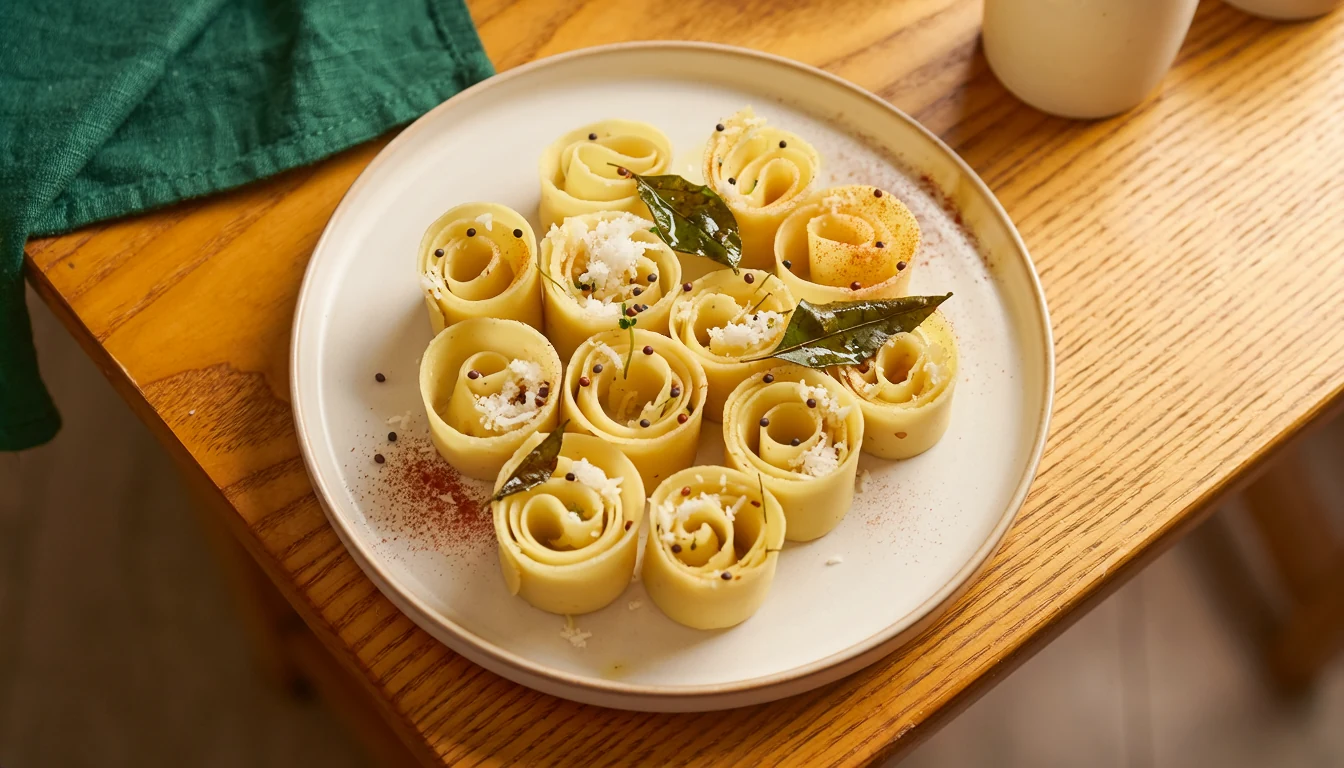
- Cool for about 5 to 8 minutes, until set and comfortable to handle. Cut into strips about 4 cm wide and roll each gently from one end.
Season the rolls after shaping
- Arrange the rolls on a plate. Heat 2 teaspoons oil in a small pan. Add mustard seeds; when they start popping, lower the heat and carefully add the dry curry leaves.
- Turn off the heat and spoon the tempering over the rolls. Add coconut and coriander.
- Sprinkle the podi lightly over the plate, starting with 1 teaspoon for the batch. Taste before adding more. The rolls should remain delicate rather than buried in powder.
If the sheet won’t roll
Wet, sticky batter usually needs more cooking before spreading. A thick sheet can also tear under its own weight. Test a small strip early so you don’t commit the whole batch before it’s ready.
If the cooked batter becomes too stiff to spread, take the pan off the heat and try stirring in a tablespoon of hot water. Reheat briefly and test again. Recovery isn’t guaranteed, so keep the heat gentle and watch the texture.
Serve soon after seasoning. For another steamed-style snack, see our podi rava dhokla. Our besan and sattu guide explains why the flour matters. This recipe contains milk; check the podi label for other allergens.

Related posts
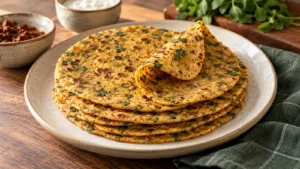
Mix podi into fresh methi thepla dough for a savoury flatbread. Follow the dough, rolling and pan tips to keep each thepla soft.
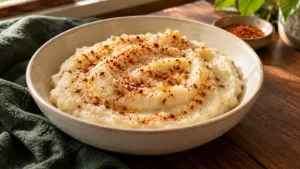
Make a podi variation on Gujarati khichu with cooked rice flour, cumin and a Tamil Podi finish. Learn how to keep it soft and avoid...more
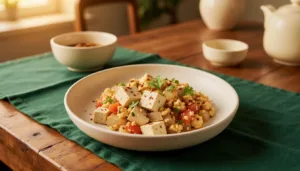
Make a tofu scramble with Karnataka Podi, onion and tomato. Drain firm tofu and reduce the tomato first so the crumbles keep their texture.
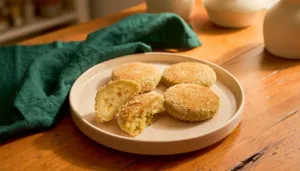
Make raw banana cutlets with Tamil Podi and a light breadcrumb crust. Cool the cooked banana before mashing and fry a tester before shaping the...more
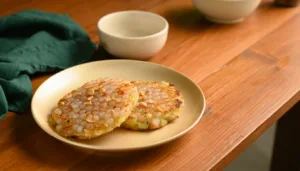
Make small sabudana thalipeeth with potato, peanuts and Tamil Podi. Drain the pearls well and shape gently for pancakes that hold together.