


No products in the cart.
Return To Shop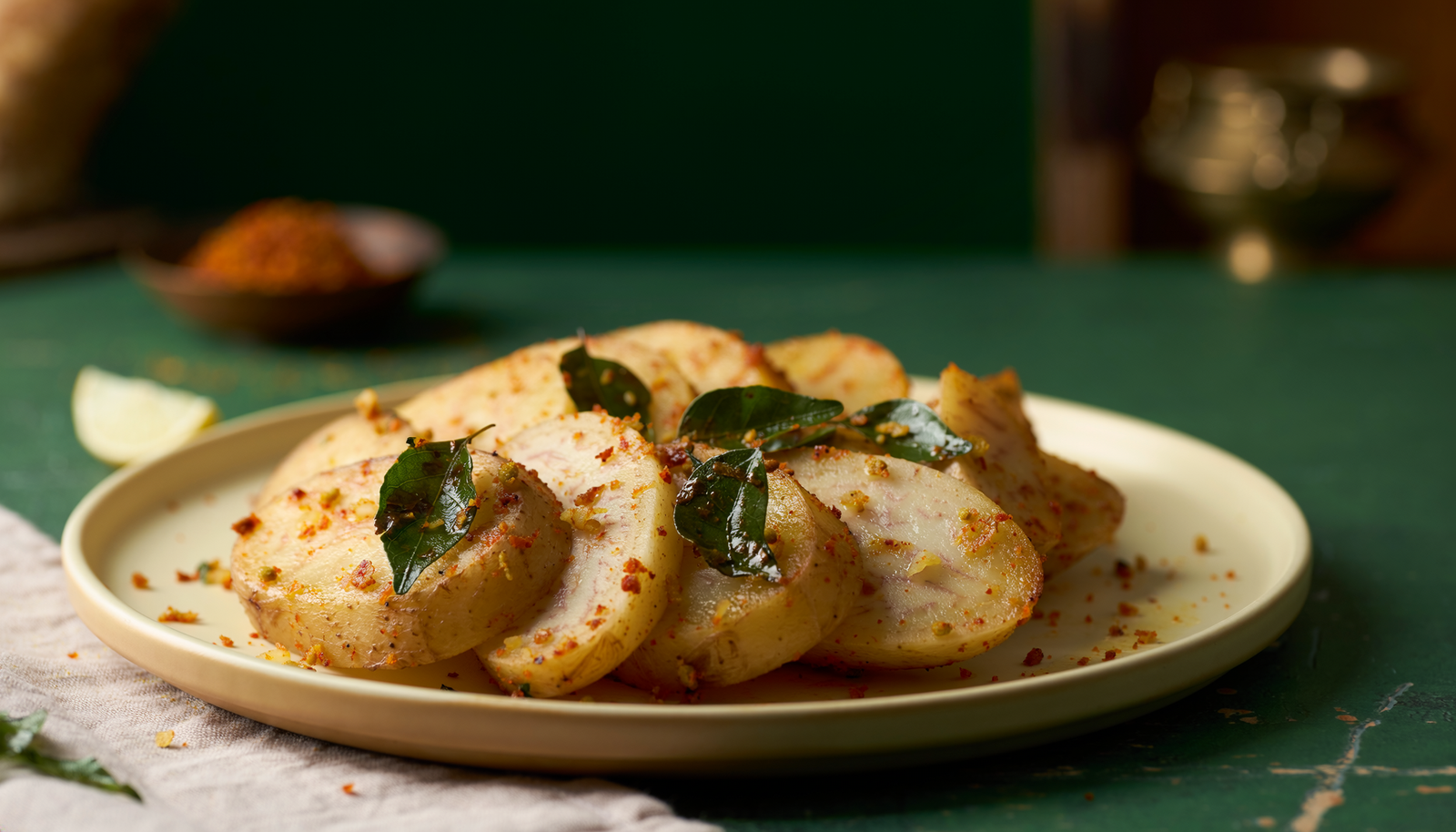
Arbi needs a little patience before it becomes a good dry fry. If the pieces are wet, crowded or stirred too soon, you’ll spend more time scraping the pan than browning the edges.
For this podi arbi fry, boil the roots until cooked but still holding their shape. Cool and dry them, then let the pan do its job. Tamil Podi goes in at the end so its roasted ingredients don’t sit over high heat.
What you’ll need
Serves: 3 as a side. Prep: 10 minutes, plus 20 to 30 minutes cooling. Cooking: about 35 to 45 minutes, depending on the roots.
- 500 g small to medium arbi, also called taro or colocasia roots
- 1½ tablespoons oil
- ½ teaspoon cumin seeds
- 8 curry leaves, washed and dried, optional
- ¼ teaspoon turmeric
- 2 teaspoons Rapidli Tamil Podi to start
- 1 to 2 teaspoons lemon juice, to taste
- 1 tablespoon chopped coriander, optional
- Salt only if needed
Choose sound, firm roots without rot. Don’t eat raw or undercooked arbi. Raw taro can irritate skin, so wear food-safe gloves if handling it bothers you.
Boil, cool and dry
- Scrub the arbi clean. Place it in a saucepan, cover with water and bring to a boil.
- Simmer until a knife reaches the centre without a hard resistance, usually about 20 to 30 minutes for smaller roots. Size matters more than the clock. The roots should be cooked but not collapsing.
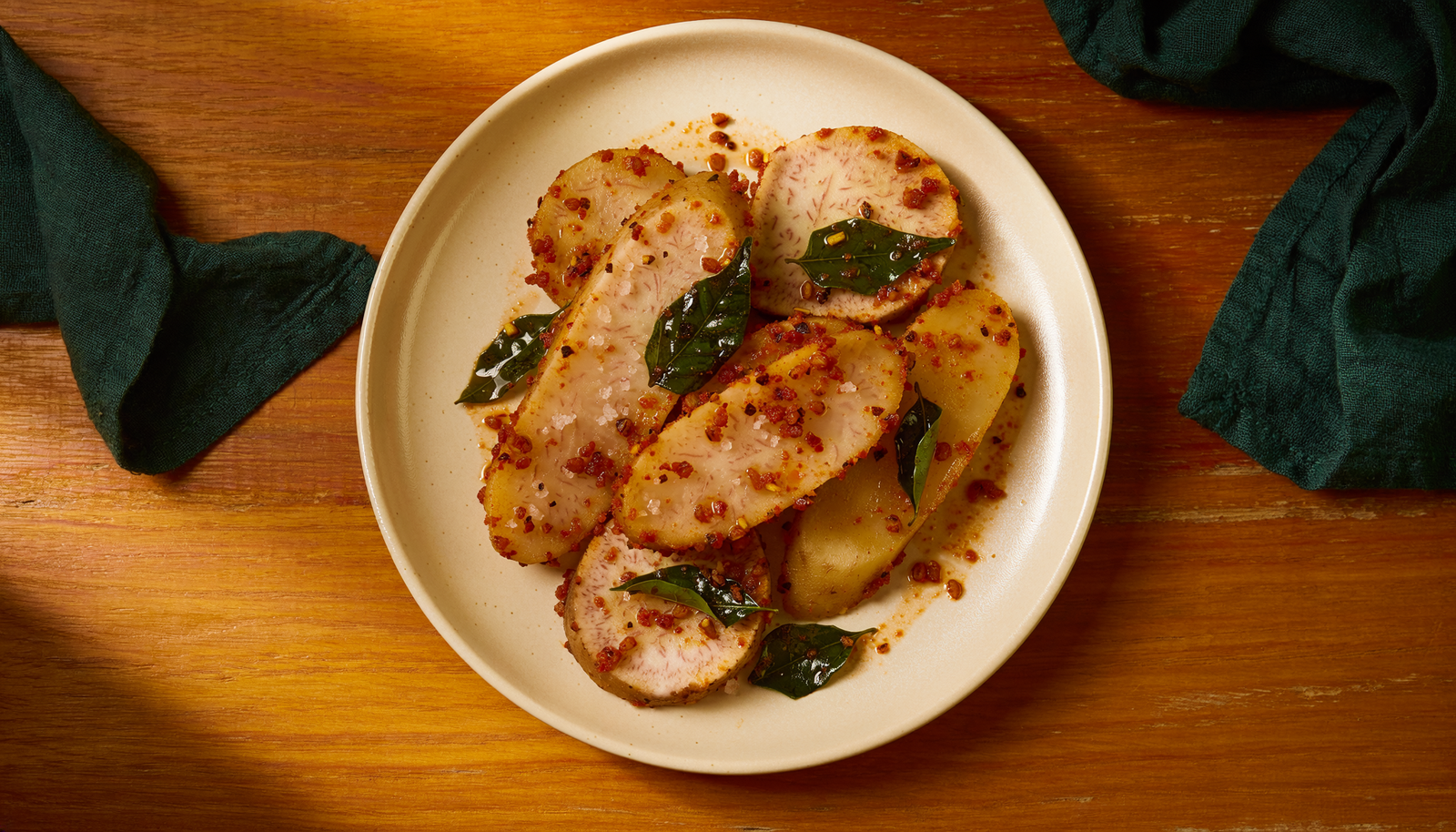
- Drain, discard the cooking water and let the arbi cool enough to handle. Peel, then cut into thick rounds or lengthways slices, about 1 cm thick.
- Spread the pieces on a plate for 15 to 20 minutes so surface moisture can escape. Blot gently with a clean kitchen towel if needed.
Give each piece a patch of pan
- Heat a wide non-stick or well-seasoned pan over medium heat. Add the oil and cumin. When the cumin sizzles, carefully add the dry curry leaves, if using.
- Add the arbi in a single layer. Work in two batches if the pan is small. Sprinkle over the turmeric.
- Leave the pieces for 3 to 4 minutes before trying to turn them. Once the underside is lightly golden and releases, turn gently. Cook the other side for another 3 to 4 minutes, then brown any pale edges as needed.
- Check that the centres are fully tender. Lower the heat, sprinkle over the podi and fold gently for about 30 seconds. Add a small splash of water only if the seasoning is catching.
- Turn off the heat. Add lemon juice and optional coriander. Taste a cooked piece before adding salt or more podi.
If the arbi sticks
First, give it another moment. A browned surface often releases more easily than a pale one. Keep the heat moderate and use a thin spatula.
If the pieces are breaking apart, they may have been boiled too far or turned too often. They’ll still make a tasty soft side, but the next batch needs firmer pieces and less handling.
Serve with a simple meal
Dal, roti and plain curd make a good plate around this dry fry. Serve promptly while the edges still have some bite.
For a different vegetable texture, try our podi cabbage stir-fry. Our podi timing guide explains the late addition used here.
Check the podi pouch for allergens. For background on why taro needs cooking, see this research on cooking taro corms.

Related posts

Mix podi into fresh methi thepla dough for a savoury flatbread. Follow the dough, rolling and pan tips to keep each thepla soft.
Make a podi variation on Gujarati khichu with cooked rice flour, cumin and a Tamil Podi finish. Learn how to keep it soft and avoid...more

Make a tofu scramble with Karnataka Podi, onion and tomato. Drain firm tofu and reduce the tomato first so the crumbles keep their texture.
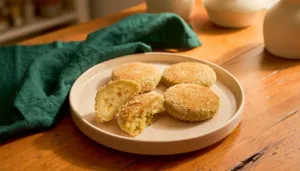
Make raw banana cutlets with Tamil Podi and a light breadcrumb crust. Cool the cooked banana before mashing and fry a tester before shaping the...more
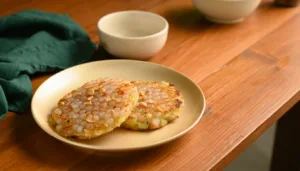
Make small sabudana thalipeeth with potato, peanuts and Tamil Podi. Drain the pearls well and shape gently for pancakes that hold together.