


No products in the cart.
Return To Shop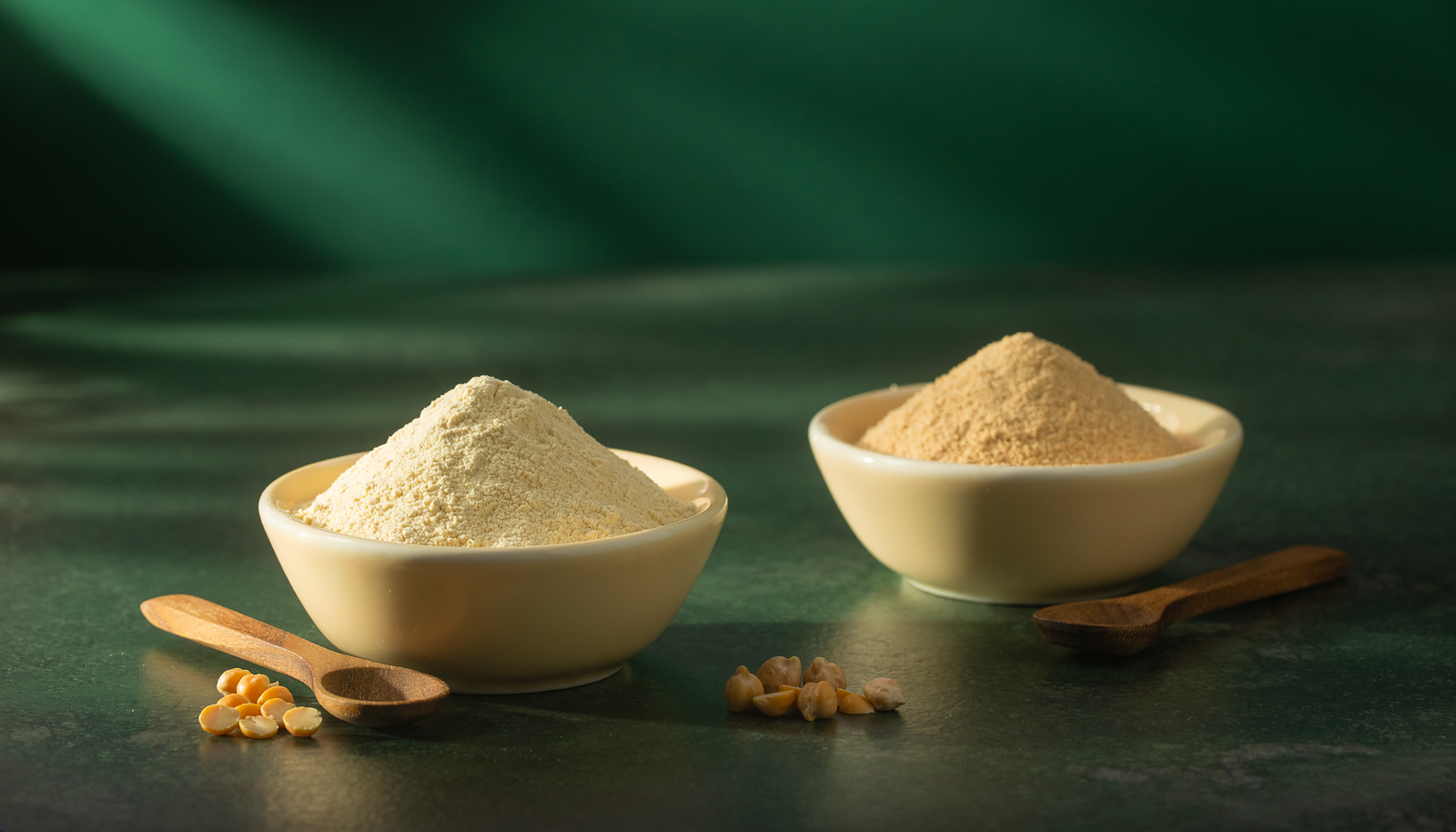
Reach for besan when a pakora batter needs mixing. Reach for chana sattu when a roasted gram filling is the point. They may sit on the same shelf, but swapping the packets can change dinner.
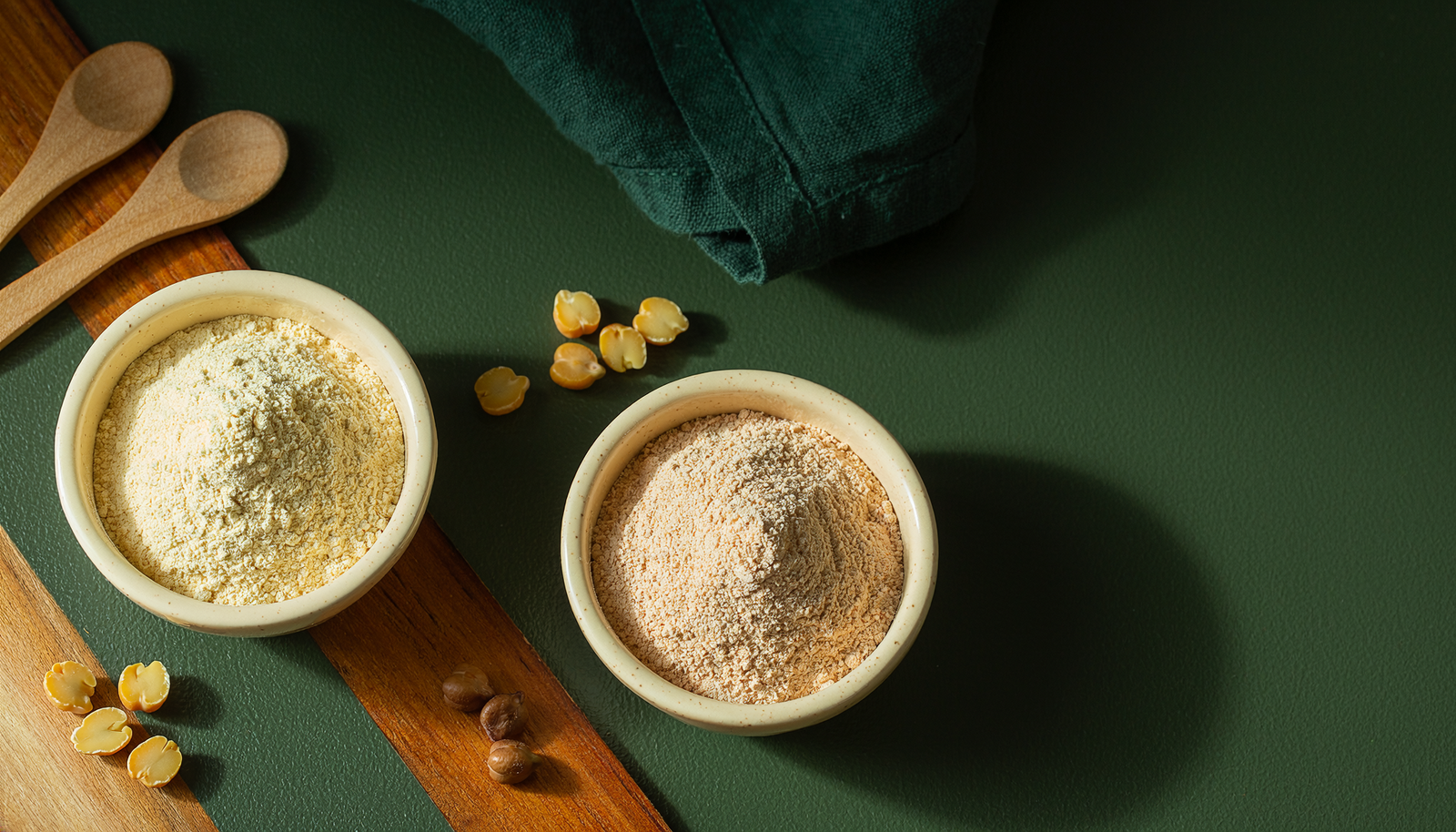
The useful difference is simple: ordinary besan is flour made from dehusked Bengal gram. Chana sattu is made by grinding roasted Bengal gram. That roasting step changes the starting flavour and how you use the flour.
First, check which sattu you have
In this guide, “sattu” means chana sattu. The word also appears on cereal and mixed-grain products, so the front of the packet isn’t the whole story. Read the ingredient list before deciding that two bags contain the same thing.
The FSSAI cereals chapter describes besan and roasted Bengal gram flour separately. ICAR research also documents sattu blends containing cereals and pulses. That’s a good reason to check the label instead of judging by the yellow colour.
Besan and chana sattu at a glance
| Question | Besan | Chana sattu |
|---|---|---|
| What is it? | Ground dehusked Bengal gram | Ground roasted Bengal gram |
| What flavour does it start with? | A raw pulse character that changes during cooking | A roasted gram flavour |
| Where is it commonly used? | Pakora batter, chilla, kadhi and cooked sweets | Litti filling, stuffed paratha filling and drinks when the pack permits direct use |
| Can you swap it freely? | No. Follow the recipe’s cooking step. | No. Roasted flavour and water needs can change the result. |
Why besan suits a batter
Besan mixes with water to make the coating used for many pakoras. As that coating cooks, its flavour and texture change. The amount of water still matters: a thin batter and a thick batter won’t coat the same way.
Sattu can be used in recipes designed for it, but it isn’t a guaranteed one-for-one replacement. A roasted flour may need a different amount of liquid, and you’ll carry its roasted taste into the dish. Start with a recipe that names sattu rather than guessing halfway through a large batch.
Why sattu belongs in a filling
Chana sattu brings roasted gram flavour before the filled dish reaches the heat. That’s part of its appeal in litti. The filling still needs the right moisture and seasoning so it doesn’t eat like loose, dry powder.
Our podi sattu litti recipe builds on that roasted flavour. Replacing its sattu with ordinary raw besan would change the filling and its cooking needs. It’s not the swap we’d suggest.
Can besan go straight into a sattu drink?
No. Don’t replace ready-to-use chana sattu with ordinary raw besan in an uncooked drink. Raw flour needs proper cooking. For a sattu drink, choose a product intended for that use and follow its directions.
Roasted doesn’t mean a packet can be handled carelessly. Use clean utensils and safe drinking water, keep the dry flour away from moisture, and follow the storage instructions.
Which one has more protein?
Compare the nutrition panels of the actual products, using the same weight. A name alone won’t give you a reliable winner, especially when one sattu contains other grains.
Then look at how much you’ll eat. A spoonful in a drink and a serving of cooked chilla aren’t equal portions. There’s no need to turn a useful pantry choice into a health contest.
Where podi fits
Podi is a separate seasoning, not a replacement for either flour. It can season a cooked besan dish or a sattu filling, but it won’t do the flour’s job. Our how-to-use guide shows where a little seasoning makes sense.
The short answer? Buy besan for the dishes that need besan, and chana sattu for the recipes built around roasted gram. Label the jars. Your next breakfast will be easier.
Sources
Checked 15 October 2026: FSSAI cereals and cereal products chapter, sections on besan and roasted Bengal gram flour; ICAR research on soy-fortified sattu and cereal-pulse formulations; FDA guidance on raw flour.

Related posts
Understand why oil appears around cooked masala, what other signs to check and why a low-oil curry may never show a clear pool.
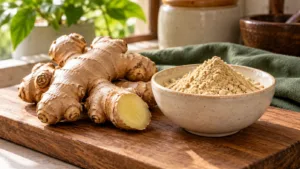
Fresh ginger and dry ginger powder bring different flavour and texture. Learn where each fits and how to approach a substitution without overdoing it.
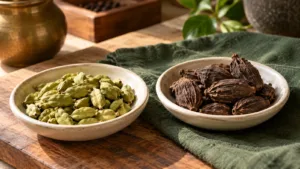
Learn how green and black cardamom differ in aroma, common uses and handling, and why swapping the pods can change your dish.
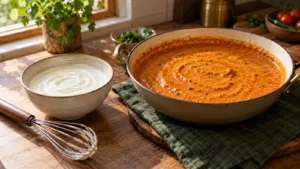
Learn why curd turns grainy in gravy, how to add it gently and what you can realistically rescue once the sauce has split.

Learn why dal forms foam, when skimming helps and how to manage a rising pot. Cooking foam alone can’t tell you whether soaked dal is...more