


No products in the cart.
Return To Shop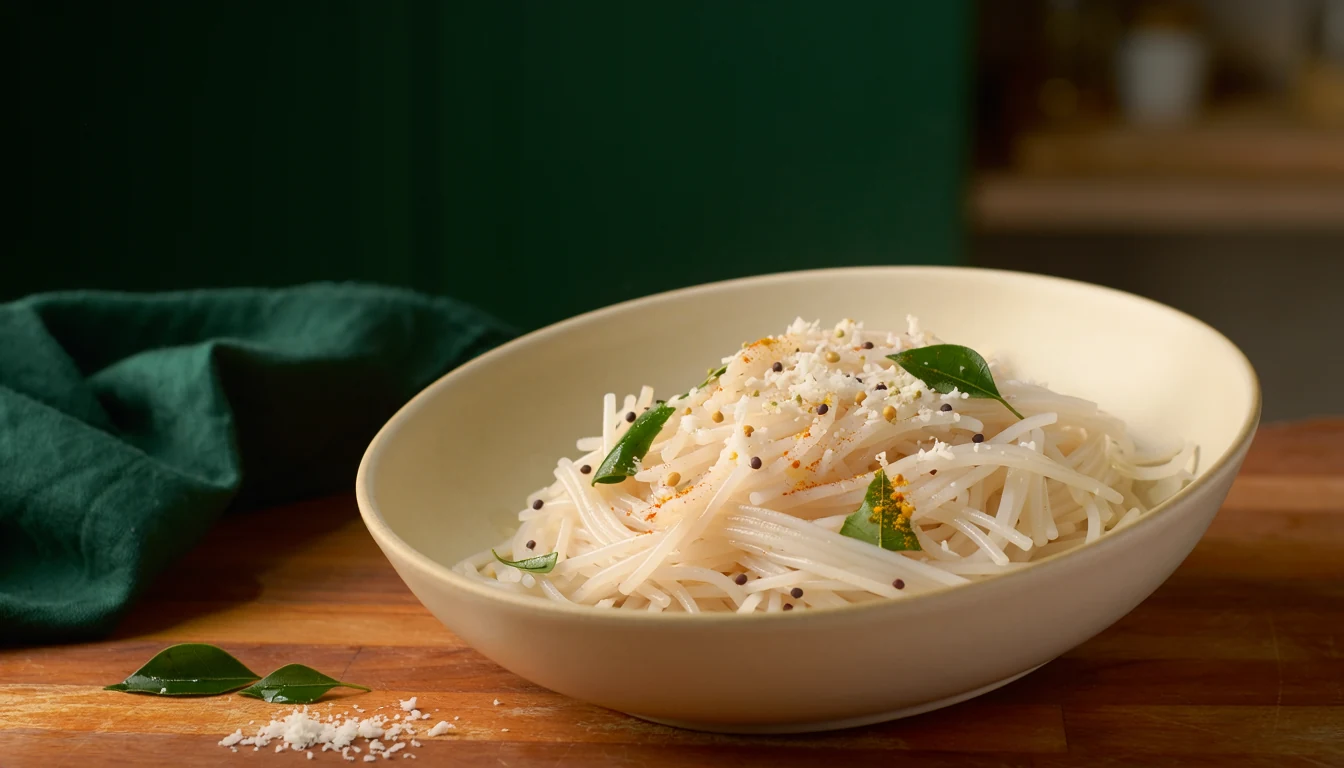
Rice sevai makes a quick dinner when you want something light in texture but properly seasoned. Fresh coconut gives it a soft bite, curry leaves bring aroma, and a little Tamil Podi finishes the pan.
The important part happens before the seasoning: cook the sevai according to its packet and drain it well. Different rice noodle products need different treatment. A guessed soaking time can leave you with either hard strands or a soft tangle.
Ingredients for 2 servings
Prep: 10 minutes. Cooking: about 15 minutes, depending on the rice sevai used.
- 150 g dried rice sevai or rice vermicelli intended for this type of preparation
- 2 teaspoons oil
- ½ teaspoon mustard seeds
- 1 teaspoon urad dal
- 8 curry leaves, washed and dried
- 1 small onion, thinly sliced
- ½ teaspoon grated ginger
- ⅓ cup freshly grated coconut, about 30 g
- 2 teaspoons Rapidli Tamil Podi to start
- 1 to 2 teaspoons lemon juice, optional
- Salt only if needed
Choose plain rice sevai, not roasted wheat vermicelli. Some products need boiling, while others need soaking or steaming. The packet instructions take priority for that step.
Cook and drain the sevai first
- Prepare the rice sevai according to its instructions. Stop when the strands are tender but still hold their shape.
- Drain thoroughly. If the pack calls for rinsing, do that, then drain again. Don’t leave the strands sitting in a bowl of water.
- Spread loosely on a wide plate for a few minutes while you start the seasoning. Use forks to separate a few clumps gently. Don’t pull at the noodles until they break.
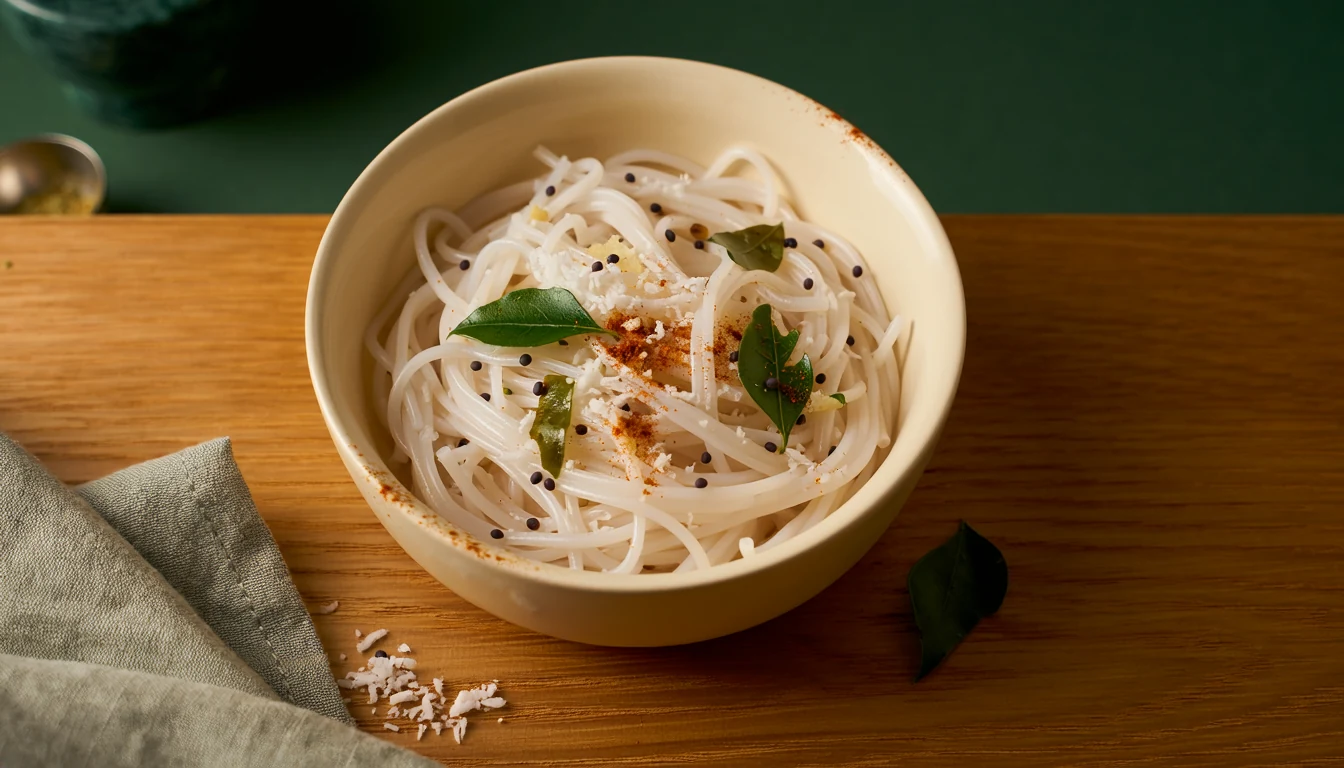
Make the coconut seasoning
- Heat the oil in a wide pan over medium-low heat. Add mustard seeds. When they begin to pop, add urad dal.
- Stir for 1 to 2 minutes until the dal turns evenly golden. Keep an eye on it: dark brown dal tastes bitter. Carefully add the dry curry leaves.
- Add onion and ginger. Cook for 4 to 5 minutes until softened, without adding water.
- Add the coconut and stir over low heat for about 1 minute. It should warm through without turning into a dark toasted mixture.
Toss gently and finish with podi
- Add the drained sevai. Lift and fold with two spatulas or forks over low heat until the coconut and onion are spread through the strands and everything is hot.
- Turn off the heat. Sprinkle the Tamil Podi evenly over the noodles and fold gently again. Don’t drop all the powder into one wet patch.
- Taste a cooked spoonful before adding salt or extra podi. Add optional lemon juice a little at a time. Serve straight away.
If the strands stick together
Check whether they were overcooked or still very wet when they entered the pan. Extra oil won’t reliably fix either problem. Next time, watch the packet cooking time closely and give draining a little longer.
If the noodles are firm rather than sticky, they may need more cooking. Add a tablespoon of hot water, cover briefly over low heat, then check again before seasoning further.
Make it a meal
Plain curd on the side is an easy pairing. For a more filling plate, add a serving of cooked beans or eggs separately rather than crowding everything into the pan.
If you enjoy this finishing method, our podi poha recipe uses a similar measured approach. Read how to use podi for other everyday ideas.
Check the noodle and podi labels for ingredients and allergens. Rice noodles alone don’t make the whole recipe certified gluten-free.

Related posts
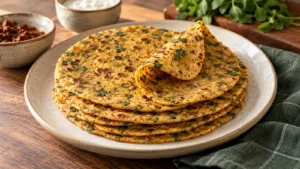
Mix podi into fresh methi thepla dough for a savoury flatbread. Follow the dough, rolling and pan tips to keep each thepla soft.
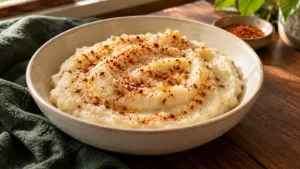
Make a podi variation on Gujarati khichu with cooked rice flour, cumin and a Tamil Podi finish. Learn how to keep it soft and avoid...more
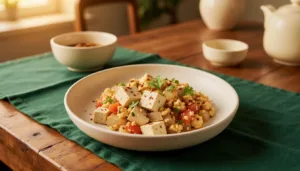
Make a tofu scramble with Karnataka Podi, onion and tomato. Drain firm tofu and reduce the tomato first so the crumbles keep their texture.
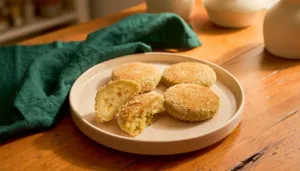
Make raw banana cutlets with Tamil Podi and a light breadcrumb crust. Cool the cooked banana before mashing and fry a tester before shaping the...more
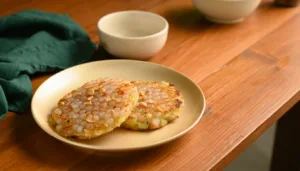
Make small sabudana thalipeeth with potato, peanuts and Tamil Podi. Drain the pearls well and shape gently for pancakes that hold together.