


No products in the cart.
Return To Shop
You add one more spoon of masala. Then the gravy tastes loud, bitter or strangely dusty.
The instinct is to pour in water. That makes more curry, but it rarely restores balance.
First work out what “too much masala” actually means. Excess chilli heat, bitterness, salt and overpowering spice need different fixes.
If the dish is too hot from chilli
Chilli heat won’t disappear, but you can spread and soften it.
Add more of the unsalted base if you have it. For a curry, that may mean cooked onion-tomato paste, plain cooked vegetables, coconut milk or more of the main ingredient.
Curd or cream can soften the perception of heat in suitable dishes. Lower the flame before adding curd and whisk it well to reduce the chance of splitting.
A little fat can round the chilli, but adding a large amount of oil won’t magically remove it.

If the masala tastes bitter
Bitterness may come from burnt spices, too much fenugreek, heavy roasting or an excessive amount of a strong spice.
If the bottom of the pan has burnt, move the unburnt curry into a clean pan without scraping the black layer. Our guide to stopping masala from burning explains how to catch the problem earlier.
For mild bitterness, more base and a little fat may help. A tiny amount of sweetness can soften an edge, but adding sugar by the spoonful usually creates a second problem.
If the flavour is dusty or crowded
Ground spices need moisture, fat and cooking time. If too much powder was added late, it may sit on top of the dish rather than blending into it.
Add a small amount of hot water or unsalted base, then simmer gently. Give the spices time to hydrate and cook.
Don’t keep adding tomatoes, curd, sugar and cream all at once. Make one adjustment, simmer and taste again.
If the dish is too salty
Salt needs dilution with unsalted ingredients. Add more gravy base, vegetables, pulses, meat or another component that belongs in the recipe.
A potato can absorb seasoned liquid, but it doesn’t selectively pull out salt and leave every other flavour behind.
Acidity may make a salty dish feel brighter, yet the salt is still there. Use lime or tomato only if they suit the recipe.
Why plain water often disappoints
Water lowers every flavour and thins the texture. You may end up with a larger pot that tastes both spicy and weak.
An unsalted onion-tomato base, cooked dal, coconut milk or plain curd adds volume with structure. Choose the fix that belongs naturally in the dish.
Change the way you serve it
If the curry is only slightly too intense, pair it with plain rice, roti, curd or a simply cooked vegetable.
This doesn’t repair the pot, but it can balance each mouthful without altering a dish that is close to good.
For a dry preparation, turn a small amount into a filling for a wrap or sandwich with unseasoned ingredients.
How to avoid the problem next time
Start with less masala than you think you need, especially when using a new blend. Add more after the base has cooked and you’ve tasted it.
Check whether the blend already contains salt or chilli. Our guide to reading a spice blend’s ingredient list helps you spot that before cooking.
Measure rather than shaking directly over the pan. One enthusiastic tip of the packet can undo twenty minutes of careful cooking.
The short answer
Identify the problem before choosing the rescue. Use more unsalted base for excess masala or salt, suitable dairy or coconut for chilli heat, and gentle simmering for raw spice powder.
Make small corrections. A calm spoon usually fixes more than a desperate jug of water.


Related posts
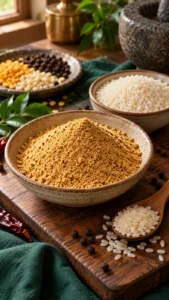
Rice in podi can shape its texture and toasted flavour. Learn why some recipes use it, with Rapidli Kerala Podi as a clear ingredient-list example.
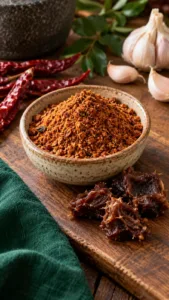
Tamarind adds a sour note to Andhra Podi. Learn how it works with chilli and garlic, and why a dry blend behaves differently from a...more
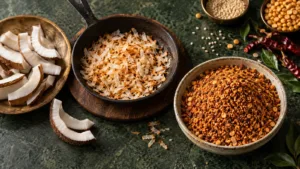
Dry coconut gives podi a rounder flavour and fuller mouthfeel. Here’s how roasting, natural fat and moisture control change the final spoonful.
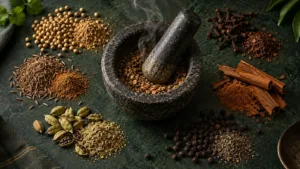
Grinding spices releases their aroma quickly, but it also exposes them to air. Here’s why ground spices smell stronger at first and fade sooner.

Fried onions do far more than add sweetness to biryani. They shape its aroma, colour, texture and the way the layers come together during dum.