


No products in the cart.
Return To Shop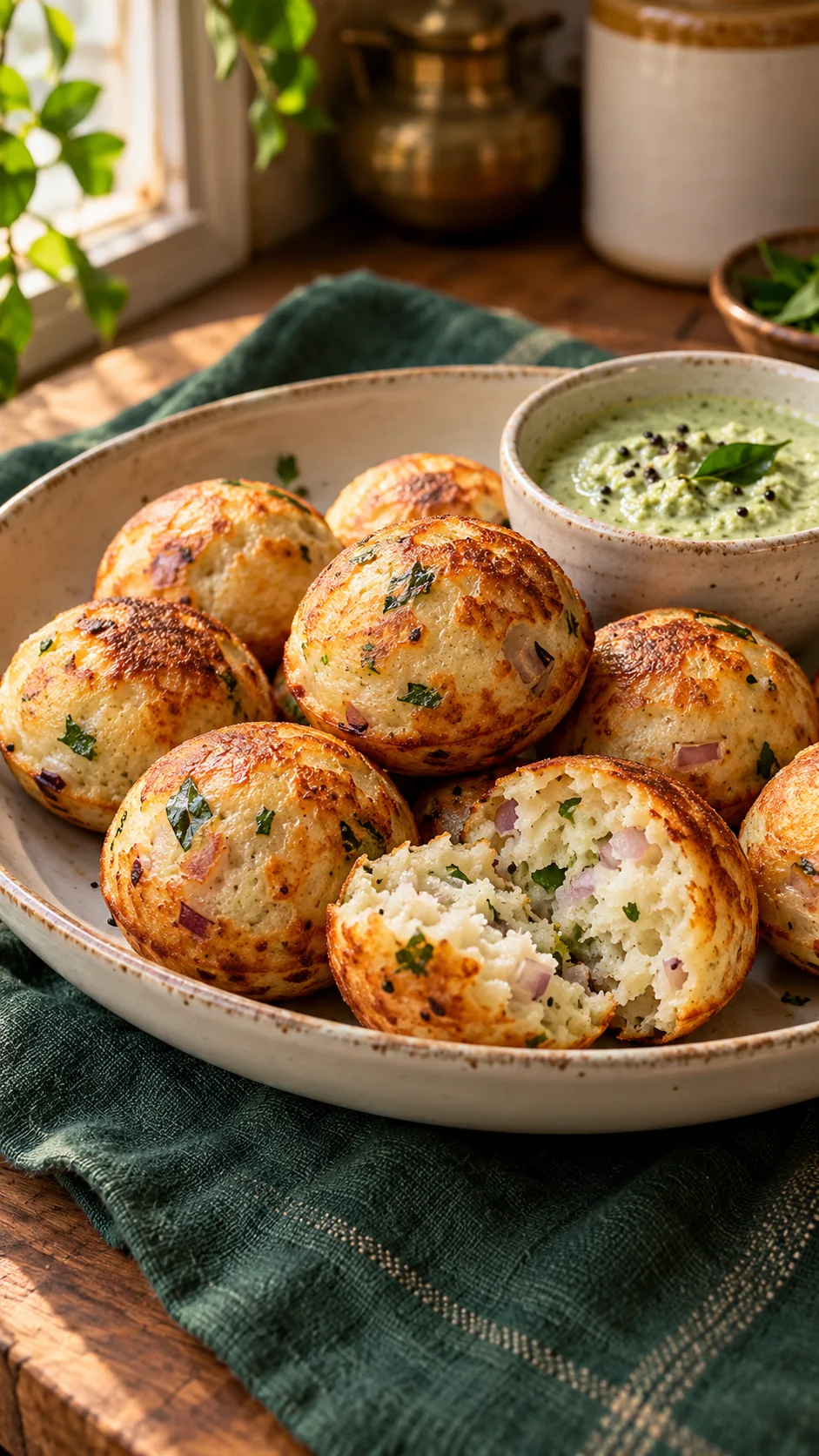
That bowl of dosa batter in the fridge has another good meal in it. Add podi and a little onion, bring out the appe pan, and you’ve got a warm snack with a crisp shell.
Mixing the podi into the batter spreads the flavour through each paniyaram. The outside browns in the pan, while the centre stays soft. It’s a handy change from another round of dosas.
The recipe at a glance
Makes roughly 18 to 24 small paniyaram, depending on the pan. Prep: 10 minutes. Cook: about 20 minutes in batches.
What you’ll need
- 2 cups fermented idli or dosa batter, about 480 ml
- 1 tbsp Rapidli Karnataka Podi
- 1 small onion, finely chopped, about ¼ cup
- 6 curry leaves, finely chopped
- 2 tbsp chopped coriander, optional
- 2 to 3 tsp oil, divided between batches
- Water only if the batter needs thinning
- Salt only if needed
Use batter that’s been kept chilled and is still within its normal use-by period. Don’t use it if it has mould, an unusual colour or a smell beyond its usual fermented tang.
Get the batter right first
Stir the podi, onion and curry leaves into the batter. Let it stand for 5 minutes so the dry seasoning can take up some moisture.
The mixture should fall from a spoon in a thick ribbon. Thin dosa batter can make flat paniyaram that are hard to turn. If yours is very runny, stir in 1 tablespoon of rice flour, rest for 5 minutes and check again. Add another tablespoon only if needed.
If the batter is too stiff to drop into the cups, add water a teaspoon at a time. Start small. You can loosen it easily, but fixing a bowl of watery batter takes more work.
The batter may already be salted, and the podi contains salt too. Cook one small test paniyaram before adjusting the rest.
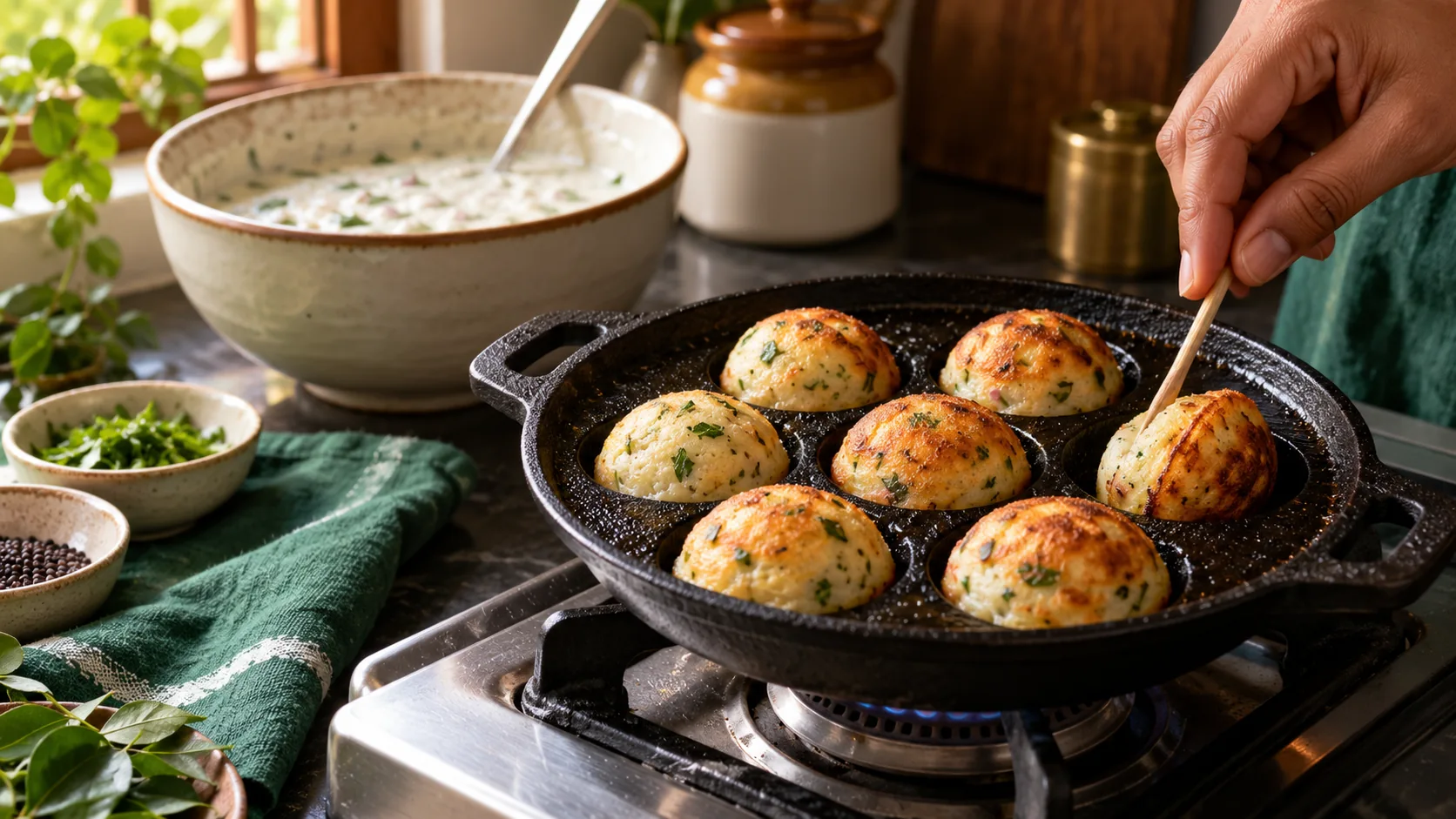
How to cook podi paniyaram
- Heat the appe pan over medium-low heat. Add a few drops of oil to each cavity.
- Spoon batter into each cup until it’s about three-quarters full. Leave space for the mixture to rise.
- Cover and cook for about 3 to 4 minutes, until the edges look set and the underside is golden. Reduce the heat if it browns before the top begins to set.
- Loosen each piece gently with a paniyaram pick or small spoon, then turn it over.
- Cook the other side for another 2 to 3 minutes. Cut open the first one to check that the centre is cooked and fluffy, with no wet batter.
- Move the finished batch to a plate and repeat. Adjust the heat between batches because a heavy pan keeps getting hotter.
A golden shell needs steady heat
High heat can give you a dark outside around a raw middle. Keep the flame moderate and let the covered pan do its job. If you need to choose, a slightly longer cook is better than a scorched shell.
Don’t force a turn while the bottom is pale and sticky. Once the crust has set, it should lift with much less effort.
How much podi is enough?
A tablespoon gives this batch a gentle roasted flavour. Different podis have different heat levels, so begin there and use your test piece to judge it. You can serve extra podi on the side.
Our podi serving guide is useful when you’re adjusting seasoning for the people at your table.
Serve them while they’re crisp
Paniyaram are best straight from the pan. Try them with a small batch of tomato chutney, or plain curd if you want a quieter side.
For leftovers, cool and refrigerate promptly in a covered box. Reheat in a lightly oiled pan until hot through. A microwave warms them too, but the shell will be softer.


Related posts
Mix podi into fresh methi thepla dough for a savoury flatbread. Follow the dough, rolling and pan tips to keep each thepla soft.
Make a podi variation on Gujarati khichu with cooked rice flour, cumin and a Tamil Podi finish. Learn how to keep it soft and avoid...more
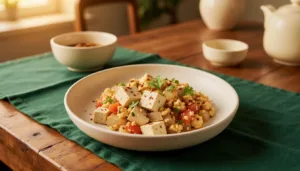
Make a tofu scramble with Karnataka Podi, onion and tomato. Drain firm tofu and reduce the tomato first so the crumbles keep their texture.
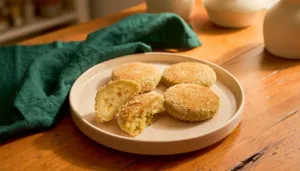
Make raw banana cutlets with Tamil Podi and a light breadcrumb crust. Cool the cooked banana before mashing and fry a tester before shaping the...more
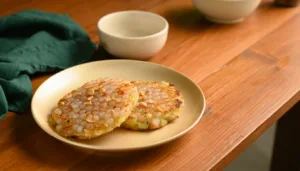
Make small sabudana thalipeeth with potato, peanuts and Tamil Podi. Drain the pearls well and shape gently for pancakes that hold together.