


No products in the cart.
Return To Shop
Hing rarely gets top billing in a podi recipe. It still makes a noticeable difference.
Used carefully, it adds a deep savoury aroma that helps roasted dal, chilli and other spices feel more connected. Use too much and the whole blend can smell like the hing jar.
What is hing?
Hing is the common Indian name for asafoetida. It comes from the dried gum of plants in the Ferula family and has a famously strong smell before cooking.
Most home kitchens use compounded hing powder, where asafoetida is mixed with ingredients such as flour or starch to make it easier to measure and use.
Check the label if you avoid wheat or have any food allergy. Different brands can use different carriers.
Why add hing to podi?
A tiny amount can add a savoury note that sits underneath the louder flavours. You may not point at the podi and say, “That’s hing.” You may simply feel that the blend tastes fuller.
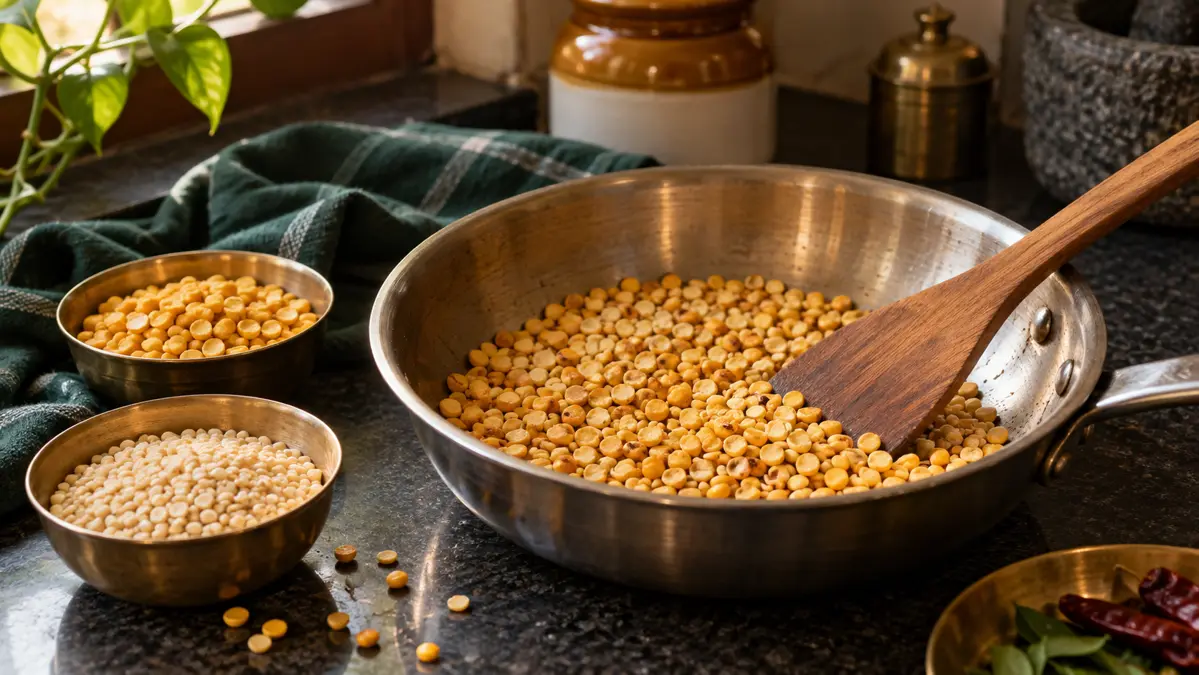
It works especially well with roasted lentils. Dal brings nuttiness and body, while hing adds a sharp aroma that becomes warmer and rounder after heating.
Chilli brings colour and heat. Curry leaves bring their own roasted perfume. Hing fills some of the space between them.
Why does such a small amount matter?
Hing is powerful. Think of it like clove in a spice mix. A little can deepen the blend, but a heavy hand can cover everything else.
That’s why recipes often measure it in pinches or small fractions of a teaspoon.
The exact amount depends on the strength of the hing, the batch size and the other ingredients. There isn’t one magic number for every podi.
Does roasting change hing?
Yes. Raw hing can smell harsh and sulphurous. Brief contact with warm oil or a hot pan softens that edge and brings out a more savoury aroma.
But it burns fast.
If you’re making podi at home, add hing carefully and follow the recipe’s order. Tossing it into a very hot empty pan and walking away for even a moment can leave a bitter smell.
Can you leave it out?
You can, especially if you don’t like the aroma or need to avoid a carrier ingredient in a compounded powder.
The podi will still work, but it may taste a little different. Don’t try to replace hing by adding more chilli or salt. Those ingredients do different jobs.
If you’re comparing two podis, hing may be one reason their aromas feel different even when the main ingredients look similar.
How hing works with everyday food
Hing becomes easier to notice when podi meets warm fat. Mix podi with sesame oil or ghee, then smell it before taking a bite.
On hot rice, the aroma opens up quickly. On a cool curd dip, it stays quieter but adds a savoury edge.
Texture matters too. A coarse or fine podi releases aroma differently as you chew and mix it with food.
The short answer
Hing isn’t there to make podi taste strongly of hing. It’s there to support the roasted, savoury side of the blend.
A balanced podi lets you notice the whole flavour, not one spice shouting from the bowl.
If you enjoy learning what each ingredient does, see how sesame changes podi’s flavour and texture and why dal is roasted before grinding.

Related posts
Rice in podi can shape its texture and toasted flavour. Learn why some recipes use it, with Rapidli Kerala Podi as a clear ingredient-list example.
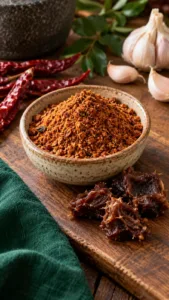
Tamarind adds a sour note to Andhra Podi. Learn how it works with chilli and garlic, and why a dry blend behaves differently from a...more
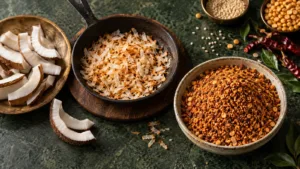
Dry coconut gives podi a rounder flavour and fuller mouthfeel. Here’s how roasting, natural fat and moisture control change the final spoonful.
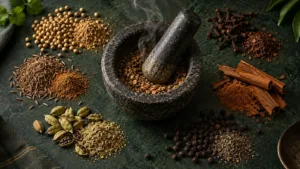
Grinding spices releases their aroma quickly, but it also exposes them to air. Here’s why ground spices smell stronger at first and fade sooner.
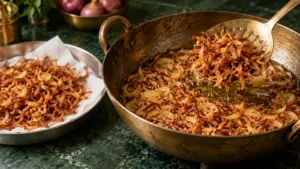
Fried onions do far more than add sweetness to biryani. They shape its aroma, colour, texture and the way the layers come together during dum.