


No products in the cart.
Return To Shop
This podi omelette recipe turns eggs and a roti into a breakfast you can hold in one hand. A little Karnataka Podi brings roasted flavour, while onion and coriander keep the filling lively.
Mix the podi into the eggs before cooking. That spreads the seasoning through the omelette and keeps a loose layer of powder away from the hot pan.
Recipe at a glance
Makes: 2 rolls
Prep: 5 minutes with ready-made rotis
Cooking: roughly 8 to 10 minutes
Ingredients
- 4 eggs
- 2 medium cooked whole-wheat rotis
- 2 tablespoons finely chopped onion
- 1 tablespoon chopped coriander
- 1½ teaspoons Rapidli Karnataka Podi
- 2 teaspoons oil, divided
- Salt only if needed after tasting the cooked omelette
How to make a podi omelette roll

- Warm the rotis. Heat each roti briefly in a dry pan until flexible. Set aside on a clean plate and cover loosely.
- Mix the eggs. Crack the eggs into a bowl. Add onion, coriander and podi. Beat with a fork until combined. Don’t taste the raw mixture.
- Cook the first omelette. Heat 1 teaspoon oil in a small nonstick pan over medium-low heat. Pour in half the egg mixture. Tilt the pan to spread it evenly.
- Let it set. Cook gently until the base holds together, then turn carefully. Cook the other side until the egg is fully set, with no wet or runny centre. Lower the heat if it browns too fast.
- Roll it up. Put the cooked omelette on a warm roti. Taste a small cooked piece before adding any salt. Roll the roti snugly around the filling.
- Repeat. Use the remaining oil and egg mixture for the second omelette. Serve the rolls straight away, or follow the packing advice below.
Keep the flame gentle
You don’t need a fierce sear here. A low, steady heat gives the egg time to cook through while the onion softens.
If the pan is smoking, remove it from the heat and let it cool slightly. A dark crust around a wet centre is a sign to slow down.
Our guide to adding podi to hot food covers the same principle in other dishes.
A roti that bends makes a better roll
A cold, dry roti may crack when you roll it. Warm it briefly, and use a freshly cooked one if you can.
Keep the onion finely chopped and the filling modest. A thick pile of filling makes the roll harder to close and eat.
Carrying it for later?
Cool the rolls briefly, then refrigerate promptly. Pack chilled rolls in an insulated bag with an ice pack if they’ll be eaten later. Keep them cold until lunch.
The FDA’s egg guidance says cooked egg dishes shouldn’t stay unrefrigerated for more than two hours, or one hour above 32°C.
For an even simpler egg snack, try podi on boiled eggs. This roll is the option for mornings when you also want a roti around it.


Related posts

Make podi aloo samosas with a simple potato filling and crisp pastry. Includes dough, shaping, sealing and frying tips, with salt checked after podi.

Make podi aloo paratha with a simple potato filling. Learn how to season with podi, check salt and roll stuffed parathas without tearing the dough.

Cook eggs in a thick podi tomato sauce for an easy one-pan breakfast. Includes measured ingredients, sauce tips and clear cues for fully cooked eggs.
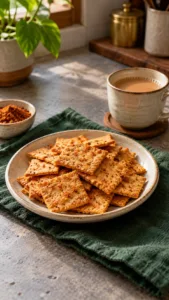
Bake thin atta crackers with podi for a savoury tea-time snack. This easy recipe covers dough texture, even rolling, baking and cooling for crunch.

Try a podi dhokla recipe made with semolina and curd. Learn when to add fruit salt, how thick the batter should be and when the...more