


No products in the cart.
Return To Shop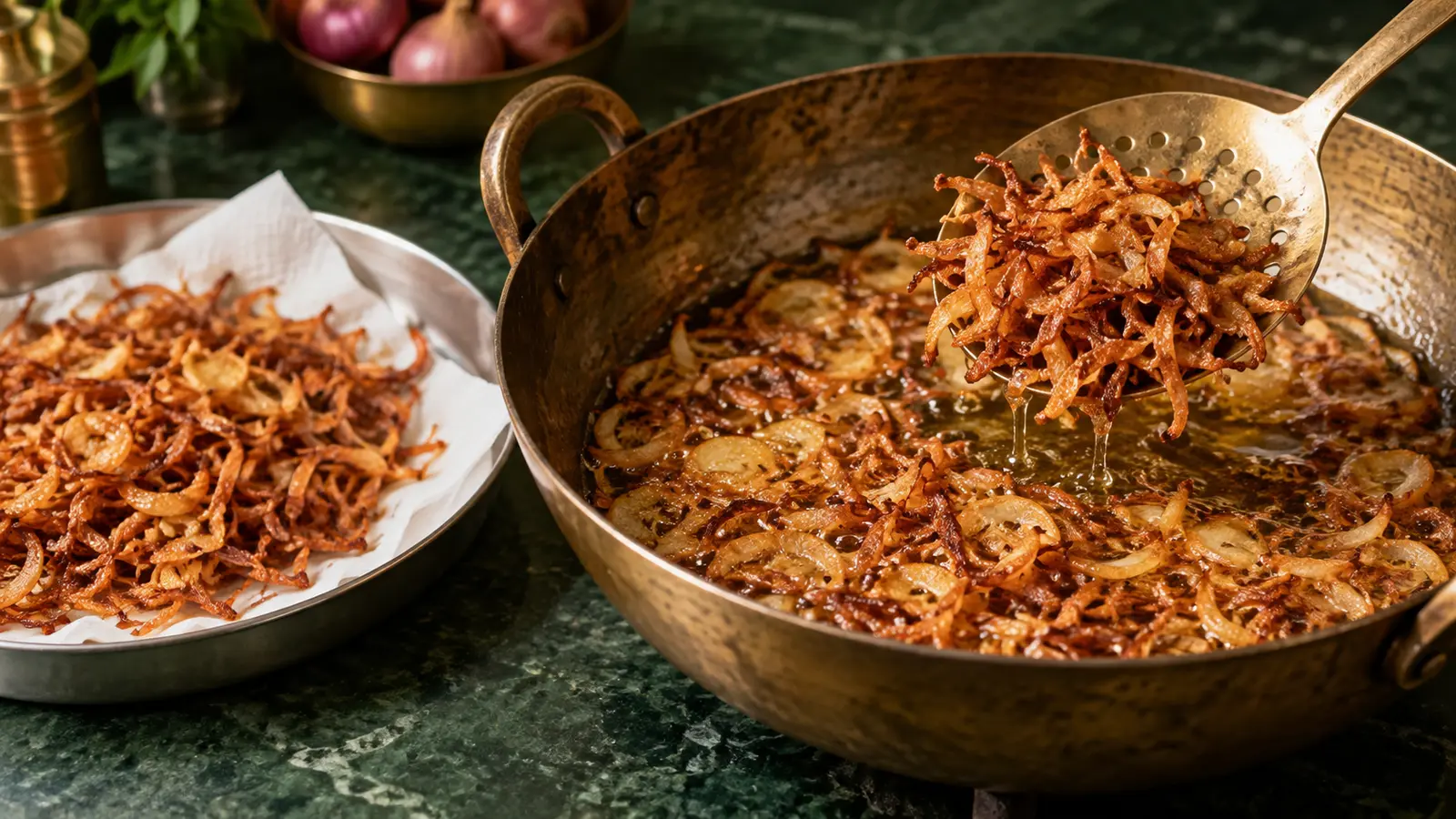
Fried onions look like a garnish. In biryani, they’re doing much more serious work.
Known as birista or barista, these thin, crisp onions add sweetness, colour and a deep cooked aroma. They can thicken a marinade, season the rice and help the layers feel connected rather than separate.
That’s a lot of responsibility for something people often scatter on top at the last minute.
Frying changes the onion completely
Raw onion is sharp, juicy and slightly hot. As it fries, water escapes and the onion begins to brown. Its harsh edge fades while sweeter, toasted flavours develop.
The result is more concentrated than softened onions cooked in a gravy. Birista has less moisture, a deeper aroma and a crisp texture before it enters the biryani.
Once layered into the pot, some pieces soften in the steam. Others near the top may keep a little crunch.
It brings sweetness without tasting sugary
Biryani needs balance. Chilli, pepper, whole spices, curd and meat can create plenty of intensity. Fried onion rounds out those flavours with gentle sweetness.
That sweetness shouldn’t make the dish taste like dessert. Properly fried onions taste savoury and caramel-like, with a faint bitterness at the edges.
If the onions are taken too dark, that faint bitterness becomes the main flavour. Dum cooking won’t fix it.
Birista affects the marinade
Crushed fried onions are often mixed into a meat marinade. They absorb some moisture and help create a thicker coating around the chicken or mutton.
As the biryani cooks, they soften and become part of the masala. This gives the gravy body without leaving obvious chunks of onion.
The amount matters. Too little may disappear. Too much can make the base heavy, sweet or oily.

It perfumes the rice between the layers
Biryani is built in layers, so flavour needs to travel through the pot. A scattering of birista between rice and meat places its aroma in more than one spot.
Steam carries that aroma upwards during dum. The rice picks up warm onion notes along with the spices, herbs and fat around it.
This is one reason birista added between the layers works differently from onions served only on top.
The frying oil carries flavour too
Oil used for frying onions picks up their aroma. Some cooks use a little of that oil in the marinade or while layering the biryani.
It can add depth, but it should be used carefully. Burnt onion crumbs make the oil bitter. Strain it before using it again, and don’t treat every leftover spoonful as precious.
How to know when birista is ready
Slice the onions evenly so they cook at roughly the same speed. Thin pieces crisp more easily, but paper-thin ends can burn before thicker centres are done.
Fry in batches if the pan feels crowded. Too many onions lower the oil temperature and steam each other, which makes even browning harder.
Remove them when they are golden brown, not dark brown. They continue to deepen in colour after leaving the oil.
Spread them out rather than piling them in a hot mound. As they cool, they become crisper.
Can you skip fried onions?
You can make biryani without birista, especially if the regional style or family recipe doesn’t call for it. The result won’t automatically be wrong.
But if a recipe is designed around fried onions, replacing them with raw or lightly sautéed onion changes the moisture, sweetness and texture of the masala. It isn’t a straight swap.
The masala still needs to match the biryani
Birista works with the spice blend and cooking method. It doesn’t replace either one.
A delicate biryani may need a lighter hand, while a bold dum biryani can carry more fried onion. Our guide to why biryani masala varies by style explains why the rest of the pot changes what the blend must do.
You can also compare two distinct approaches in Awadhi versus Hyderabadi biryani masala.
The short answer
Fried onions bring controlled sweetness, toasted aroma, colour and body to biryani. They help bind a marinade and carry flavour through the rice layers.
They may look like a finishing touch. In many biryanis, they’re part of the foundation.
Related posts
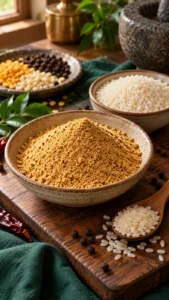
Rice in podi can shape its texture and toasted flavour. Learn why some recipes use it, with Rapidli Kerala Podi as a clear ingredient-list example.
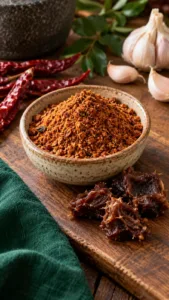
Tamarind adds a sour note to Andhra Podi. Learn how it works with chilli and garlic, and why a dry blend behaves differently from a...more
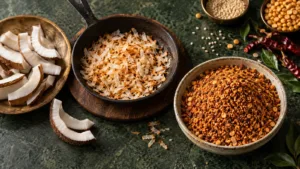
Dry coconut gives podi a rounder flavour and fuller mouthfeel. Here’s how roasting, natural fat and moisture control change the final spoonful.
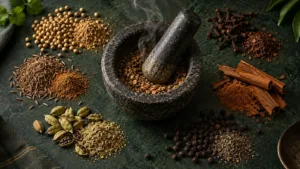
Grinding spices releases their aroma quickly, but it also exposes them to air. Here’s why ground spices smell stronger at first and fade sooner.
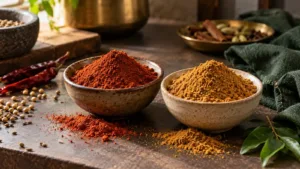
A darker masala isn’t automatically stronger, hotter or better. Roasting, chilli choice and ingredient proportions can all change colour differently.