


No products in the cart.
Return To Shop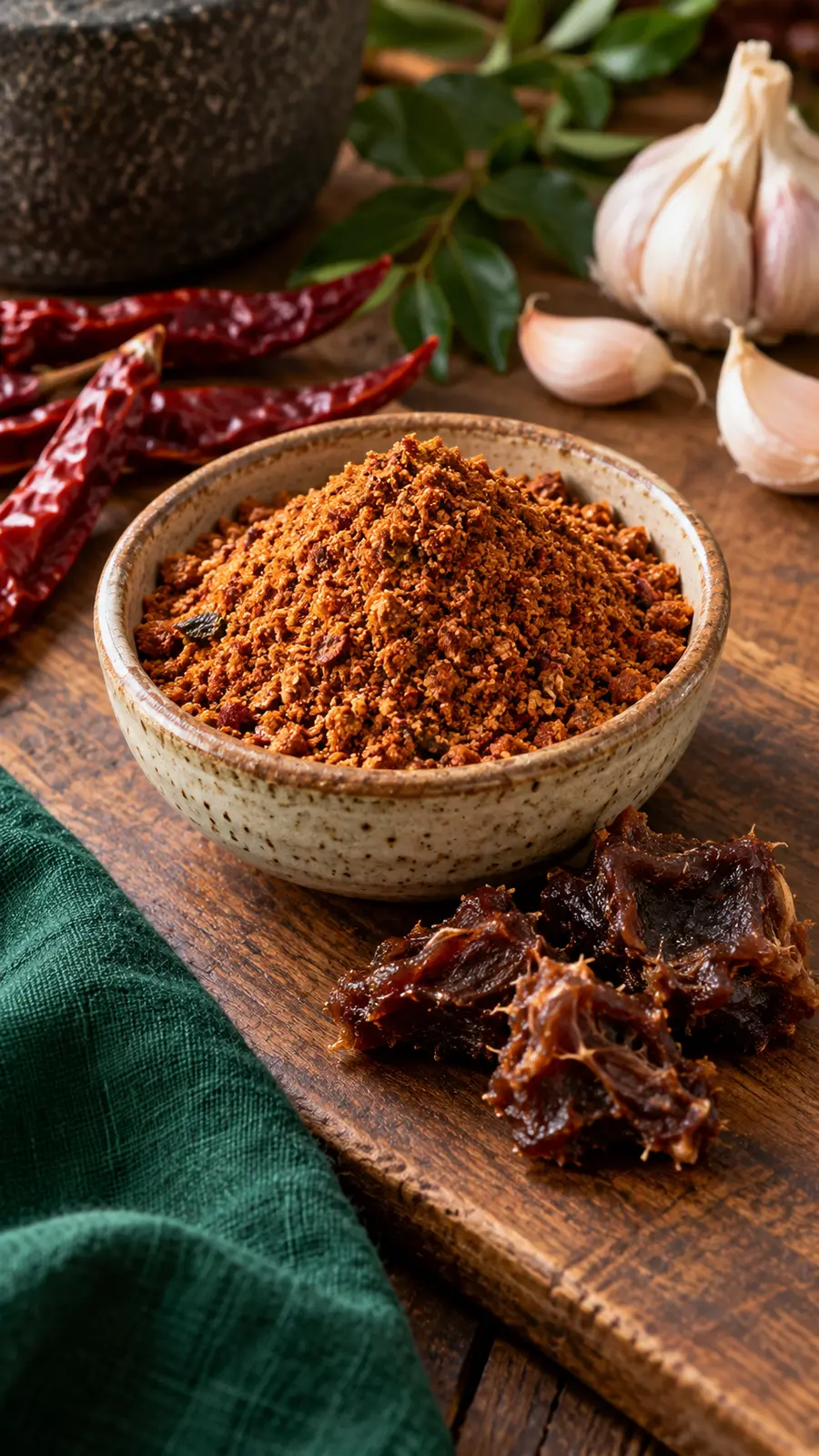
Tamarind in podi brings a sour note that chilli alone can’t give you. In Andhra Podi, it sits beside roasted dal, garlic and spices, adding another layer to the heat.
You don’t need the blend to taste sharply sour. A little tang can make a spoonful feel more rounded, especially beside plain rice or a mild meal.
What does tamarind taste like in a dry blend?
Tamarind has a sour, fruity flavour. Its strength varies with the fruit and how it’s prepared. In a balanced podi, that sourness should support the other ingredients.
Think about a plain bowl of rice. Chilli gives it heat. Roasted dal gives it body. Tamarind adds a tang that makes the next bite interesting.
That doesn’t mean every Andhra-style podi needs the same amount. Family recipes differ, and some blends use different sour ingredients or leave them out.
How it works in Rapidli Andhra Podi
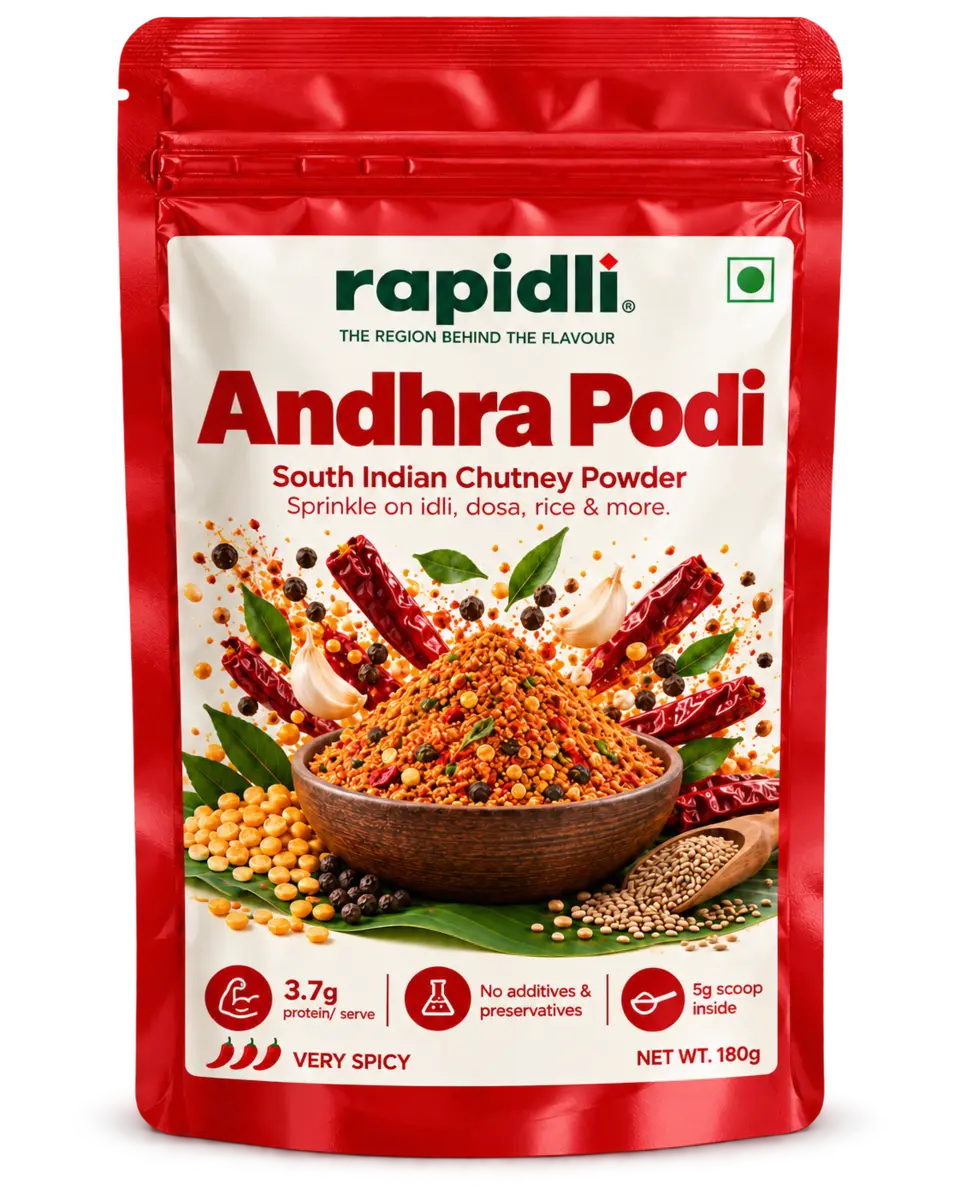
The ingredient list for Rapidli Andhra Podi includes tamarind alongside urad dal, Guntur chillies, garlic, coriander and other spices.
Tamarind adds sourness to that mix. Garlic brings a savoury edge, while the roasted dal gives the powder more substance. The result depends on the balance of the whole recipe.
If you’re curious about the chilli side, our guide to Byadgi and Guntur chillies explains why heat and colour aren’t the same thing.
Dry tamarind and lemon do different jobs
Tamarind prepared for a dry blend spreads through the powder. You get its flavour as you mix the podi into the food.
Lemon juice goes onto the finished dish as a liquid. It adds a fresh sour note and extra moisture. That can work well on a salad, but it also changes how a dry seasoning clings.
Neither is a direct swap for the other. A lemon squeeze won’t give you exactly the same flavour as tamarind, and adding more podi also adds chilli, salt and the rest of the blend.
Taste before adding another sour ingredient
If your meal already has curd, lemon or pickle, start with a small amount of Andhra Podi. Taste a bite of the whole meal before adding anything else.
For example, a mild rice bowl may welcome the podi’s tang. A bowl with a sharp lemon dressing may need less. Your plate is the useful test.
Start with a small spoonful and adjust. Our podi serving guide gives you a practical place to begin.
Keep wet pulp out of the pouch
Don’t stir fresh tamarind pulp or juice into a pack of dry podi. The added moisture changes the blend and its storage needs.
If you want extra sourness, add it to the portion you’re about to eat. Keep the rest of the podi dry and follow the pack’s storage instructions.
A small ingredient with a clear purpose
Tamarind gives Andhra Podi another flavour to work with. It’s especially useful when you want heat with a sour edge beside familiar food.
Try it with a meal you already enjoy. Then taste before reaching for the lemon.

Related posts
Rice in podi can shape its texture and toasted flavour. Learn why some recipes use it, with Rapidli Kerala Podi as a clear ingredient-list example.
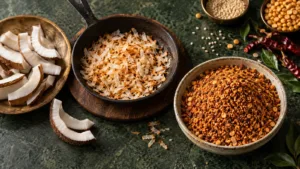
Dry coconut gives podi a rounder flavour and fuller mouthfeel. Here’s how roasting, natural fat and moisture control change the final spoonful.
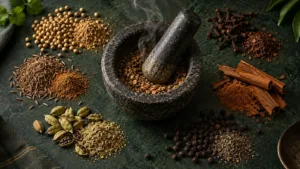
Grinding spices releases their aroma quickly, but it also exposes them to air. Here’s why ground spices smell stronger at first and fade sooner.

Fried onions do far more than add sweetness to biryani. They shape its aroma, colour, texture and the way the layers come together during dum.
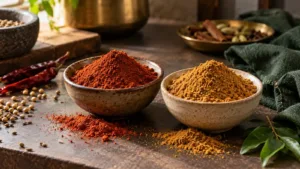
A darker masala isn’t automatically stronger, hotter or better. Roasting, chilli choice and ingredient proportions can all change colour differently.