


No products in the cart.
Return To Shop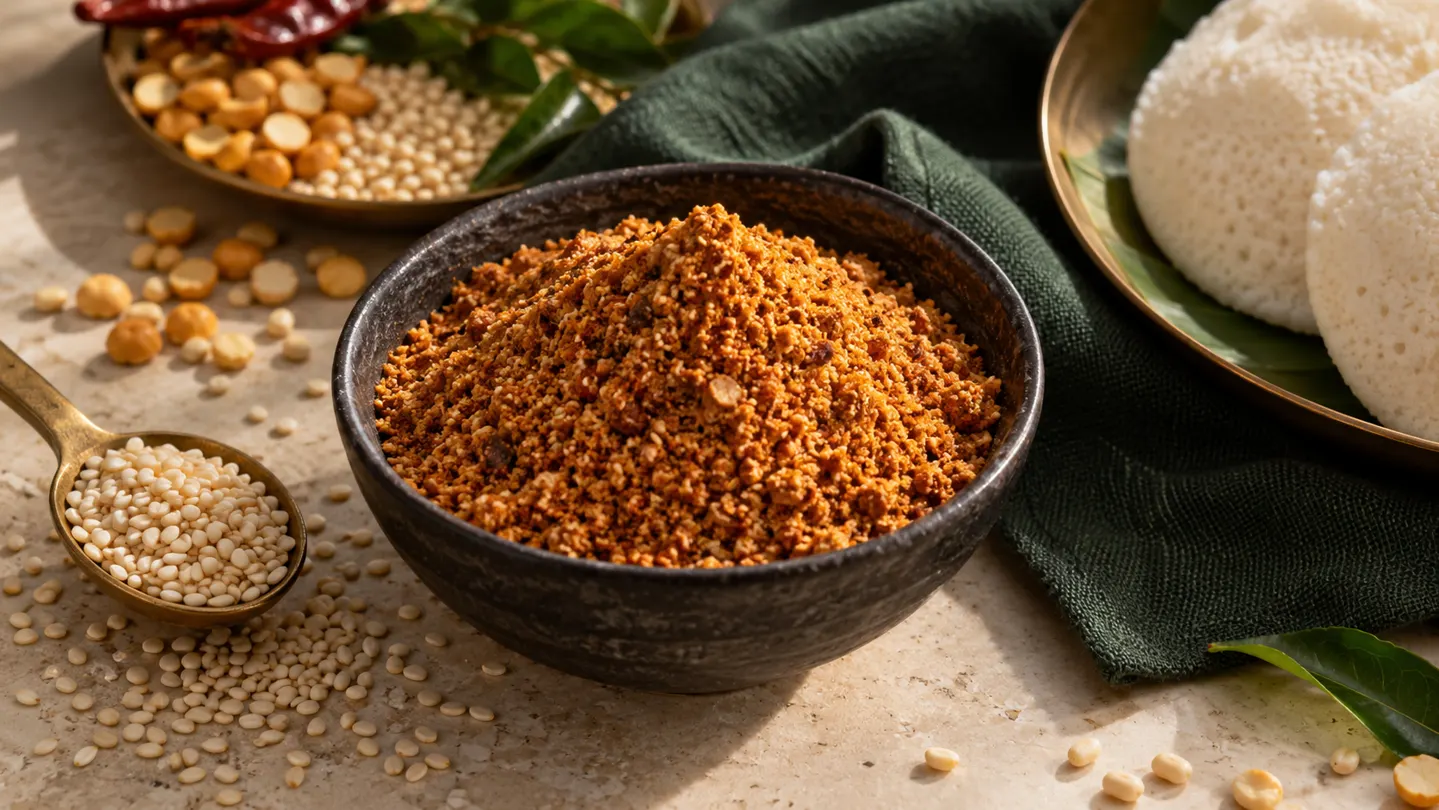
Take a spoonful of podi and you might notice the chilli first. Keep tasting. That rounded, nutty note underneath often comes from sesame.
Sesame seeds in podi bring flavour and help shape its texture. They work alongside roasted dal and spices, giving the blend a character you won’t get from chilli powder alone.
Not every podi includes sesame. Recipes vary between homes and regions, and that’s part of the fun.
What does sesame taste like in podi?
Sesame has a nutty flavour that becomes more noticeable after careful roasting. In a podi, it can sit behind the chilli rather than shout over it.
Think about a bite of warm rice with podi. You get the heat, then the roasted notes. Sesame helps make that second part interesting.
Our Karnataka podi includes sesame alongside lentils, coconut, chillies and other ingredients. Sesame contributes to the finished blend; it doesn’t explain the whole flavour by itself.
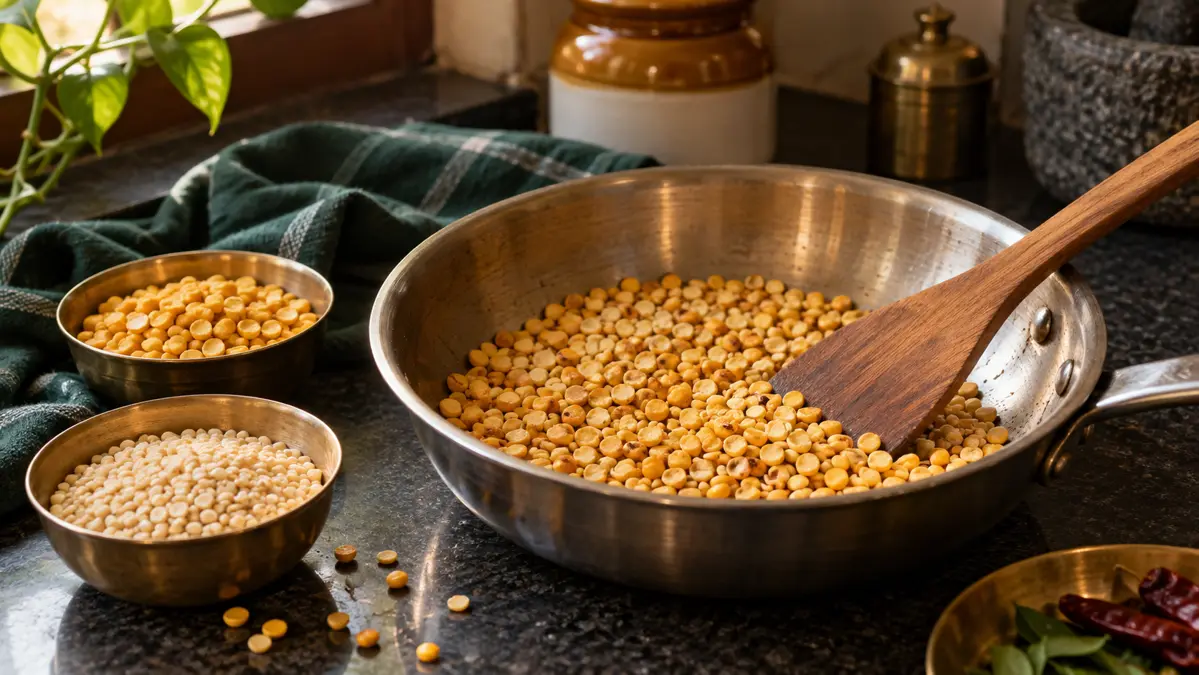
Sesame and dal bring different things
Roasted lentils give many podis their savoury base and crumbly body. Sesame adds its own nutty character and changes the feel of the mixture.
The amounts matter. A small quantity can add a background note, while a sesame-heavy recipe can taste much more seed-led.
That doesn’t make either version better. If you enjoy a stronger nutty flavour, you’ll probably prefer a different balance from someone who wants the chilli to lead.
We’ve covered the lentil side separately in why dal gets roasted before making podi. Here, sesame gets its turn.
Does sesame make podi less spicy?
Sesame can change how the overall blend tastes, but it doesn’t remove the chilli’s heat. A podi with plenty of sesame can still pack a punch.
Chilli variety and quantity both matter. So does how much podi you put on your plate.
If you’re choosing between blends, look at the full recipe or pack information. Don’t use sesame’s presence as a promise of mildness.
For the chilli side of the story, read what Byadgi and Guntur chillies bring to podi.
The grind changes the texture
Whole seeds, a coarse grind and a fine grind don’t feel the same. A coarser podi leaves more noticeable little bits, while a finer one spreads more evenly through a spoonful of rice.
Sesame also contains oil. If you’re making podi at home, prolonged grinding can push a sesame-rich mixture towards a paste.
Let roasted ingredients cool before grinding, and work in short pulses. Stop and check the texture rather than leaving the mixer running while you do something else.
Don’t chase a perfectly smooth powder unless your recipe asks for one. A little texture can be exactly what makes a podi enjoyable.
Roasting deserves a little attention
If you make your own blend, roast sesame carefully and separately when your recipe calls for it. The small seeds can cook faster than larger lentils.
Stir them and watch the pan. A nutty aroma is useful; a burnt smell is your cue to stop.
Don’t assume every seed needs to turn dark brown. Colour varies with the type of sesame, and a burnt batch can leave bitterness through the whole blend.
Try tasting it with a simple meal
You don’t need a special recipe to notice sesame’s contribution. Plain foods give you a clearer sense of the podi than a heavily spiced curry will.
- Mix a little podi into warm rice and taste before adding more.
- Try it with a small piece of idli to notice the texture.
- Stir a little into plain curd to see how the nutty notes come through.
- Compare two blends with the same base food rather than changing the whole meal.
Use our podi serving guide if you’re unsure where to start. Add gradually. You can always put more on the plate.
Check the ingredients before sharing
If you avoid sesame or cook for someone who does, check the actual pack. Podi recipes vary, and the name alone won’t tell you whether a blend includes it.
Sesame seeds and sesame oil are different ingredients, so read the whole list rather than stopping at the first familiar word. Our ingredient-list guide can help.
A small seed with a clear role
Sesame earns its place through flavour and texture. It’s one reason two podis with similar lentils and chillies can still taste quite different.
Next time you open a pouch, try a little with something simple. You might notice more than the heat.
Explore Rapidli’s current podi range and choose the flavour that suits your everyday meals.
Recipe references: Dassana’s idli podi recipe and Raks Kitchen’s idli milagai podi notes, which show how sesame and recipe proportions affect the blend.

Related posts
Rice in podi can shape its texture and toasted flavour. Learn why some recipes use it, with Rapidli Kerala Podi as a clear ingredient-list example.
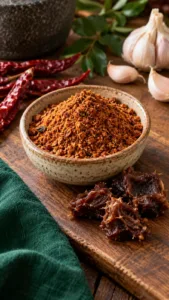
Tamarind adds a sour note to Andhra Podi. Learn how it works with chilli and garlic, and why a dry blend behaves differently from a...more
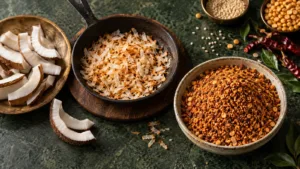
Dry coconut gives podi a rounder flavour and fuller mouthfeel. Here’s how roasting, natural fat and moisture control change the final spoonful.
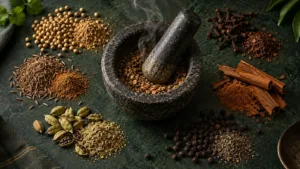
Grinding spices releases their aroma quickly, but it also exposes them to air. Here’s why ground spices smell stronger at first and fade sooner.
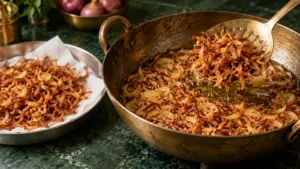
Fried onions do far more than add sweetness to biryani. They shape its aroma, colour, texture and the way the layers come together during dum.