


No products in the cart.
Return To Shop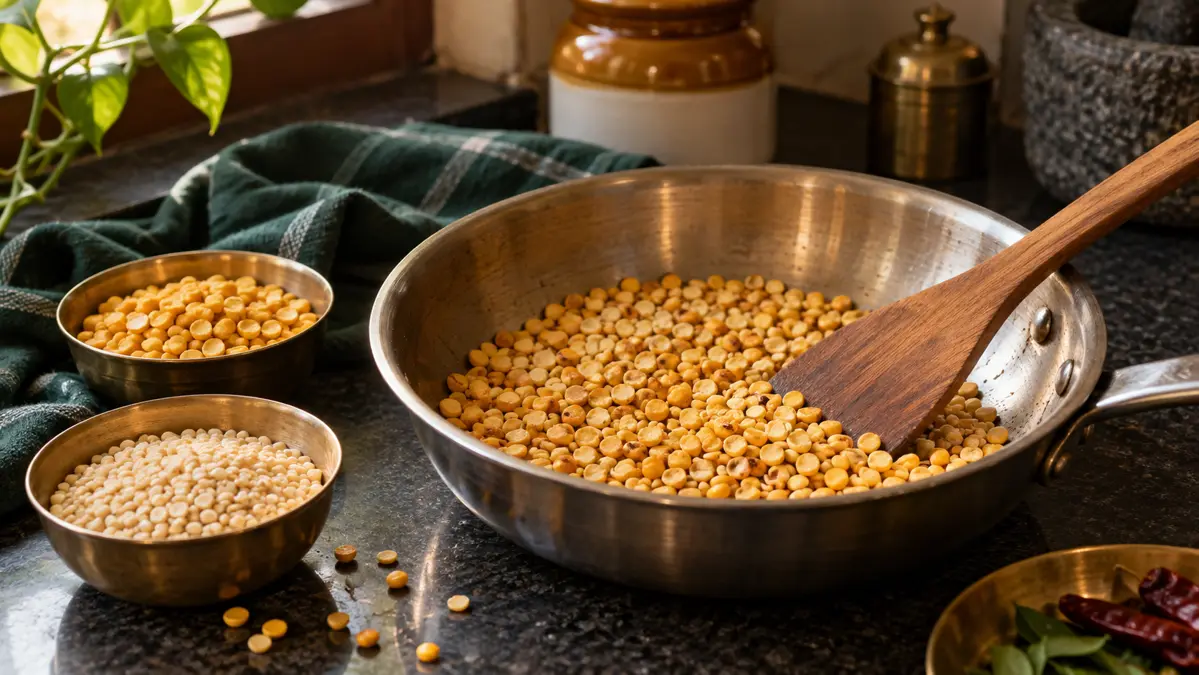
Why roast dal for podi? Because that warm, toasted flavour starts in the pan. Grinding raw dal won’t give you the same result.
If you’ve smelled chana dal as it turns golden, you’ll know the moment. The kitchen starts to smell like something worth eating.
Roasting builds the flavour
Chana dal and urad dal give many podi recipes their base. Roasting helps bring out a toasted, nutty character before the chilli and other ingredients join in.
Think of the difference between a plain slice of bread and toast. That’s a useful kitchen comparison, though dal has its own flavour and needs its own handling.
Each recipe strikes a different balance. Some aim for a gentler roast; others lean into a deeper toasted taste.
It changes the bite, too
Well-roasted, cooled dal has a crisp bite that helps shape the powder’s texture. Your grinder and how long you run it also matter.
A few short pulses can leave a coarser blend. Longer grinding usually gives a finer result. Use the texture your recipe calls for instead of assuming finer always tastes better.
Why turning up the heat can backfire
High heat may colour the outside quickly while giving you less control over the roast. Leave the pan unattended and a few dark bits can turn into a whole burnt patch.
For a home batch, use the heat level in your recipe and stir regularly. A modest batch makes it easier to move the dal around and watch its colour.
- Use a heavy pan if your recipe calls for dry roasting.
- Keep the dal moving so it doesn’t sit on one hot spot.
- Watch the colour and aroma rather than trusting a timer alone.
- Take the pan off the heat if you smell burning.
The exact time depends on the quantity, pan and heat. A five-minute rule from someone else’s kitchen may not work in yours.
Should you roast different dals together?
Roasting them separately gives you more control. Chana dal and urad dal differ in size, so one may reach the colour you want before the other.
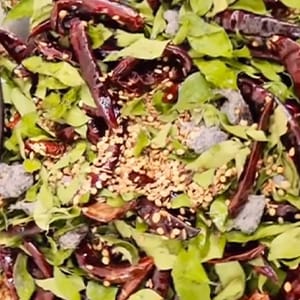
The same goes for seeds, dried chillies and other ingredients. Follow a tested recipe’s order instead of tipping everything into the pan at once.
Our Byadgi and Guntur chilli guide explains another piece of the flavour puzzle. Dal provides the toasted base; chilli choice helps shape the heat and colour.
Let the dal cool before grinding
Spread roasted dal on a clean, dry plate or tray and let it cool. Don’t seal it in a jar while it’s still warm.
Grinding and packing a warm batch can trap heat and moisture. Cooling also gives you a calmer moment to check the roast before you mix the ingredients.
Can roasting rescue a burnt batch?
No. Once the dal tastes burnt, adding more chilli or salt won’t remove that flavour.
If you’ve only just pushed the roast too far, stop and assess it once it cools. If it smells or tastes burnt, start again rather than carrying the bitterness into the whole blend.
Roasting also doesn’t make damp, mouldy or spoiled ingredients fit to use. Start with sound ingredients and a clean, dry workspace.
Does roasting make podi high in protein?
Roasting alone doesn’t justify that claim. The finished recipe and its nutrition information determine how much protein your serving contains.
Dal contributes to the blend, but a spoonful of podi isn’t the same portion as a bowl of cooked dal. Check the label if protein is part of your buying decision.
What to notice next time you eat podi
Try a little with rice or idli and pay attention to the toasted flavour beneath the heat. You’ll start spotting why the roast matters.
Want a starting point? Use our serving guide, then explore the current blends at Rapidli.
Related posts
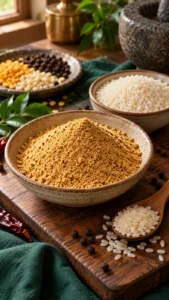
Rice in podi can shape its texture and toasted flavour. Learn why some recipes use it, with Rapidli Kerala Podi as a clear ingredient-list example.
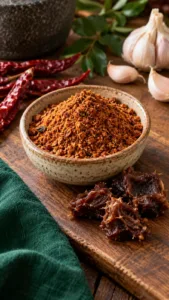
Tamarind adds a sour note to Andhra Podi. Learn how it works with chilli and garlic, and why a dry blend behaves differently from a...more
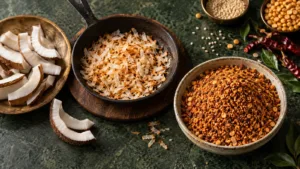
Dry coconut gives podi a rounder flavour and fuller mouthfeel. Here’s how roasting, natural fat and moisture control change the final spoonful.
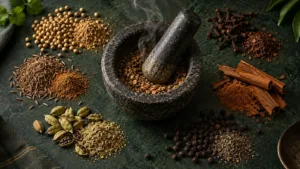
Grinding spices releases their aroma quickly, but it also exposes them to air. Here’s why ground spices smell stronger at first and fade sooner.
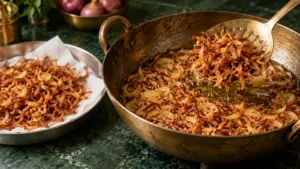
Fried onions do far more than add sweetness to biryani. They shape its aroma, colour, texture and the way the layers come together during dum.