


No products in the cart.
Return To Shop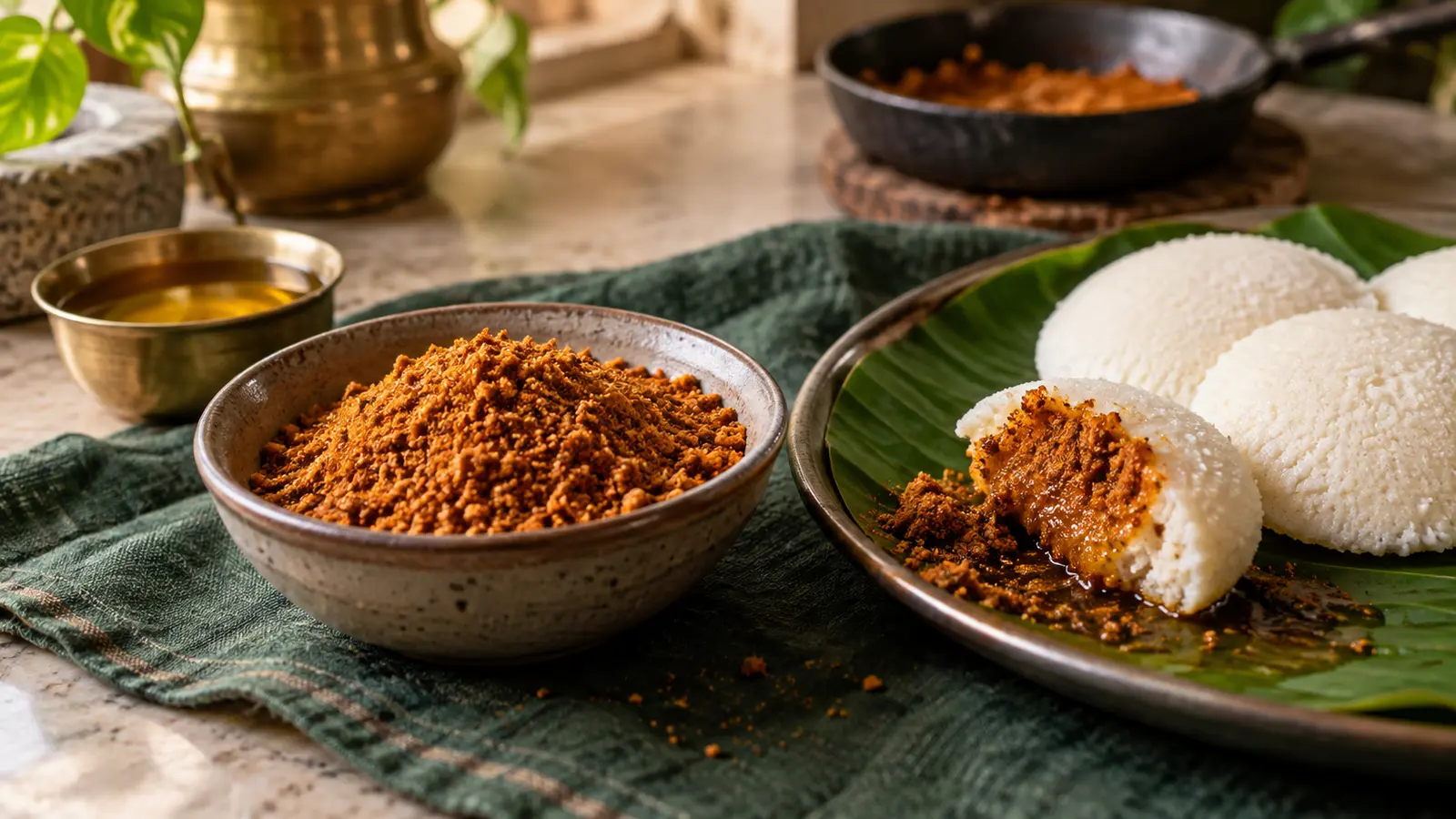
No, podi doesn’t need to be cooked before you eat it.
A well-made podi uses ingredients that have already been roasted before grinding. You can open the pack, spoon some onto your plate and eat it with idli, dosa, rice or curd.
That said, heat can change how podi tastes. Sometimes that helps. Sometimes it flattens the flavour or burns the finer bits.
Podi is ready to eat
Traditional podi usually contains roasted lentils, chillies, spices and other ingredients chosen for the recipe. The roasting step builds flavour and removes the raw taste before the blend reaches your kitchen.
So you don’t need to fry, boil or roast it again.
The simplest serving method is still one of the best. Put a spoonful on the plate, add a little ghee or sesame oil, mix, and tear off a piece of hot idli or dosa.
When adding podi after cooking works best
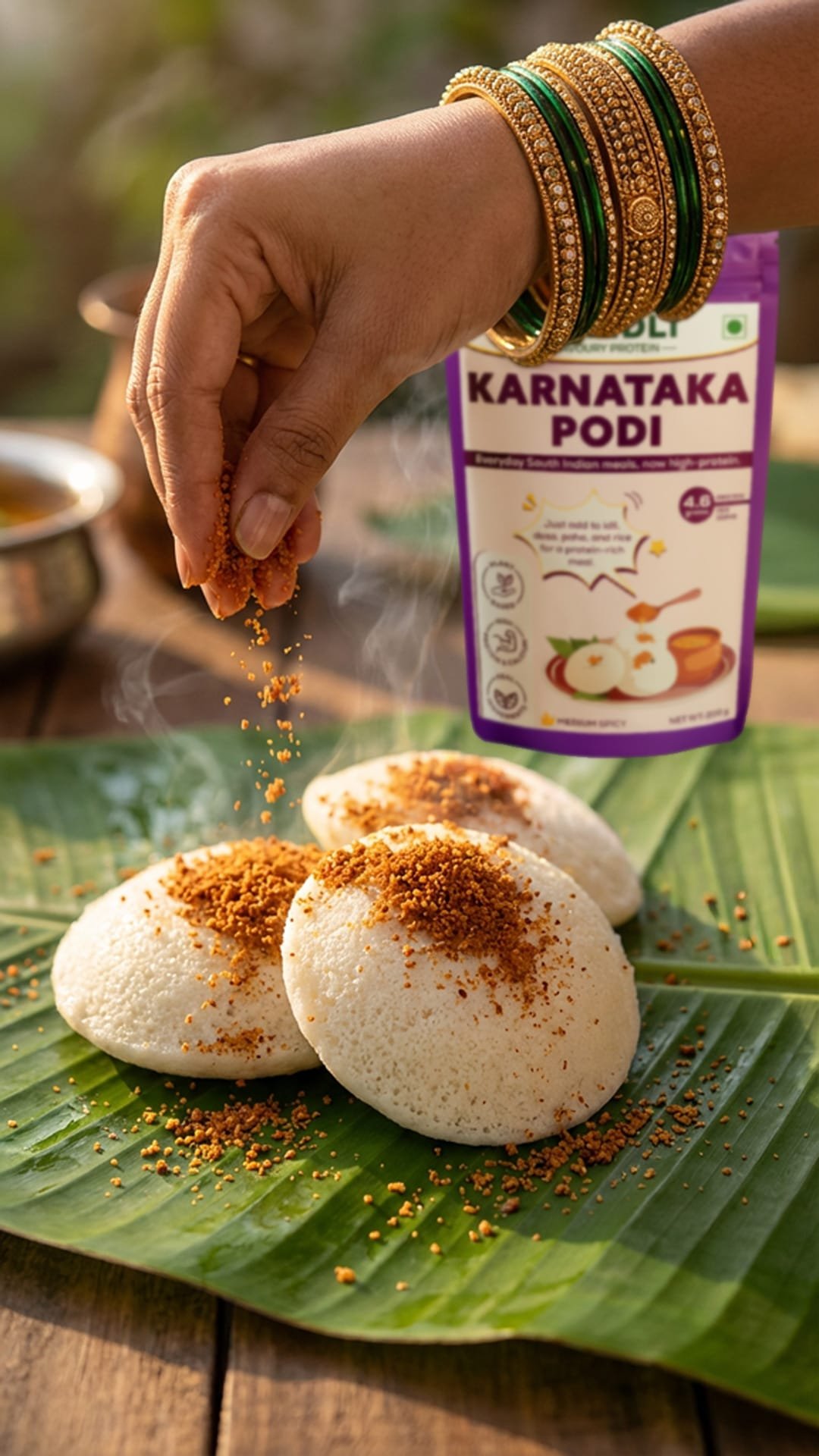
Sprinkling podi at the end keeps its aroma and texture clear. You notice the roasted dal, chilli and little crunchy bits instead of losing them inside a long-cooked dish.
- Add it to hot rice after switching off the flame.
- Dust it over eggs, roasted vegetables or makhana just before serving.
- Stir it into curd for a quick dip.
- Mix it with ghee or sesame oil at the table.
This is also the safer choice when you’re using podi for the first time. Taste a little, then add more if you want extra heat or salt.
Can you cook with podi?
Of course. Just keep the heat gentle and the cooking time short.
A quick toss in a warm pan can help podi cling to potatoes, paneer, leftover rice or vegetables. Add a little fat first, turn the heat low, then sprinkle the podi and toss for a few seconds.
Don’t leave it sitting on a hot, dry pan. Ground chilli, lentils, coconut, sesame and fine spices can catch quickly. Once they burn, the taste turns bitter.
What about adding it at the start?
That depends on the dish.
If you’re making something wet, such as a gravy or a moist stir-fry, podi can go in earlier because the liquid protects it from direct heat. The flavour will spread through the food, but the texture will soften.
For a dry dish, adding it near the end usually gives you more control.
Try this easy rule
Eat podi straight from the pack when you want its full roasted flavour. Warm it briefly when you want it to coat the food.
There isn’t one correct method. Hot rice with ghee feels different from crisp potatoes tossed with podi, and that’s the fun of keeping a useful blend in the kitchen.
A quick note on storage
Ready to eat doesn’t mean careless handling. Use a clean, dry spoon and close the pouch properly after every use.
Moisture and steam are the real troublemakers. Don’t hold an open pouch over a bubbling pot, and don’t dip in with a wet spoon.
For more detail, read our guide to storing podi after opening.
So, should you cook podi?
You don’t have to. Start by using it as a finishing seasoning or mixing it with a little oil or ghee.
Once you know how the blend tastes, try it in a warm pan for a quick toss. Keep the heat low. Keep an eye on it. That’s all.
Want a better sense of quantity? Our practical podi serving guide gives simple starting points for everyday meals.
Related posts
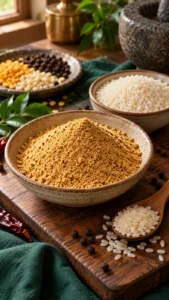
Rice in podi can shape its texture and toasted flavour. Learn why some recipes use it, with Rapidli Kerala Podi as a clear ingredient-list example.
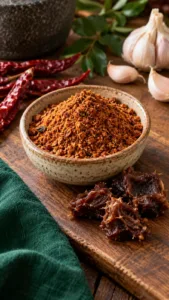
Tamarind adds a sour note to Andhra Podi. Learn how it works with chilli and garlic, and why a dry blend behaves differently from a...more
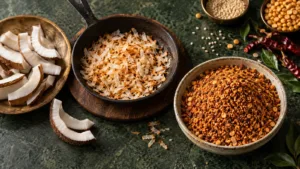
Dry coconut gives podi a rounder flavour and fuller mouthfeel. Here’s how roasting, natural fat and moisture control change the final spoonful.
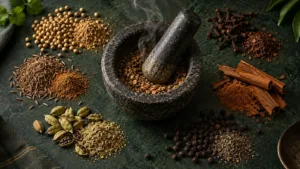
Grinding spices releases their aroma quickly, but it also exposes them to air. Here’s why ground spices smell stronger at first and fade sooner.
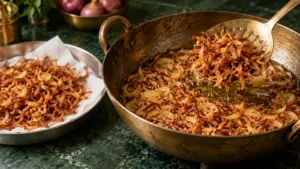
Fried onions do far more than add sweetness to biryani. They shape its aroma, colour, texture and the way the layers come together during dum.