


No products in the cart.
Return To Shop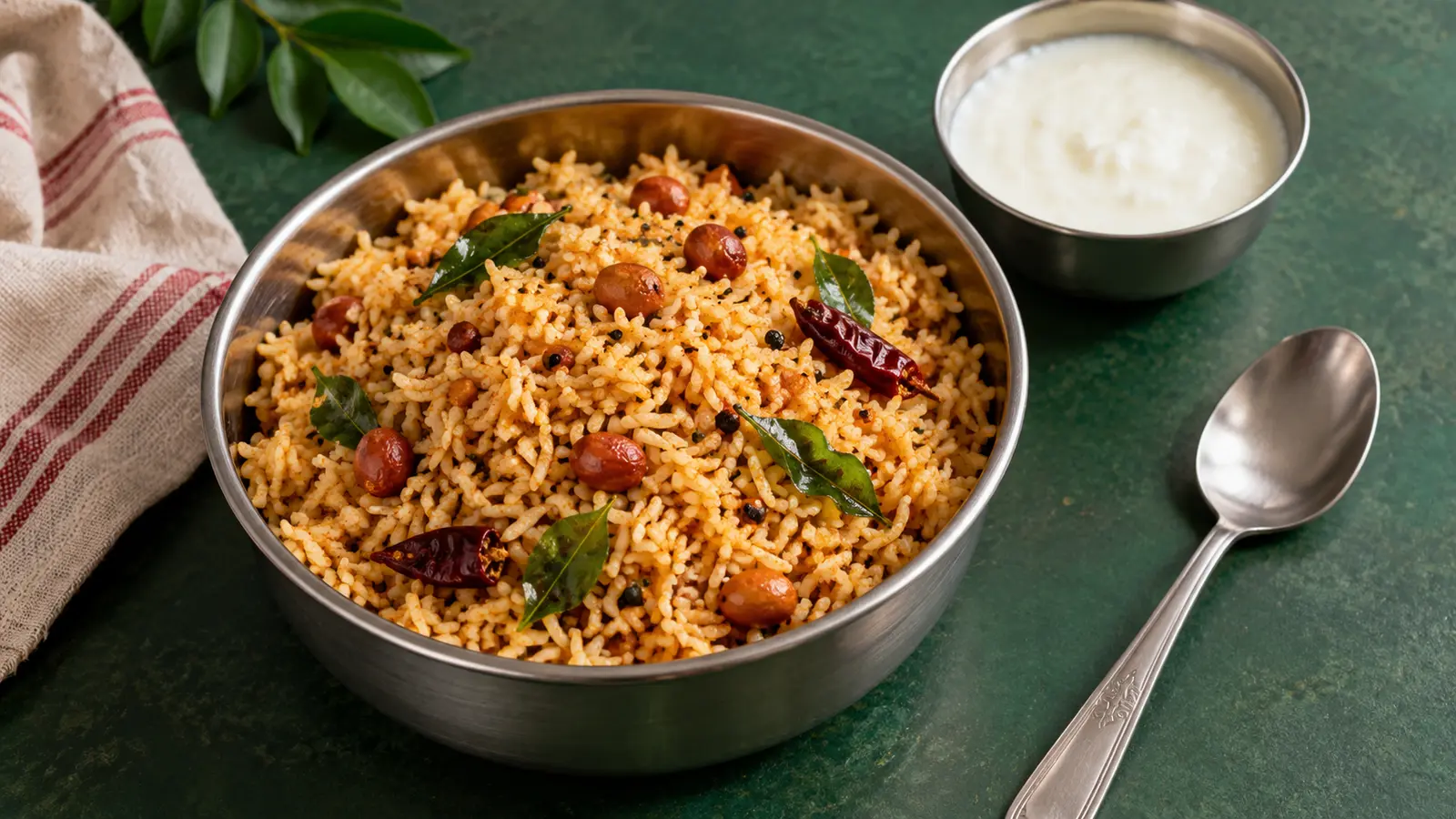
Leftover rice has an unfair reputation. It’s usually treated like a problem to hide under gravy.
With podi and a quick tempering, it can become a proper lunch in about ten minutes.
The result is warm, savoury and flexible. More importantly, it doesn’t feel like a sad fridge-clearing exercise.
Start with safely stored rice
Cool cooked rice promptly and refrigerate it in a covered container. Don’t leave it sitting at room temperature for hours.
Use refrigerated rice while it’s still fresh, and reheat it until steaming hot. If it smells unusual or you aren’t sure how long it has been out, discard it.
Cold rice is actually useful here because the grains are firmer and less likely to turn mushy while mixing.
What you need
- 2 cups cold cooked rice
- 1 to 2 tablespoons podi
- 1 tablespoon oil or ghee
- 1 teaspoon mustard seeds
- A small handful of peanuts or cashews
- A few curry leaves
- Salt only if needed
The podi already brings salt, chilli and roasted ingredients, so taste before adding extra seasoning.
Our practical podi serving guide is useful if you’re opening a new blend and don’t know its strength yet.
Make the tempering
Heat the oil in a wide pan. Add mustard seeds and let them begin to pop.
Add the peanuts and cook until lightly golden. Stir in the curry leaves carefully because they may splutter.
Keep the heat moderate. The tempering should smell nutty and fresh, not burnt.
Add the rice before the podi
Break up any cold clumps with clean fingers or a spoon. Add the rice to the pan and toss it through the tempering.
Let the rice heat through, then lower the flame before sprinkling in the podi. This protects the finer ingredients in the blend from scorching.
Add the podi gradually and mix. It’s much easier to add another spoon than to rescue rice that has become too salty or hot.
Keep it from turning dry
Podi contains ground pulses, seeds and spices that absorb some oil. If the rice looks dusty, add a small spoon of oil or ghee rather than pouring in water.
A squeeze of lime can brighten the bowl, but add it after switching off the heat.
Serve with plain curd, raita or sliced cucumber if you want a cooler contrast.
Make it more filling
Add cooked vegetables such as peas, beans, carrots or capsicum. Keep them lightly seasoned so the podi remains the main flavour.
Egg, paneer or leftover chicken can add protein. Heat the ingredient properly before folding it into the rice.
You can also add roasted chana or extra peanuts for crunch. Choose one or two additions that make sense instead of emptying the fridge into the pan.
Can you pack it for lunch?
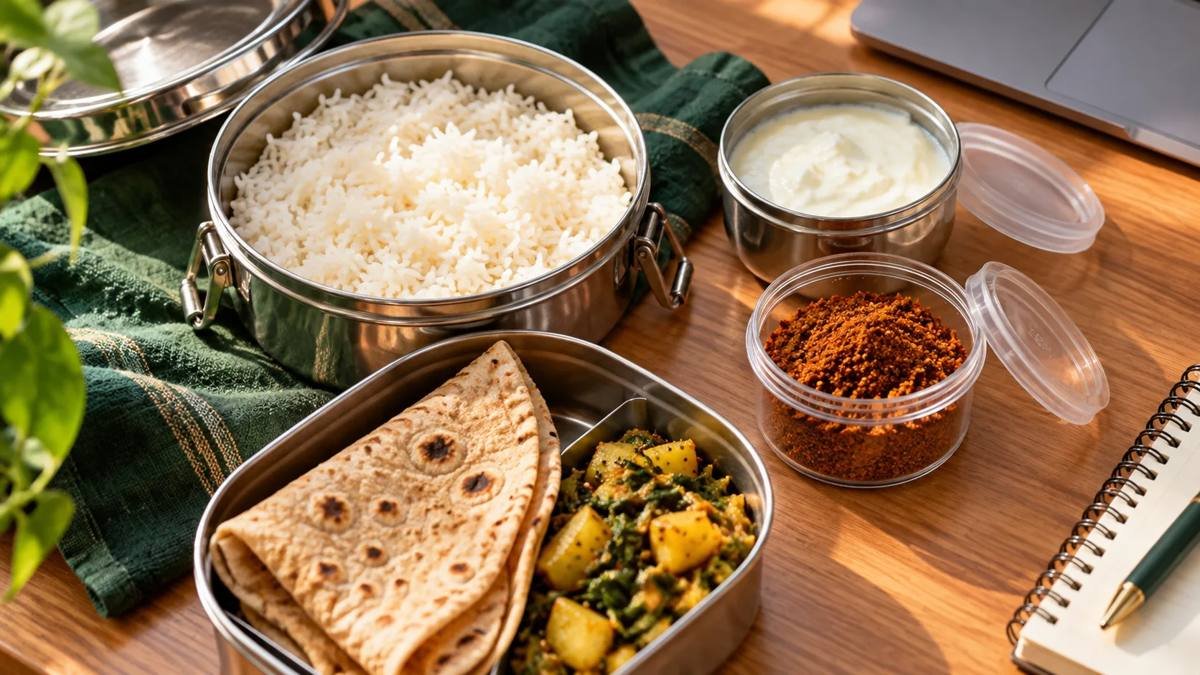
Yes, but handle it like any cooked rice dish. Pack it hot in a heat-retaining container for immediate use, or cool it promptly and keep it chilled until reheating.
Curd is best carried separately. That keeps the rice from becoming soggy and makes food storage easier.
Which podi works best?
A lentil-based podi gives the rice body and a roasted flavour. Garlic, sesame, coconut and curry leaves can each shift the character of the bowl.
A hotter blend may need less quantity and a generous side of curd. A nuttier podi can take a little more lime.
If you’re new to using podi beyond South Indian breakfasts, see our guide to using podi with everyday North Indian meals.
The short answer
Yes, podi can turn leftover rice into a satisfying lunch.
Use safely stored rice, build a quick tempering, add the podi on low heat and taste before adding salt. That’s lunch sorted without pretending leftovers are something to apologise for.
Choose your podi: Try Rapidli Tamil Podi. A versatile choice for a quick rice lunch. Explore more ways to use podi.


Related posts

Make podi aloo samosas with a simple potato filling and crisp pastry. Includes dough, shaping, sealing and frying tips, with salt checked after podi.
Make podi aloo paratha with a simple potato filling. Learn how to season with podi, check salt and roll stuffed parathas without tearing the dough.

Cook eggs in a thick podi tomato sauce for an easy one-pan breakfast. Includes measured ingredients, sauce tips and clear cues for fully cooked eggs.
Bake thin atta crackers with podi for a savoury tea-time snack. This easy recipe covers dough texture, even rolling, baking and cooling for crunch.
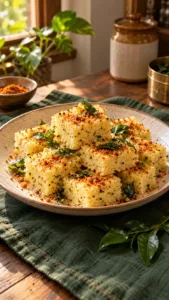
Try a podi dhokla recipe made with semolina and curd. Learn when to add fruit salt, how thick the batter should be and when the...more