


No products in the cart.
Return To Shop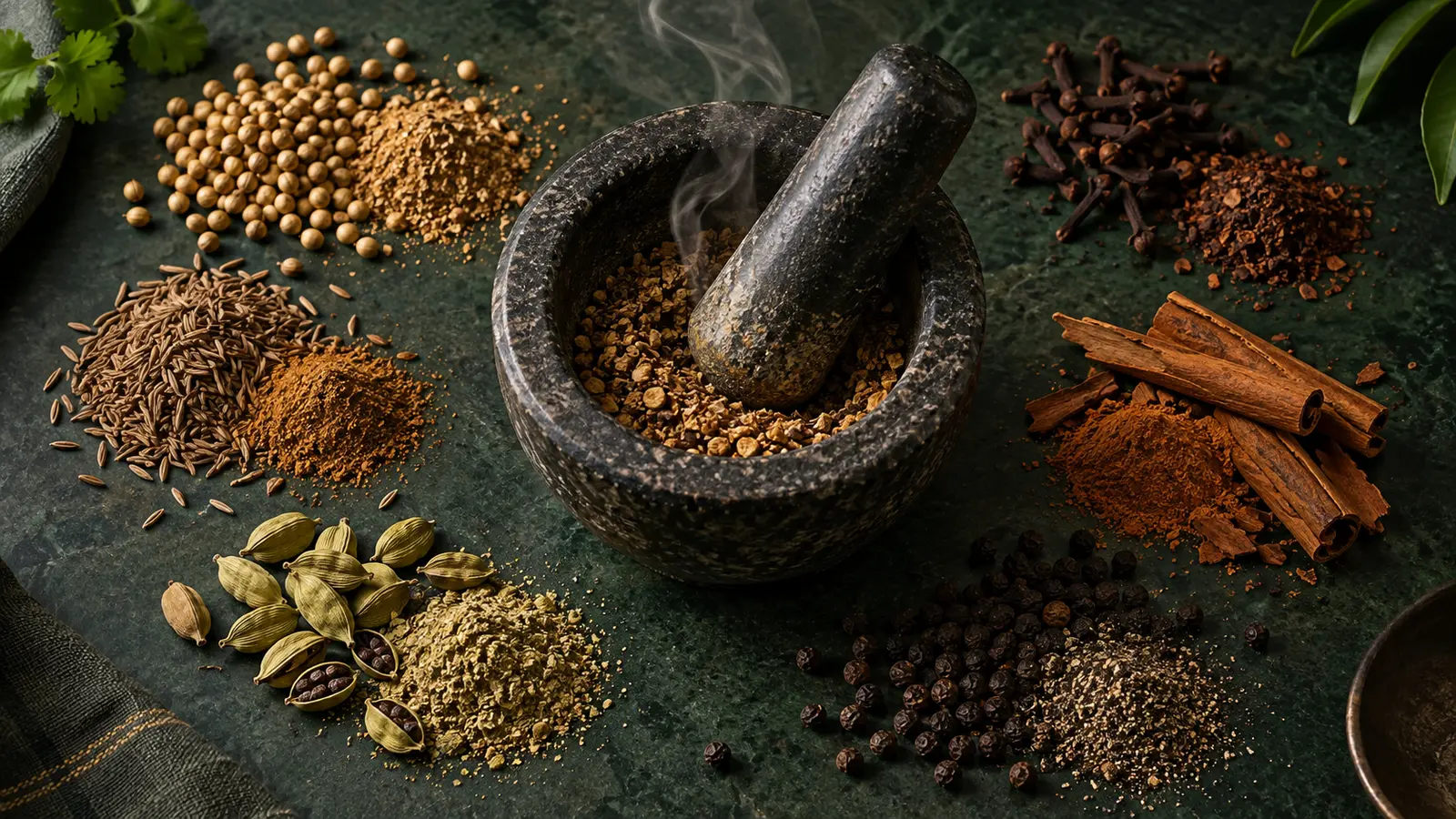
Crush a few peppercorns and the aroma appears almost immediately. Open a jar of old pepper powder and you may have to search for it.
That difference isn’t your imagination. Grinding helps spices release their aroma, but it also starts the clock on how quickly that aroma fades.
Whole spices protect what’s inside
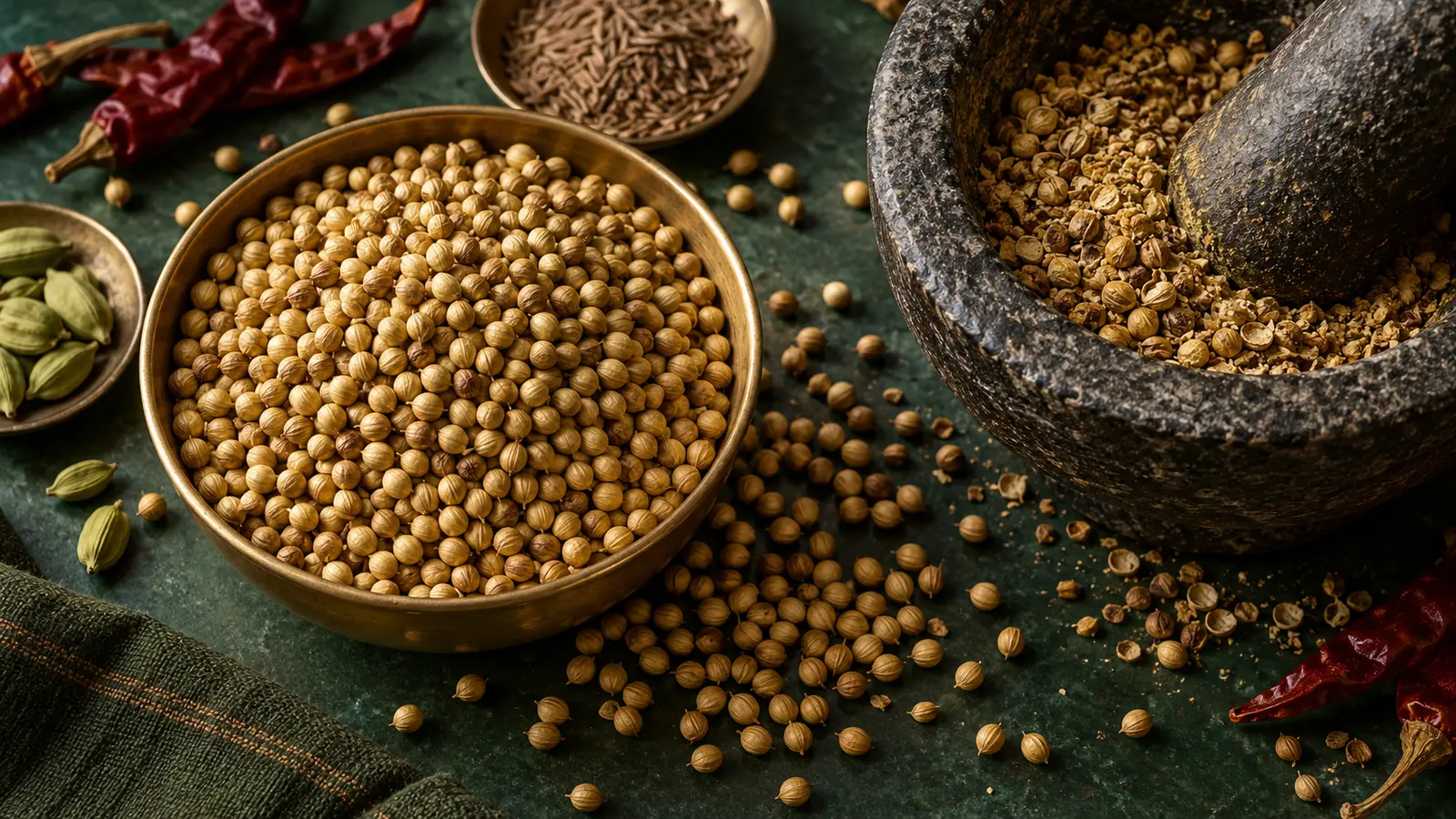
A whole seed, bark or pod acts like natural packaging. Much of its aromatic oil stays held inside until the spice is broken, heated or chewed.
That’s why whole cumin or coriander can keep its character longer than the same spice ground into powder.
Whole doesn’t mean permanent. Time, heat and poor storage still matter. The protective structure simply slows the loss.
Grinding creates more exposed surface
When you grind a spice, one large piece becomes thousands of smaller particles. Much more of the spice now touches the air.
This lets aromatic compounds escape quickly. It’s why freshly ground masala can smell so lively the moment the grinder opens.
The same exposure also makes those compounds easier to lose. Air, light and warmth begin dulling the aroma from that point onwards.
Fine powder fades faster than a coarse crush
A very fine powder has more exposed surface than a rough crush. It spreads easily through food and releases flavour quickly.
A coarse spice may open more slowly and keep pockets of aroma for longer. That can be useful in marinades, slow-cooked gravies or a finishing sprinkle.
Neither texture is always better. The right grind depends on when the spice is added and how long the dish will cook.
Heat can wake up aroma and drive it away
Gentle roasting can make a spice smell fuller because warmth helps release its aromatic oils. It can also create new toasted notes.
Too much heat pushes those aromas out of the spice and into the air before the spice reaches your food. Burning adds bitterness on top of the loss.
Let roasted spices cool before grinding. Grinding them while hot can create condensation inside the jar and sends even more aroma into the kitchen.
Should you grind spices fresh every time?
Not necessarily. Fresh grinding gives strong aroma, but it isn’t practical for every meal.
A useful middle ground is to grind a small amount that you can finish while it still tastes lively. The right batch size depends on how often you cook with it.
For a packaged spice blend, careful roasting, cooling, grinding and sealing all matter. Good packaging helps slow the loss after the blend leaves the grinder.
How to protect ground spices at home
- Keep them in a tightly closed pouch or container.
- Store them away from the stove, sunlight and steam.
- Use a clean, dry spoon.
- Avoid keeping a large jar open while you cook.
A spice rack directly above the hob may look convenient, but it exposes the jars to repeated warmth and steam.
Our podi storage guide covers the same practical enemies of aroma: air, moisture, light and heat.
Can you judge a blend only by smell?
Smell tells you plenty, but it isn’t the whole story. Some spices become more noticeable after heating or meeting fat. Others may smell bold in the pack but overwhelm the dish.
Salt, chilli, acidity and texture also change how a blend tastes. A strong dry aroma doesn’t automatically mean a better-balanced masala.
Before buying, it also helps to understand what the pack actually contains. Our guide to reading a spice blend’s ingredient list shows what to look for.
The short answer
Freshly ground spices smell stronger because grinding releases aromatic compounds and exposes more of the spice to the air.
They fade faster for the same reason. Once those protective seeds, pods and pieces are broken, aroma can escape more easily.
Grind with purpose, store the result well and use it while it still smells like the spice you started with.

Related posts
Rice in podi can shape its texture and toasted flavour. Learn why some recipes use it, with Rapidli Kerala Podi as a clear ingredient-list example.
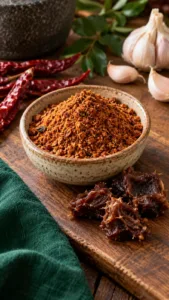
Tamarind adds a sour note to Andhra Podi. Learn how it works with chilli and garlic, and why a dry blend behaves differently from a...more
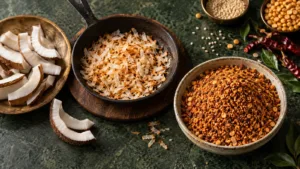
Dry coconut gives podi a rounder flavour and fuller mouthfeel. Here’s how roasting, natural fat and moisture control change the final spoonful.
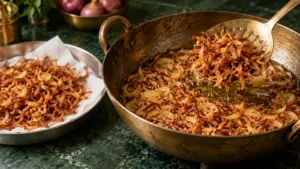
Fried onions do far more than add sweetness to biryani. They shape its aroma, colour, texture and the way the layers come together during dum.
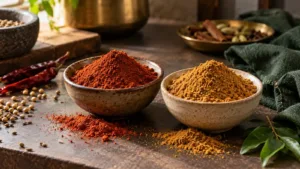
A darker masala isn’t automatically stronger, hotter or better. Roasting, chilli choice and ingredient proportions can all change colour differently.