


No products in the cart.
Return To Shop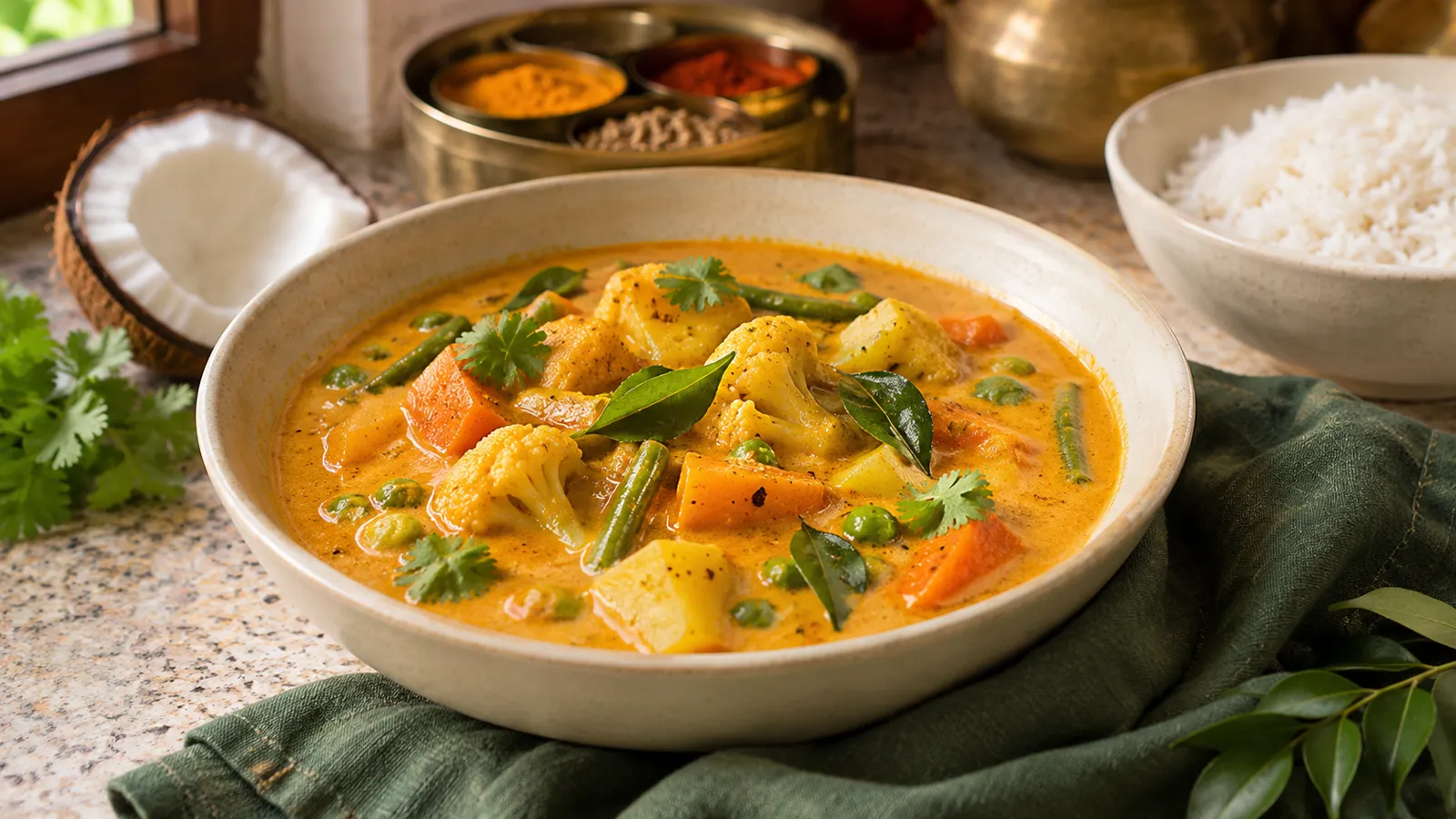
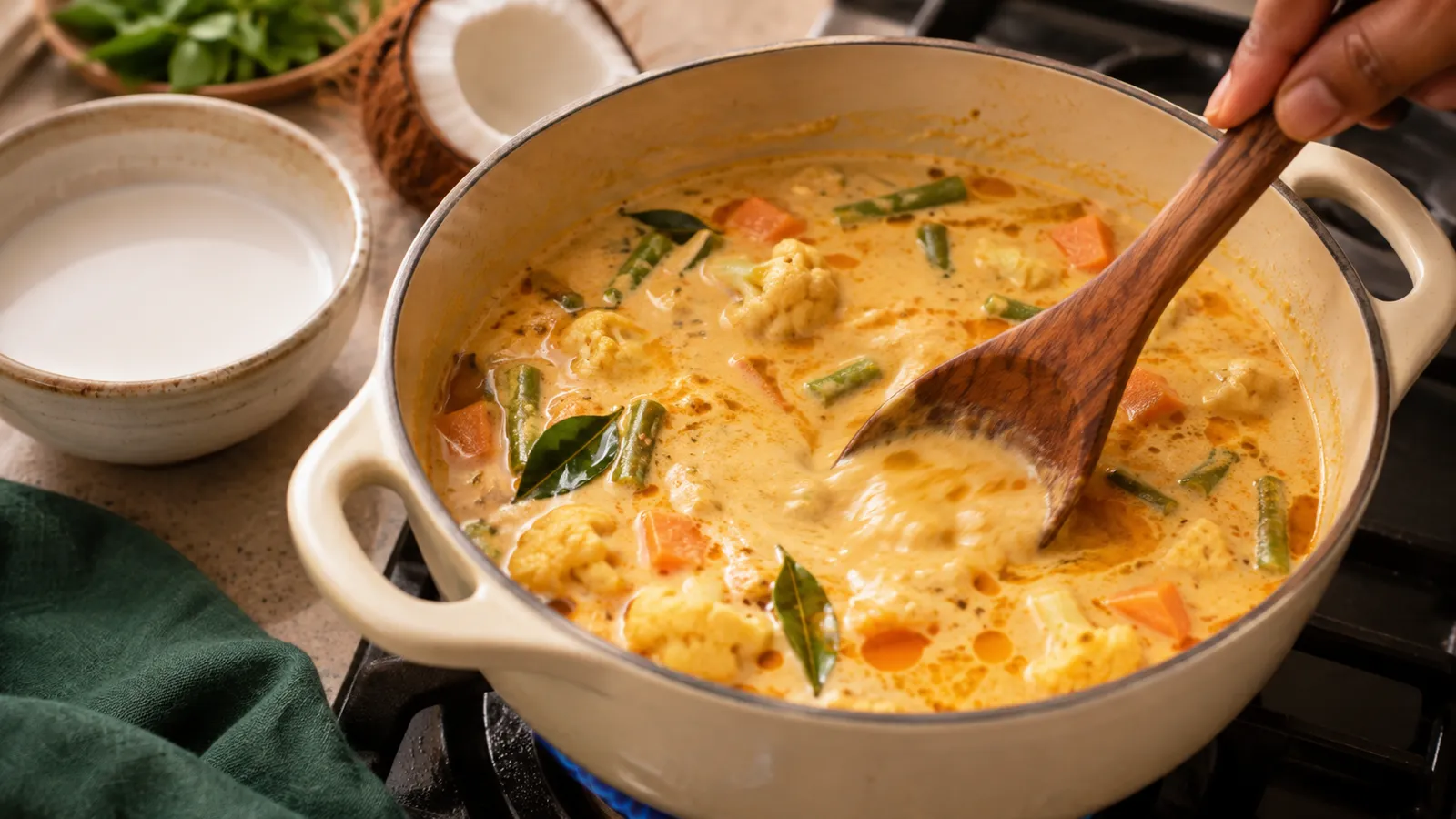
A smooth coconut curry can develop oily patches and tiny grainy bits after a strong boil. Coconut milk is a mixture of water, fat and other coconut solids. It can separate when that mixture is heated or left to stand. Homemade milk often shows this more clearly than products made with stabilisers.
A rolling boil changes the texture
Long, vigorous cooking can encourage the fat to separate from the watery part. It also evaporates water, making the curry thicker and the separation more obvious. If you want a smooth finish, keep the heat gentle after adding thick coconut milk.
Many recipes use thinner coconut milk earlier and thicker milk near the end. That lets vegetables or meat cook without asking the richest milk to boil for the entire time.
Separation isn’t always a mistake
Some dishes deliberately cook coconut milk until fat separates. That result is part of the method. Read the recipe’s intended finish before treating every oil droplet as a problem.
Chilled coconut milk can also form a firm cream layer. That physical change alone doesn’t establish spoilage. Follow storage instructions and judge the product’s condition before cooking; don’t use heating to rescue milk that has spoiled.
What to do with a split curry
Lower the heat first. Gentle stirring can redistribute some of the fat, though it may not restore a perfectly smooth sauce. If the curry has reduced too far, a small splash of water can loosen it. Taste again after adjusting.
Adding another large pour of coconut milk to a fiercely boiling pan may repeat the problem. Bring the cooking under control before changing the ingredients.
Reheat with patience
Warm chilled curry gently and stir across the base. Avoid letting one patch boil hard while the centre stays cold. For a podi finish, add a small measured amount once the main cooking is done, then check salt. You can keep the coconut flavour clear without making the seasoning heavy.
For more ways to use a measured amount of seasoning, see how to use podi.


Related posts

Get to know black and yellow mustard seeds, from their flavour to the dishes they suit.
Learn when salting vegetables early helps, and when to wait until they're cooked.

What Do Cloves Add to an Indian Masala? with practical tips for everyday cooking.