


No products in the cart.
Return To Shop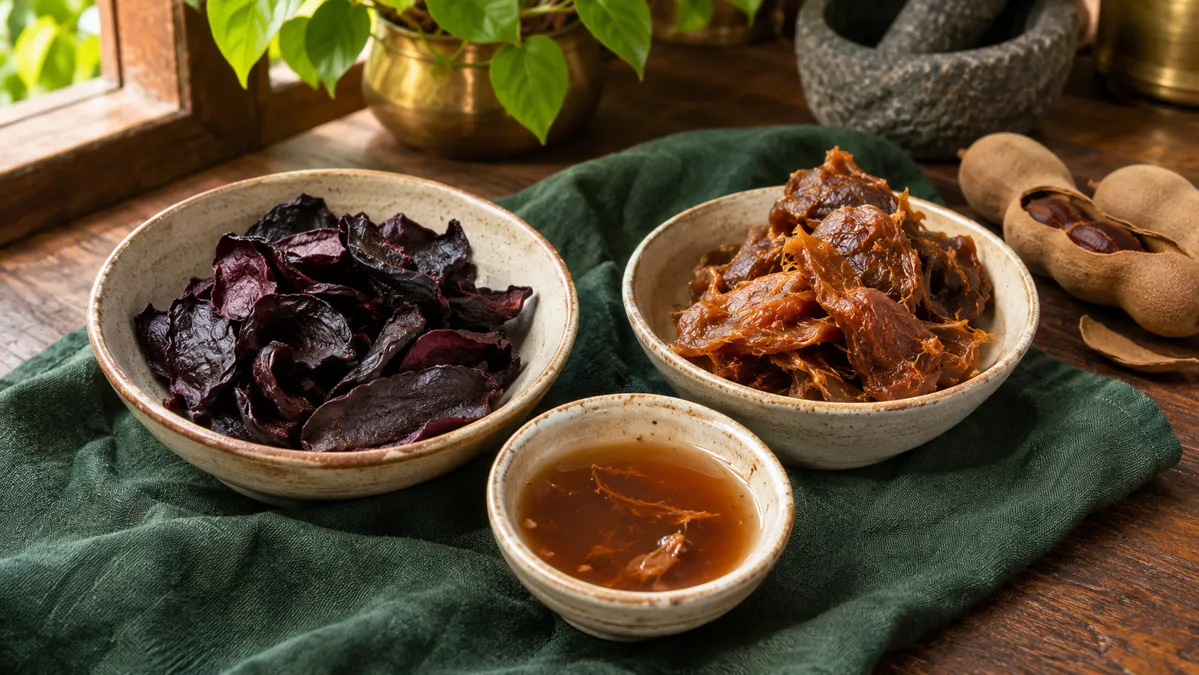
The dal is nearly ready. You reach for kokum, find an empty packet and wonder whether the imli in the cupboard will do.
For many dals, yes. Tamarind can provide the sourness you’re missing. Expect the finished bowl to taste different, though, and start with less than you think you need.
What are you swapping?
Kokum is commonly sold as dried fruit rind. Tamarind is sold as a fibrous block, prepared pulp or concentrated paste. Those forms matter: a spoon of strong concentrate and a spoon of weak strained pulp won’t sour a pot equally.
The Resource Book on Kokum describes its use as a souring ingredient in curries and lentil dishes. That shared job makes tamarind a practical option when you’re cooking dal.
What changes in the bowl?
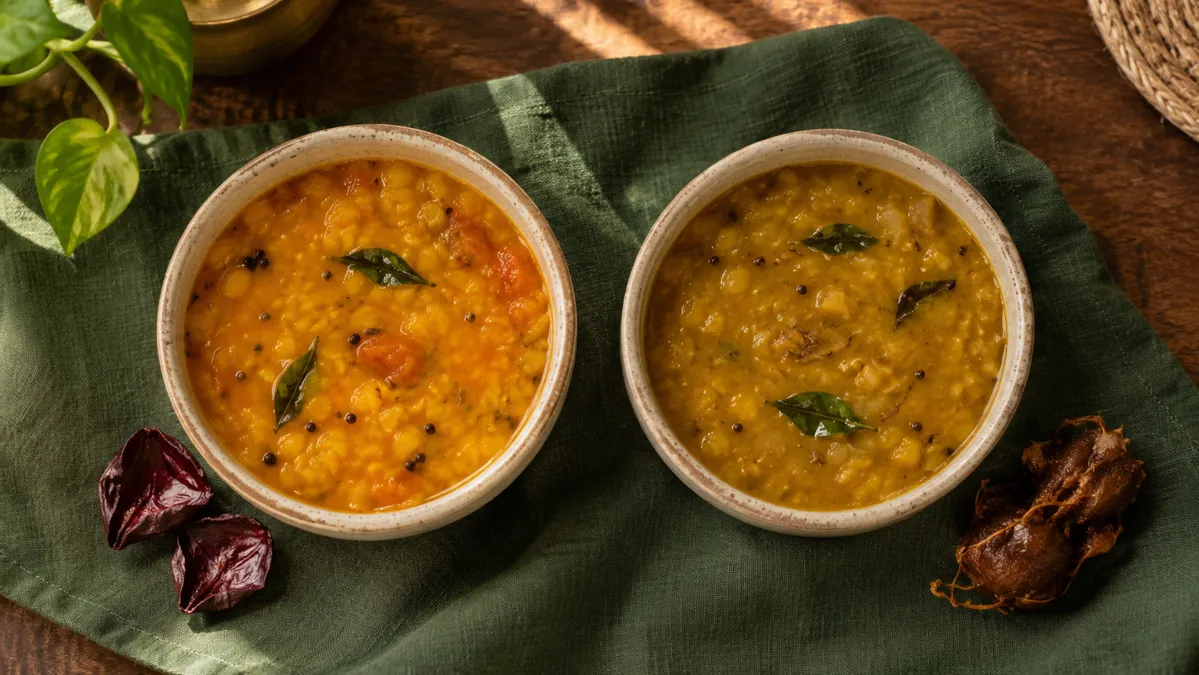
Tamarind brings its own fruity, sweet-sour flavour. Kokum has a different tart character. Neither ingredient simply disappears after adding sourness.
Colour can change too. Tamarind pulp can make a pale dal look browner. Kokum can contribute a reddish tint. How noticeable that is depends on the quantity, the rind or pulp, and what else is already in the pot.
Why there’s no tidy spoon-for-piece rule
Dried kokum pieces vary in size and strength. Tamarind products vary even more. A universal conversion can leave you with a much sharper dal than you wanted.
Check the packet before using a prepared product. Salted kokum and sweetened tamarind sauces bring extra seasoning that a plain souring ingredient doesn’t.
Taste a small bowl first
If you’re unsure about the swap, judge a small spoonful of your dal with a little diluted tamarind before changing the whole pot. You’re looking for sourness that makes the lentils taste lively while leaving room for their flavour.
Don’t add extra sugar automatically. Some dal recipes already include jaggery; others don’t need it. Follow the balance of the dish you’re making.
When to wait for kokum
If kokum is the main reason for making a dish, its replacement will be more obvious. Sol kadhi is a good example: tamarind won’t recreate kokum’s characteristic colour and flavour.
For an everyday dal, a thoughtful swap can still make a lovely dinner. Just treat the imli as a new ingredient to taste, rather than a measured copy of the missing one.
Rapidli’s blends also use ingredients for specific flavour roles. Explore how to use podi for ways to season familiar meals.


Related posts

Get to know black and yellow mustard seeds, from their flavour to the dishes they suit.
Learn when salting vegetables early helps, and when to wait until they're cooked.

What Do Cloves Add to an Indian Masala? with practical tips for everyday cooking.