


No products in the cart.
Return To Shop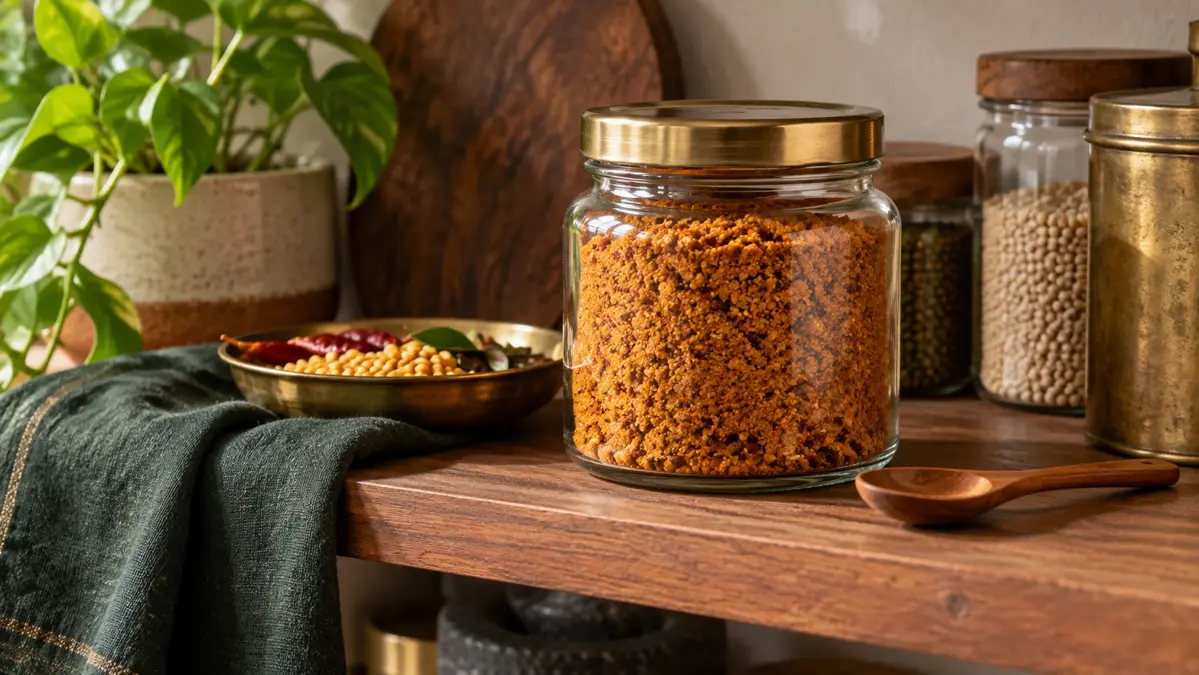
Wondering how to store podi once you’ve opened the pouch? Start with the instructions on your pack. Then make one small habit stick: close it properly after every use.
That pouch beside the stove might feel handy. Move it. Steam and splashes don’t belong anywhere near your dry chutney powder.
Give your podi a cool, dry home
Choose a cupboard away from the hob, sink and direct sunlight. You want a spot that stays dry during everyday cooking.
Keep the pouch shut when you’re not using it. Leaving it open while you cook makes it easier for moisture and stray food to get inside.
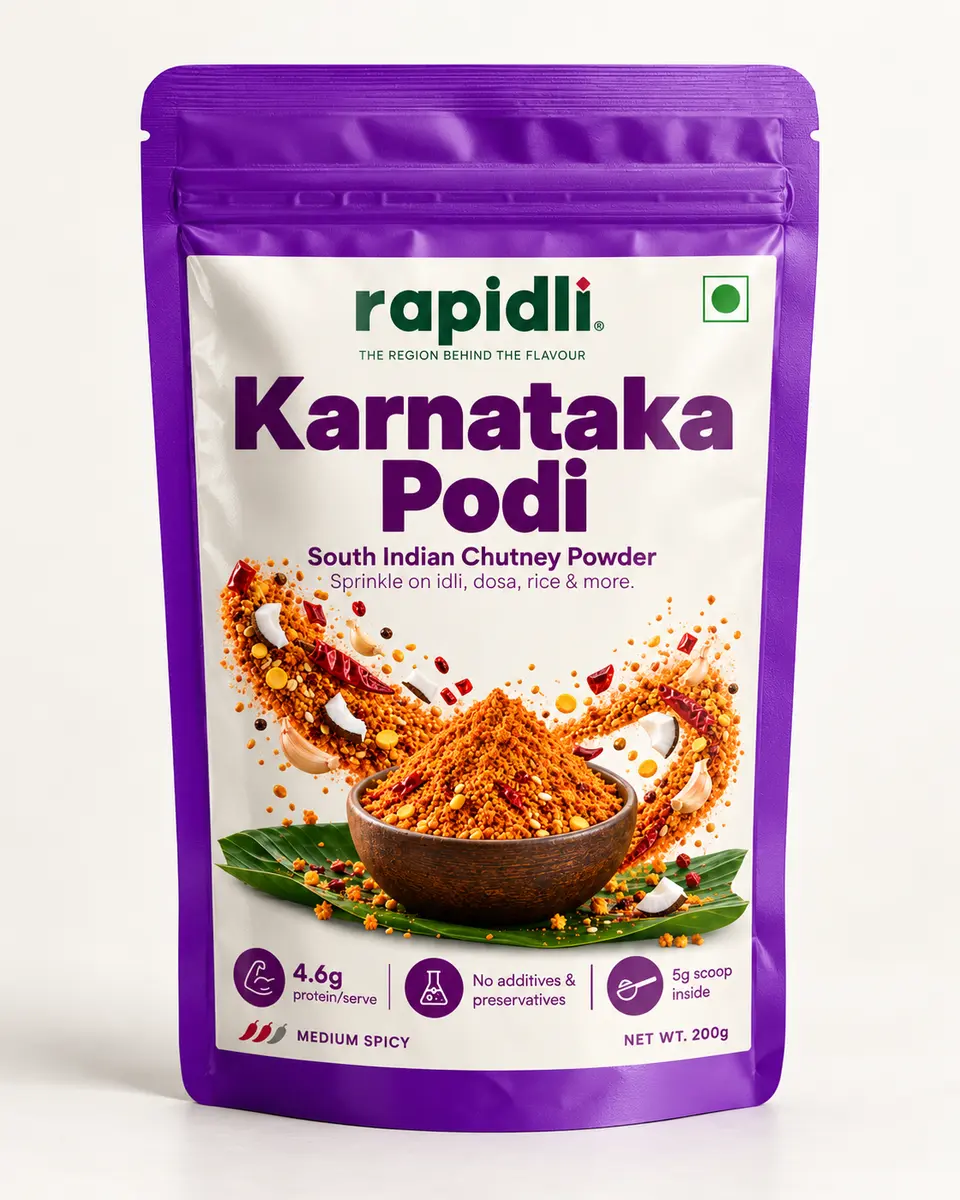
Can you keep podi in its original pouch?
Yes, if the packaging is intact, reseals securely and suits the storage directions on the label. Check the zip before you put it away.
- Brush loose powder out of the zip with a clean, dry utensil.
- Press the closure shut along its full length.
- Check for gaps or damage before returning it to the cupboard.
- Keep the storage instructions and date marking easy to find.
If the closure won’t seal, use a suitable airtight container. A folded opening with a loose clip may leave gaps.
Using a jar? Dry it completely
A clean jar works well when its lid closes tightly. Let both the jar and lid dry completely after washing before adding podi.
Don’t pour a new pouch onto old leftovers. Finish the older batch, clean the container and dry it before refilling.
Keep the original label, or record its batch details, date marking and storage directions. Moving podi into a nice jar shouldn’t mean losing the useful information.
Use a dry spoon every time
That spoon you’ve just used for curd? Keep it out of the pouch. Take a fresh, dry one for the podi.
Spoon a little into a separate bowl before adding oil, ghee or curd. Don’t tip the leftover mixture back into the dry powder.
For a useful starting quantity, check our podi serving guide. Taking out what you need keeps the main pouch away from the meal prep mess.
Should podi go in the fridge?
Follow your product’s instructions. Podi recipes differ, so a storage rule for one homemade blend may not suit another pack.
If the label asks for refrigeration, use a well-sealed container and handle it as directed. If you’re unsure what your Rapidli pouch needs, ask us with the product name and batch details.
How long does an opened pouch last?
Use the pack’s date marking and any specific after-opening guidance. We won’t invent a number of weeks that fits every recipe, climate and kitchen.
Airtight storage doesn’t extend the labelled shelf life. Buying a pack size you’ll use comfortably makes more sense than forgetting a giant jar at the back of the cupboard.
What if the podi looks or smells different?
Don’t eat podi that shows mould, pests or an unusual smell. Don’t try to fix it by roasting it again.
A few dry lumps alone don’t tell you whether a product is safe. If moisture has entered the pouch or you’re unsure about its condition, stop using it and contact the maker.
A small routine you’ll actually follow
Dry spoon. Secure closure. Back in the cupboard.
Once you’ve sorted the storage, put your podi to work in everyday North Indian meals. Browse Rapidli for current blends and check the storage directions on the pouch you choose.


Related posts
Rice in podi can shape its texture and toasted flavour. Learn why some recipes use it, with Rapidli Kerala Podi as a clear ingredient-list example.
Tamarind adds a sour note to Andhra Podi. Learn how it works with chilli and garlic, and why a dry blend behaves differently from a...more
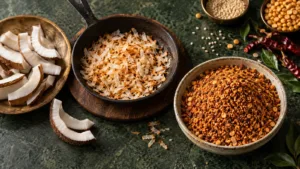
Dry coconut gives podi a rounder flavour and fuller mouthfeel. Here’s how roasting, natural fat and moisture control change the final spoonful.
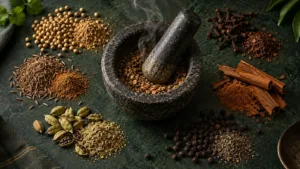
Grinding spices releases their aroma quickly, but it also exposes them to air. Here’s why ground spices smell stronger at first and fade sooner.
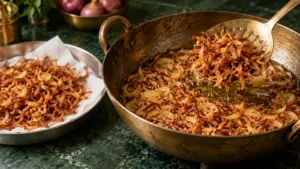
Fried onions do far more than add sweetness to biryani. They shape its aroma, colour, texture and the way the layers come together during dum.