


No products in the cart.
Return To Shop
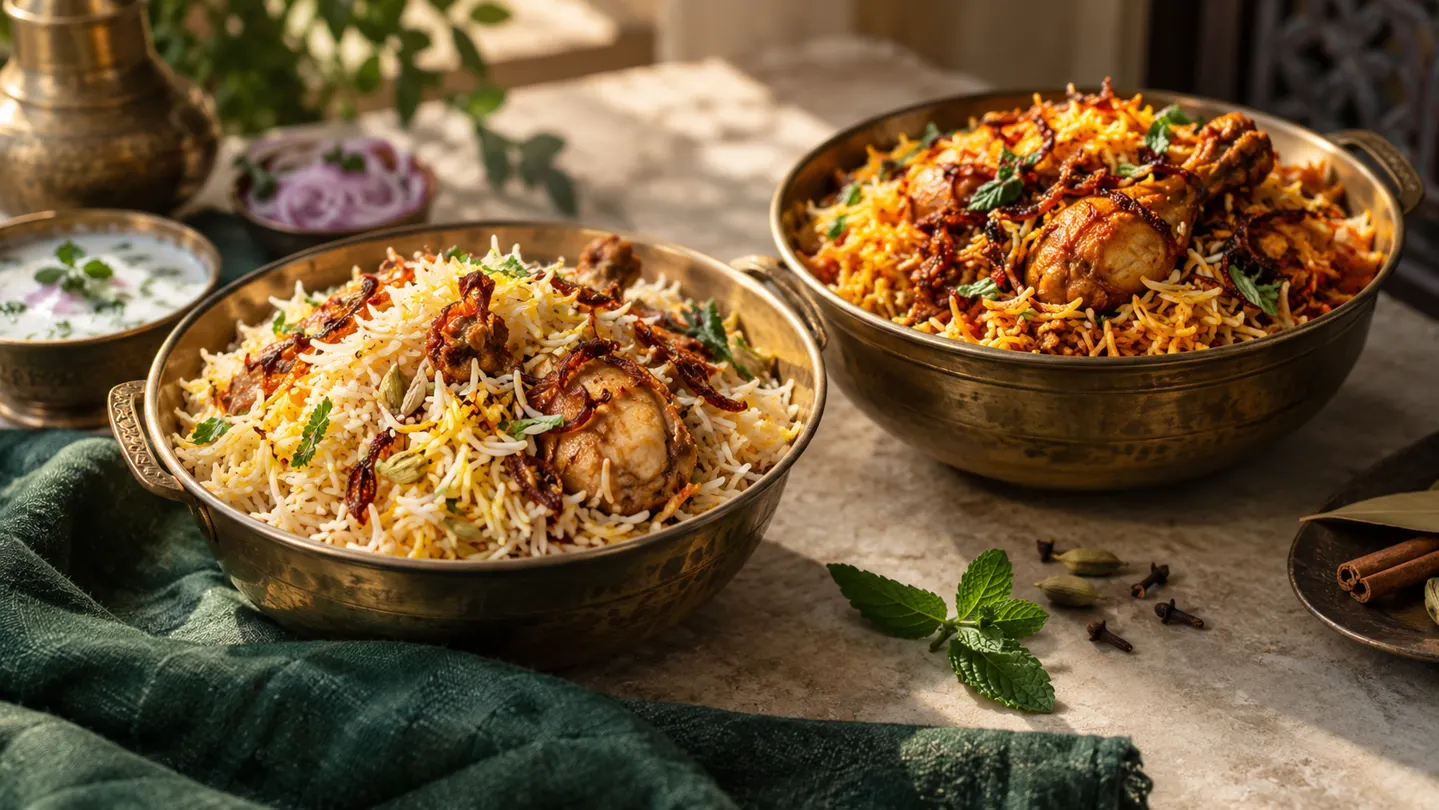
“Biryani masala” sounds like one clear thing until you start looking at actual biryanis.
An Awadhi biryani doesn’t build flavour like a Hyderabadi dum biryani. Kolkata, Malabar, Ambur and Sindhi styles make their own choices too. Even two families cooking the same regional biryani may disagree about what belongs in the pot.
So expecting one masala to taste equally right everywhere is asking a lot from one packet.
The rice changes what the masala needs to do
Long, fragrant basmati has a flavour worth protecting. A heavily spiced blend can cover its aroma instead of supporting it.
Other biryanis use shorter-grain rice with a different texture and scent. Their masala may need to work harder or spread differently through the dish.
The amount of rice matters too. A blend that feels balanced in 500 grams can disappear in a bigger pot if every other ingredient increases and the masala doesn’t.
Raw meat and cooked meat build flavour differently
In a raw-meat dum method, the marinade, meat juices and spices cook together. The blend has time to open slowly inside a sealed pot.
In a method where the meat is cooked before layering, the masala develops in the gravy first. It may taste more concentrated before the rice goes in.
A spice blend must suit that journey. The same quantity added at the same moment won’t always give the same result.
Acidity changes the whole balance
Curd, tomato, lime and fried onion can all bring acidity or sweetness. They affect how hot, floral or bitter the spices seem.
A blend designed for a curd-heavy marinade may feel flat in a recipe with very little acidity. Another blend may become harsh when combined with too much tomato or lime.
This is one reason you should judge masala inside the full recipe, not by smelling the dry powder alone.
Whole spices and ground spices have different jobs
Whole cardamom, cinnamon, cloves, pepper and bay leaf release flavour gradually. Ground spices spread faster and touch more of the rice.
Many biryanis use both. The whole spices perfume the cooking fat or water, while the ground blend gives the dish a more even base.
If the recipe already uses plenty of whole spices, a masala packed with the same notes may become loud or medicinal.
Heat isn’t the only measure of strength
A biryani can be aromatic without being very hot. Cardamom, mace, nutmeg, kewra, mint, saffron and fried onion can create intensity that has little to do with chilli.
That matters when choosing or developing a blend. More chilli doesn’t automatically make a biryani taste more authentic. Sometimes it just makes the quieter aromas harder to notice.
The cooking method decides what survives
Long dum cooking rewards spices that release their aroma slowly. A quicker stovetop biryani may need a blend that becomes expressive sooner.
Fat also carries spice aromas. A recipe using generous ghee can make a blend feel fuller than a leaner version using less oil.
Steam, sealed cooking and resting time all change what reaches your nose when the lid finally opens.
Regional names should mean something
If a pack calls itself Hyderabadi, Awadhi or Malabar biryani masala, the name should describe a real flavour direction. It shouldn’t be the same generic blend wearing a different label.
Our earlier guide to Awadhi and Hyderabadi biryani masala looks more closely at two very different approaches.
That difference is useful for home cooks. It tells you what kind of result the blend is meant to support and which recipe method will suit it.
There’s no universal biryani button
A good biryani masala isn’t trying to dominate every pot. It should fit the rice, protein, acidity, cooking method and regional character around it.
That’s why one blend can make an excellent biryani and still feel wrong in another style.
Biryani is a family of dishes. Its masala should be just as specific.


Related posts
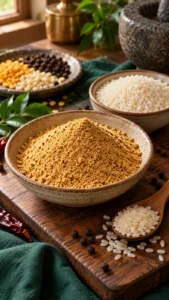
Rice in podi can shape its texture and toasted flavour. Learn why some recipes use it, with Rapidli Kerala Podi as a clear ingredient-list example.
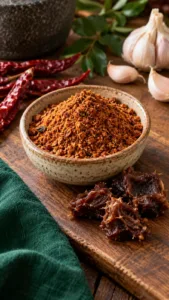
Tamarind adds a sour note to Andhra Podi. Learn how it works with chilli and garlic, and why a dry blend behaves differently from a...more
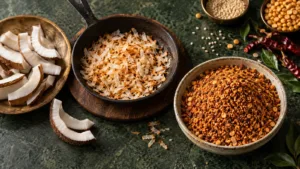
Dry coconut gives podi a rounder flavour and fuller mouthfeel. Here’s how roasting, natural fat and moisture control change the final spoonful.
Grinding spices releases their aroma quickly, but it also exposes them to air. Here’s why ground spices smell stronger at first and fade sooner.

Fried onions do far more than add sweetness to biryani. They shape its aroma, colour, texture and the way the layers come together during dum.