


No products in the cart.
Return To Shop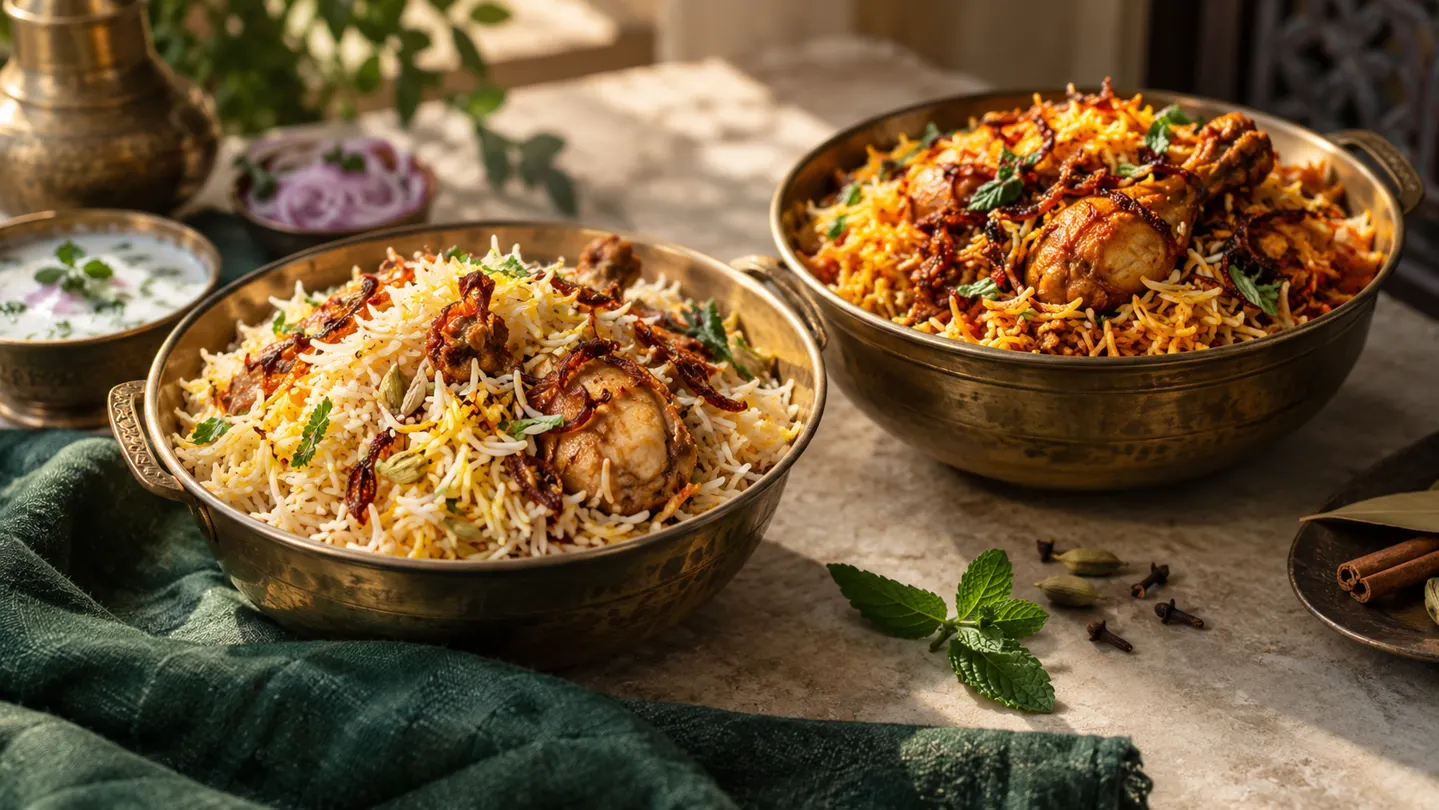
You’re choosing a biryani masala, and two packets promise two very different dinners. Awadhi on one. Hyderabadi on the other. What’s actually different?
Awadhi vs Hyderabadi biryani masala usually comes down to the balance of aroma, heat and the recipe it supports. Awadhi-style biryani often puts fragrant spices centre stage. Many Hyderabadi versions bring a more assertive chilli-and-herb character.
There’s plenty of overlap, though. No single spice belongs exclusively to either style, and no packet can capture every cook’s recipe.
The quick comparison
| What to compare | Awadhi-style biryani | Hyderabadi-style biryani |
|---|---|---|
| Usual flavour direction | Fragrant, with restrained chilli in many versions | Often bolder chilli heat alongside warm spice |
| Shared spice cupboard | Cardamom, cloves, cinnamon and other aromatics | Many of the same aromatics, in different proportions |
| Ingredients beyond dry masala | Recipes may use saffron or floral flavourings | Recipes often use curd, mint, coriander and fried onions |
| Cooking approach | Often cooked meat layered with rice before dum | Both raw-marinated meat and cooked-meat methods exist |
Think of this as a starting guide. The ingredient list and recipe tell you more than the regional name alone.
What Awadhi biryani masala aims for
Awadhi biryani comes from the food traditions of Lucknow and the wider Awadh region. Many versions favour a fragrant result where you can still taste the rice and meat clearly.
Cardamom, cloves and cinnamon can help build that aroma. Some recipes include mace or other fragrant spices, but their presence and quantity vary.
Saffron, kewra or rose water may also appear in a recipe. These aren’t interchangeable, and they don’t necessarily come inside the dry masala packet.
Go gently with floral flavourings. A little can suit the dish. Too much can make dinner smell like the bottle you poured it from.
What Hyderabadi biryani masala aims for
Many Hyderabadi recipes build a stronger spiced character through the meat mixture. Chilli, ginger and garlic work alongside warm spices, while fresh herbs and fried onions shape the finished flavour.
Curd commonly forms part of the marinade. Mint and coriander add their own character, so a dry spice blend won’t do their job for them.
Hyderabadi biryani includes kachchi and pakki approaches. In kachchi biryani, the cook layers raw marinated meat with partially cooked rice, then cooks them together. Pakki versions use cooked meat.
That distinction matters. The two methods need different control of timing and moisture. Follow a tested recipe for your meat and method rather than changing techniques halfway through.

The same spices can taste very different
Two blends can list cardamom, cloves and cinnamon yet produce different results. Their proportions matter, as do chilli variety, grinding and the amount you add.
A blend that leans heavily on cloves can taste very different from one that puts cardamom forward. You won’t always spot that difference from the front of the packet.
Our spice-blend ingredient-list guide explains what to look for before you buy. For another example of ingredients changing flavour, see Byadgi vs Guntur chillies.
Can you swap Awadhi and Hyderabadi masalas?
You can try, but expect a different flavour. A substitute blend doesn’t turn one regional recipe into the other.
- Check whether the blend already contains salt or chilli.
- Use the packet’s quantity guidance for your rice and meat amounts.
- Keep the recipe’s fresh herbs and other ingredients unless the packet specifically replaces them.
- Don’t add extra whole spices automatically if the recipe and packet already provide them.
If you’re aiming for a delicate Awadhi-style result, a chilli-heavy blend may take you away from it. For a Hyderabadi recipe, an aromatic blend may still need the chilli and herbs that the recipe calls for.
Choose the dinner before the packet
Want a fragrant, gently spiced biryani? Start with a recipe that aims for that. Want a punchier meat marinade and plenty of herbs? Choose a recipe built around those flavours.
Then match the masala to the recipe. That’s a much better bet than expecting a regional name to handle every cooking decision.
At Rapidli, we care about why a blend tastes the way it does. Explore our current range and keep ingredient lists close when you choose your next pouch.
Regional reference: Baabe Biryani’s Awadhi and Hyderabadi comparison. Recipes and commercial blends vary; the descriptions here cover common tendencies rather than fixed formulas.

Related posts
Rice in podi can shape its texture and toasted flavour. Learn why some recipes use it, with Rapidli Kerala Podi as a clear ingredient-list example.
Tamarind adds a sour note to Andhra Podi. Learn how it works with chilli and garlic, and why a dry blend behaves differently from a...more
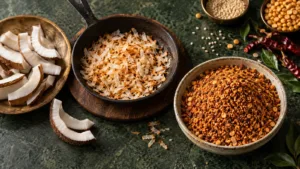
Dry coconut gives podi a rounder flavour and fuller mouthfeel. Here’s how roasting, natural fat and moisture control change the final spoonful.
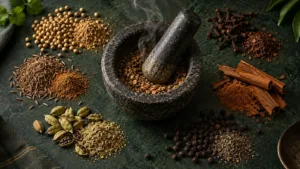
Grinding spices releases their aroma quickly, but it also exposes them to air. Here’s why ground spices smell stronger at first and fade sooner.
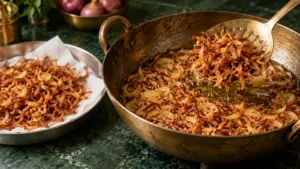
Fried onions do far more than add sweetness to biryani. They shape its aroma, colour, texture and the way the layers come together during dum.