


No products in the cart.
Return To Shop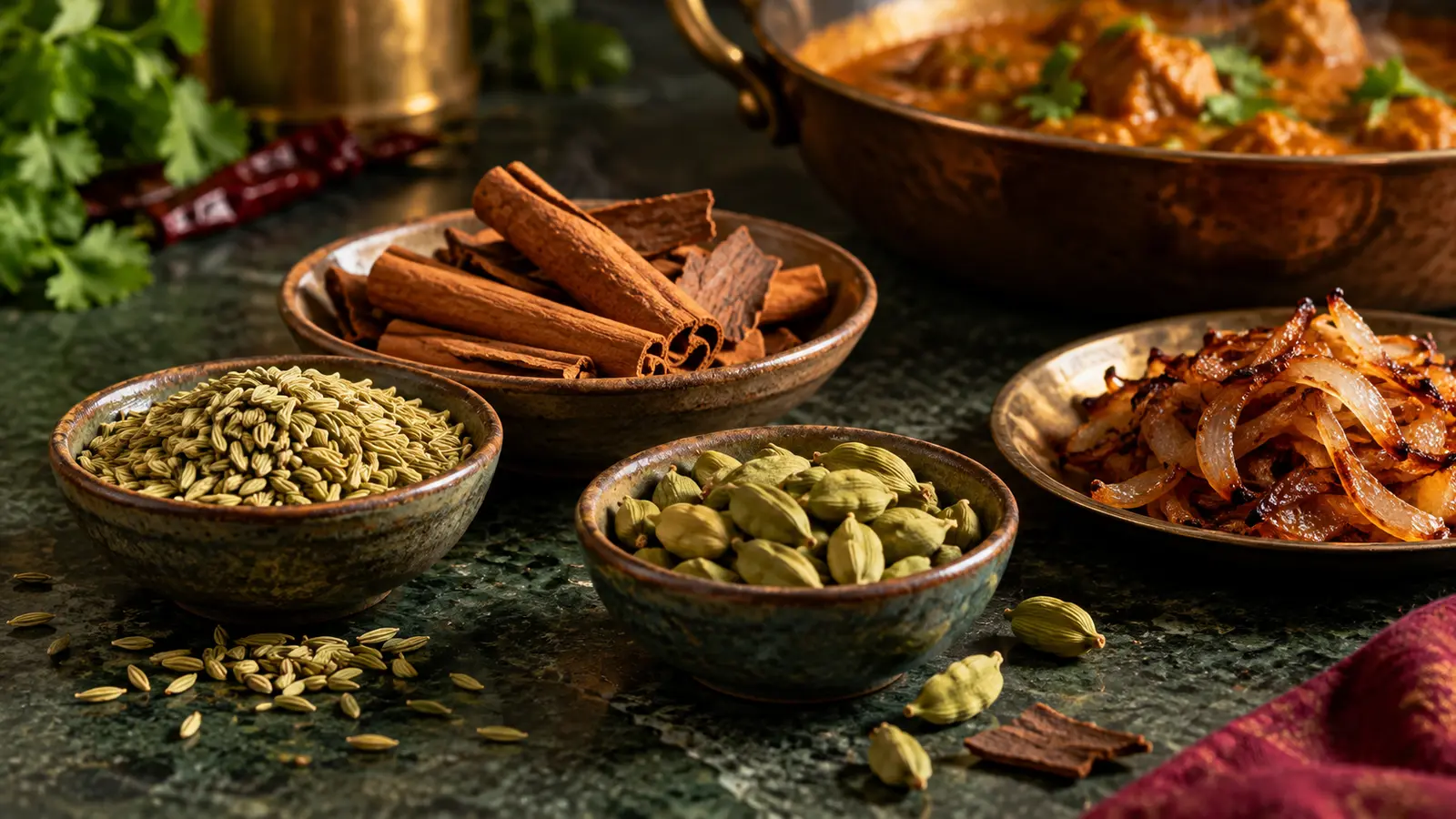
A masala can taste sweet even when sugar never entered the kitchen.
That sweetness may come from aroma, browned onions, mild chillies or spices such as fennel and cinnamon. Your tongue and nose are working together, and they don’t always wait for a nutrition label.
Sweet aroma can suggest sweet taste
Cinnamon, cardamom and fennel are strongly linked with sweet foods in many cuisines. Their aromas can make a savoury dish feel sweeter even when they add little or no sugar.
This is partly expectation. If a smell reminds you of kheer, chai or baked fruit, the brain prepares for sweetness.
In a curry, the same spice can feel warm and rounded rather than dessert-like.
Fennel has a naturally sweet character
Fennel seeds have an anise-like aroma and a gentle sweetness. They can soften the impression of chilli and make a blend feel broader.
Too much fennel can push a masala towards a liquorice note. The right quantity depends on the region and the dish.
Kashmiri, Bengali and several meat-based spice traditions use fennel in distinct ways. It isn’t a generic sweetness switch.
Cinnamon changes the mood of a blend
Cinnamon smells woody, warm and sweet. A small piece can round a curry or biryani without making it sugary.
Used heavily, it may dominate delicate ingredients and make every gravy taste oddly similar.
Cardamom can feel floral and sweet
Green cardamom brings a bright, floral aroma. Black cardamom is smokier and much less delicate.
Confusing the two changes a recipe dramatically. Green cardamom may create a soft sweet impression, while black cardamom adds depth and smoke.
Browned onions bring actual sugars
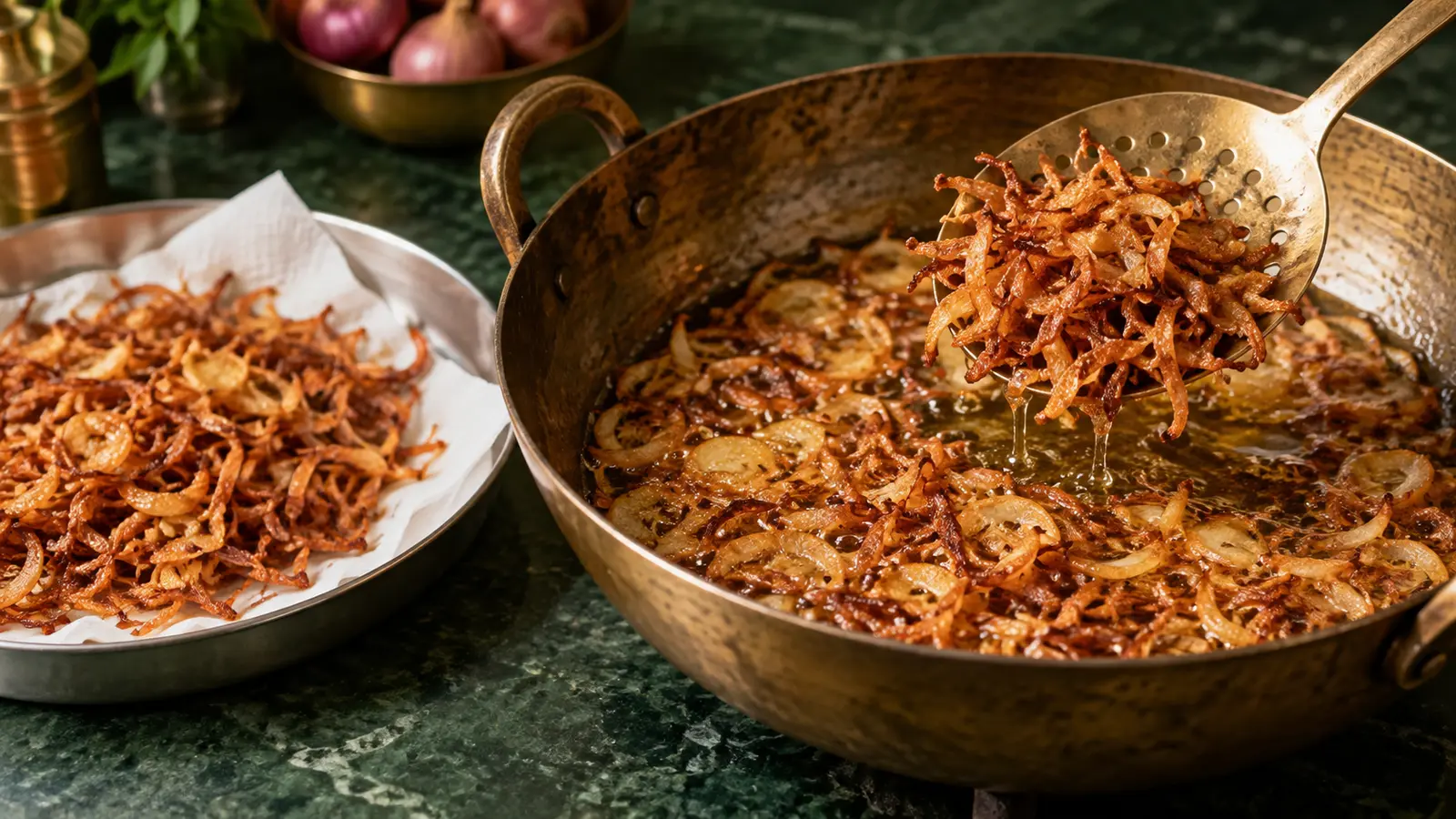
Onions naturally contain sugars. Slow cooking removes water and creates deeper browned flavours, which can make a gravy taste noticeably sweeter.
This is one reason a dark onion base tastes different from raw or lightly softened onion.
Mild chillies can add fruitiness
Not every chilli is mainly about heat. Some dried chillies bring colour, fruitiness and a rounded aroma that people may describe as sweet.
That doesn’t mean the chilli contains added sugar. It means flavour has more dimensions than hot or not hot.
See our comparison of Byadgi and Guntur chillies for a practical example.
Check the ingredient list anyway
A naturally sweet impression and added sugar are different things. If you’re buying a packaged masala, read the ingredient list rather than guessing from taste.
Sugar, dextrose and other sweetening ingredients should be declared. Our guide to reading a spice blend’s ingredient list explains what to look for.
The short answer
Some masalas taste sweet because fennel, cinnamon, cardamom, mild chillies and browned onions create sweet aromas or flavours.
That doesn’t automatically mean sugar was added. The ingredient list settles that question more reliably than your first impression.


Related posts
Rice in podi can shape its texture and toasted flavour. Learn why some recipes use it, with Rapidli Kerala Podi as a clear ingredient-list example.
Tamarind adds a sour note to Andhra Podi. Learn how it works with chilli and garlic, and why a dry blend behaves differently from a...more
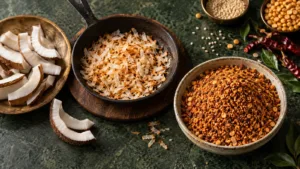
Dry coconut gives podi a rounder flavour and fuller mouthfeel. Here’s how roasting, natural fat and moisture control change the final spoonful.
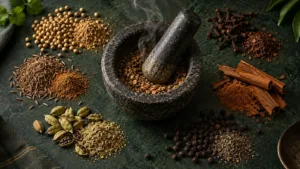
Grinding spices releases their aroma quickly, but it also exposes them to air. Here’s why ground spices smell stronger at first and fade sooner.
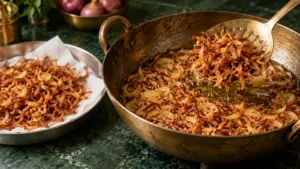
Fried onions do far more than add sweetness to biryani. They shape its aroma, colour, texture and the way the layers come together during dum.