


No products in the cart.
Return To Shop
You lift a potato slice from the bowl, and most of the batter falls straight back in. A little goes into the oil separately, leaving a bare patch on the vegetable. More spice won’t solve that problem.
For pakora batter that’s not sticking, start with what you can see: the vegetable’s surface and how the batter runs from the spoon.
Look for water on the surface
Vegetables washed just before dipping can carry more water than you realise. Cauliflower holds droplets between its branches, and a stack of potato slices can trap water between the pieces.
Drain well and pat away visible moisture with a clean towel before coating. You don’t need to dry the vegetable out. You’re removing the extra water sitting on it.
Some recipes call for parboiling a vegetable first. Follow that method, then let it drain and lose surface moisture before it meets the batter. A wet floret can dilute the batter as well as shed its coating.
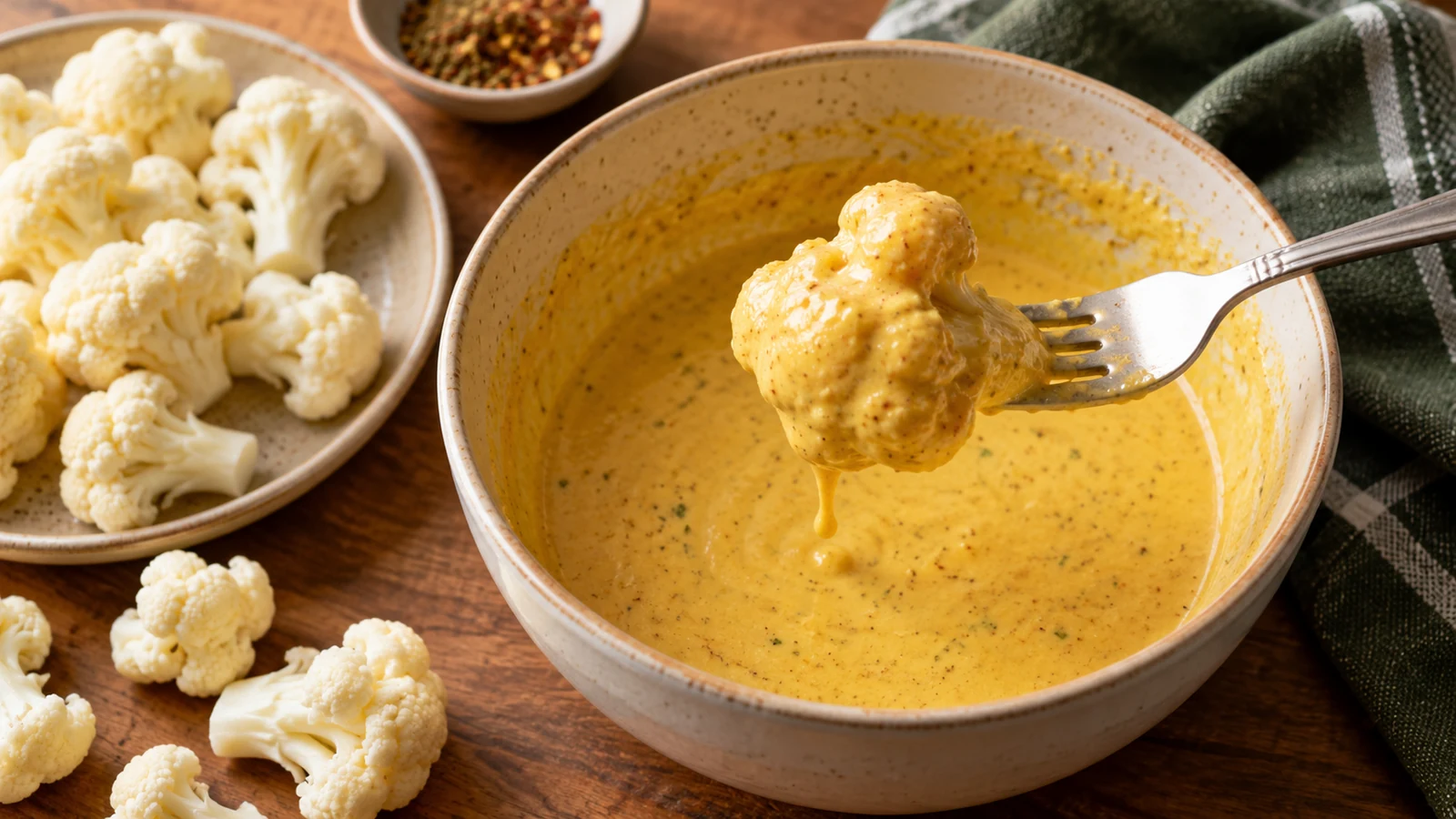
Watch the batter leave the spoon
A batter for dipping individual pieces should leave a coating behind. If it runs off like thin soup and immediately exposes the vegetable, it may need more besan.
Add a small amount of besan, whisk it in and check again. Let new flour hydrate briefly before deciding it needs another addition. Tipping in several handfuls at once can take you too far in the other direction.
A very stiff batter can sit in heavy ridges and refuse to spread over corners. Loosen it with water a teaspoon at a time. You’re looking for an even coating, not a thick lump hanging from one side.
Match the method to the pakora
Onion pakoras often use a different approach. The onions can release moisture after being mixed with salt, and the flour binds that moisture around the shreds. That mixture won’t behave like a bowl of batter for dipping potato slices.
Don’t copy a fixed water measure from one style and assume it’ll fit another. Vegetable quantity, flour and standing time all change what you need.
Check a rested bowl again before frying. If moisture has gathered, stir and assess it. Making a small adjustment now is easier than trying to fix a whole batch in the oil.
Use one piece as your test
Dip one manageable piece, let the excess drip off briefly and lower it carefully into properly heated oil. Keep your fingers clear of the oil and avoid dropping it from a height.
Watch how the coating sets. Oil that’s too cool can leave a greasy result; excessive heat can colour the outside before a thick vegetable cooks. Follow your recipe’s temperature and piece size, and let the oil recover between batches.
Give the coating a moment to set before turning. Repeatedly poking a freshly added piece can pull away batter that would otherwise have stayed in place.
Flavour comes after the coating works
Keep podi and other seasonings measured while adjusting the flour. If you add a lot of extra besan to repair a thin batter, check the seasoning on a fully cooked test piece. Don’t taste raw batter.
For help choosing the flour, read our besan and sattu guide. Our guide to adding podi covers how to handle roasted seasoning around heat.
A test piece gives you useful feedback. Once the coating and cooking are right, continue with the rest in small batches.


Related posts

Get to know black and yellow mustard seeds, from their flavour to the dishes they suit.
Learn when salting vegetables early helps, and when to wait until they're cooked.

What Do Cloves Add to an Indian Masala? with practical tips for everyday cooking.