


No products in the cart.
Return To Shop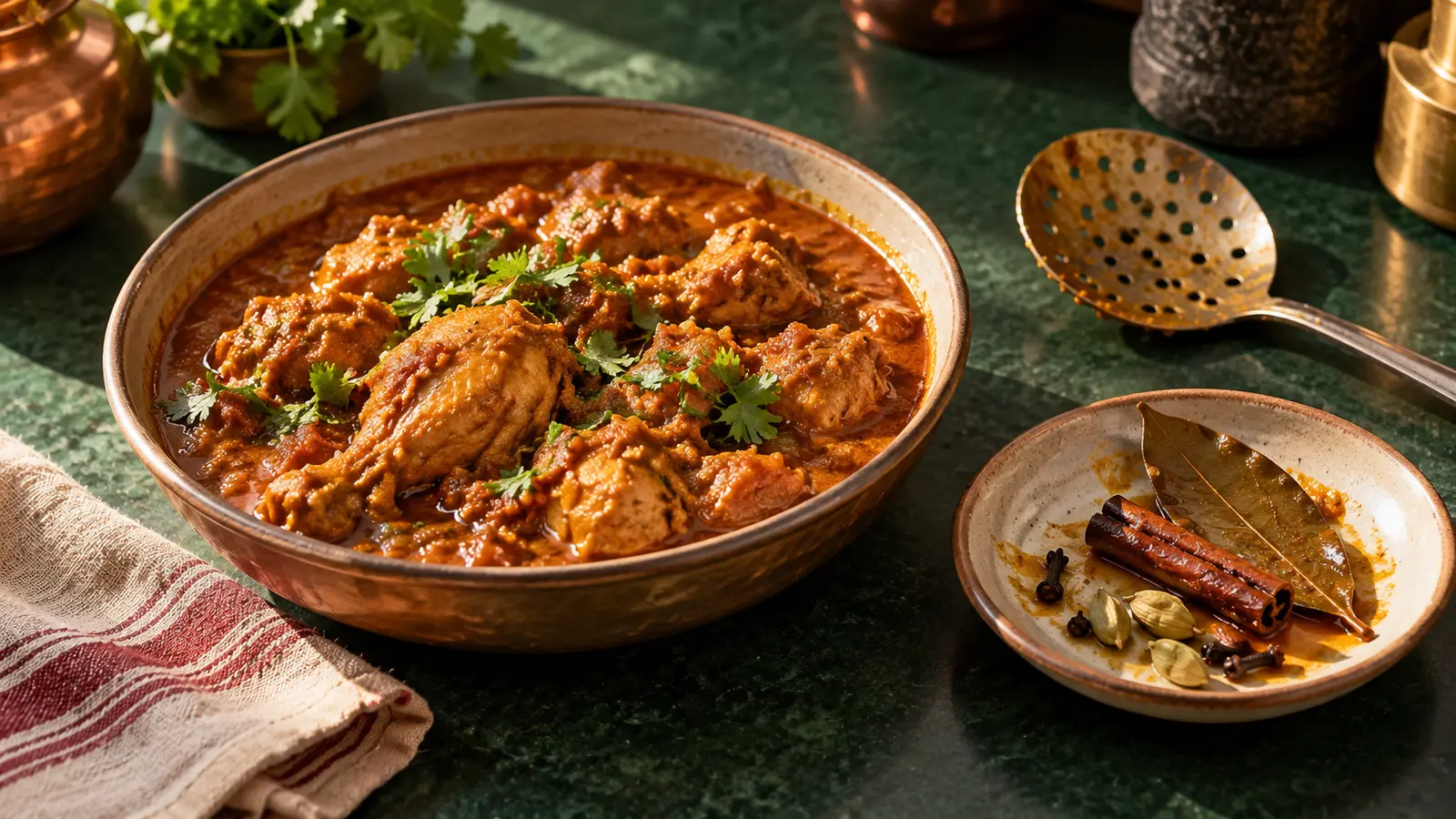
Whole spices do excellent work in a curry. They perfume the oil, deepen the gravy and make the kitchen smell serious.
Then someone bites into a clove.
That doesn’t mean whole spices were a mistake. It means their job and their serving experience are two different things.
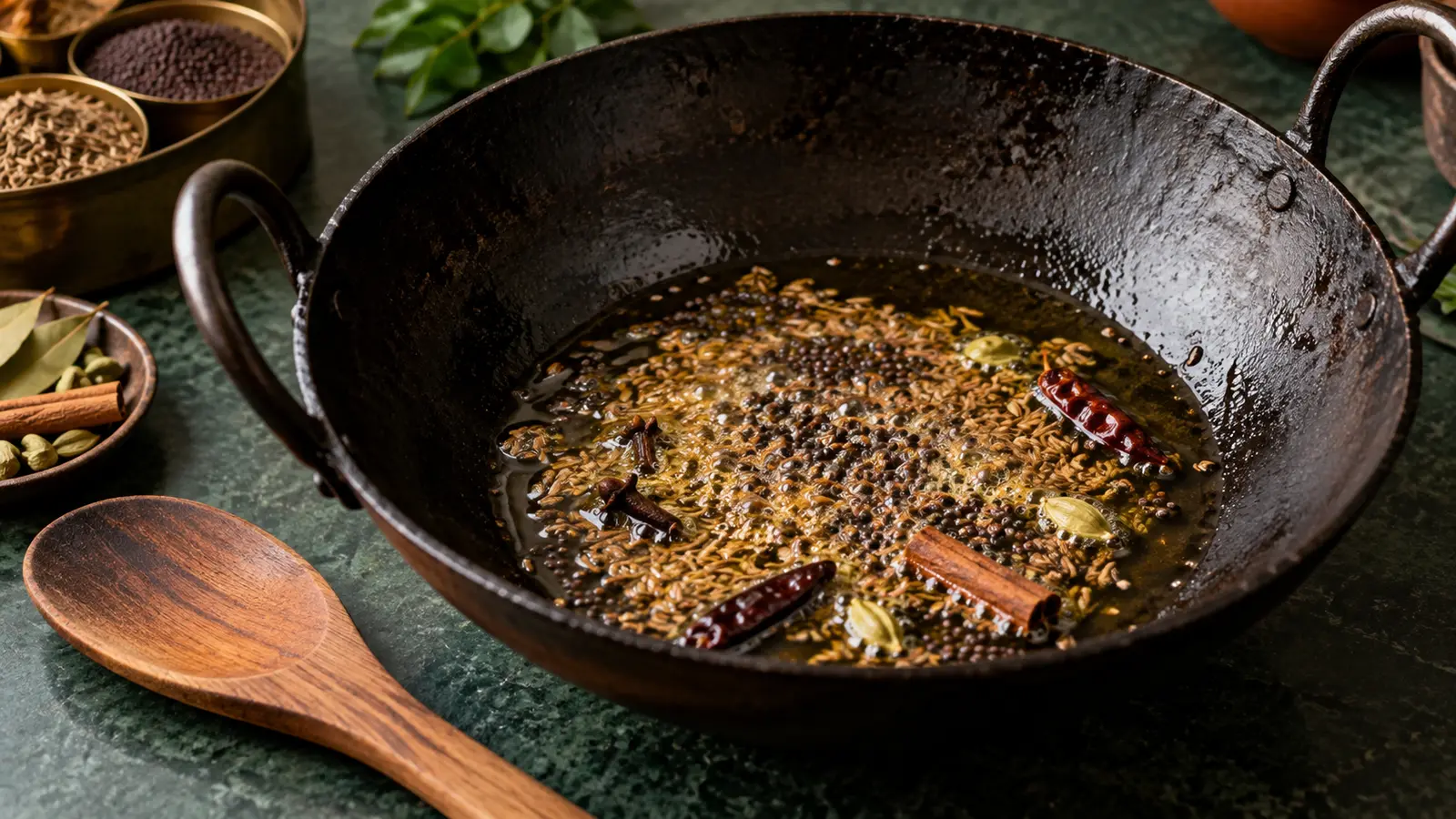
Why add spices whole?
Cardamom, cloves, cinnamon, bay leaves, peppercorns and cumin release flavour gradually. Frying them briefly in oil helps their aromatic compounds spread through the dish.
Whole spices also tolerate heat better than fine powder. They can season a long-cooked curry without disappearing into a dusty layer.
Our article on why spices are fried in oil covers what happens during that first fragrant minute.
Which spices are unpleasant to bite?
Cloves have a strong, numbing flavour. Green cardamom husks are fibrous, while black cardamom can feel woody and smoky when chewed.
Cinnamon bark and bay leaves are tough enough to be obvious. Large peppercorns may surprise anyone expecting a soft mouthful of gravy.
Cumin seeds, mustard seeds and fennel seeds are usually small and comfortable enough to remain.
Do whole spices keep adding flavour?
They continue releasing flavour during cooking, though the strongest transfer happens when they first meet hot fat and while the dish simmers.
Removing them immediately after tempering wastes some of their value. Removing the large pieces near the end keeps the flavour while making serving friendlier.
Count the big spices
If a recipe uses two cardamom pods, four cloves and one bay leaf, make a quick mental note.
Fish out those pieces before serving with a slotted spoon or kitchen tongs. This works well for everyday curries where the gravy doesn’t need straining.
Don’t chase every cumin seed around the pot. That way lies madness and cold dinner.
Use a spice pouch for smooth gravies
Place larger whole spices in clean muslin, tie the pouch securely and simmer it in the curry. Remove the pouch when the flavour is strong enough.
This is useful for stock, pulao water and smooth restaurant-style gravies.
A metal tea infuser can work for small quantities if it closes firmly and is made for high heat.
Strain when texture matters
For a silky gravy, cook the base with whole spices, let it cool slightly, then strain or blend according to the recipe.
Remove bay leaves, cinnamon and cardamom husks before blending. Tough fragments don’t become pleasant simply because the blender is powerful.
What about biryani and pulao?
Whole spices are harder to retrieve once they’re mixed through rice. A pouch can help, especially when you’re serving guests or children.
Some cooks leave the spices in because they’re part of the traditional experience. That’s fine too. Tell people what to expect and don’t use far more whole spice than the recipe needs.
The short answer
You don’t have to remove every whole spice, but taking out bay leaves, cinnamon sticks, cardamom pods and obvious cloves makes a curry easier to eat.
Let them flavour the dish first. Then remove the pieces that have finished their job.


Related posts
Rice in podi can shape its texture and toasted flavour. Learn why some recipes use it, with Rapidli Kerala Podi as a clear ingredient-list example.
Tamarind adds a sour note to Andhra Podi. Learn how it works with chilli and garlic, and why a dry blend behaves differently from a...more
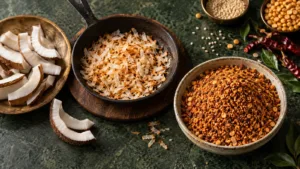
Dry coconut gives podi a rounder flavour and fuller mouthfeel. Here’s how roasting, natural fat and moisture control change the final spoonful.
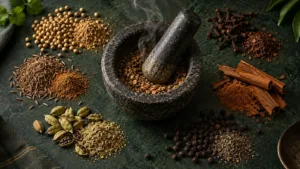
Grinding spices releases their aroma quickly, but it also exposes them to air. Here’s why ground spices smell stronger at first and fade sooner.
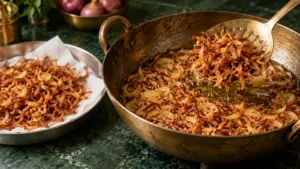
Fried onions do far more than add sweetness to biryani. They shape its aroma, colour, texture and the way the layers come together during dum.