


No products in the cart.
Return To Shop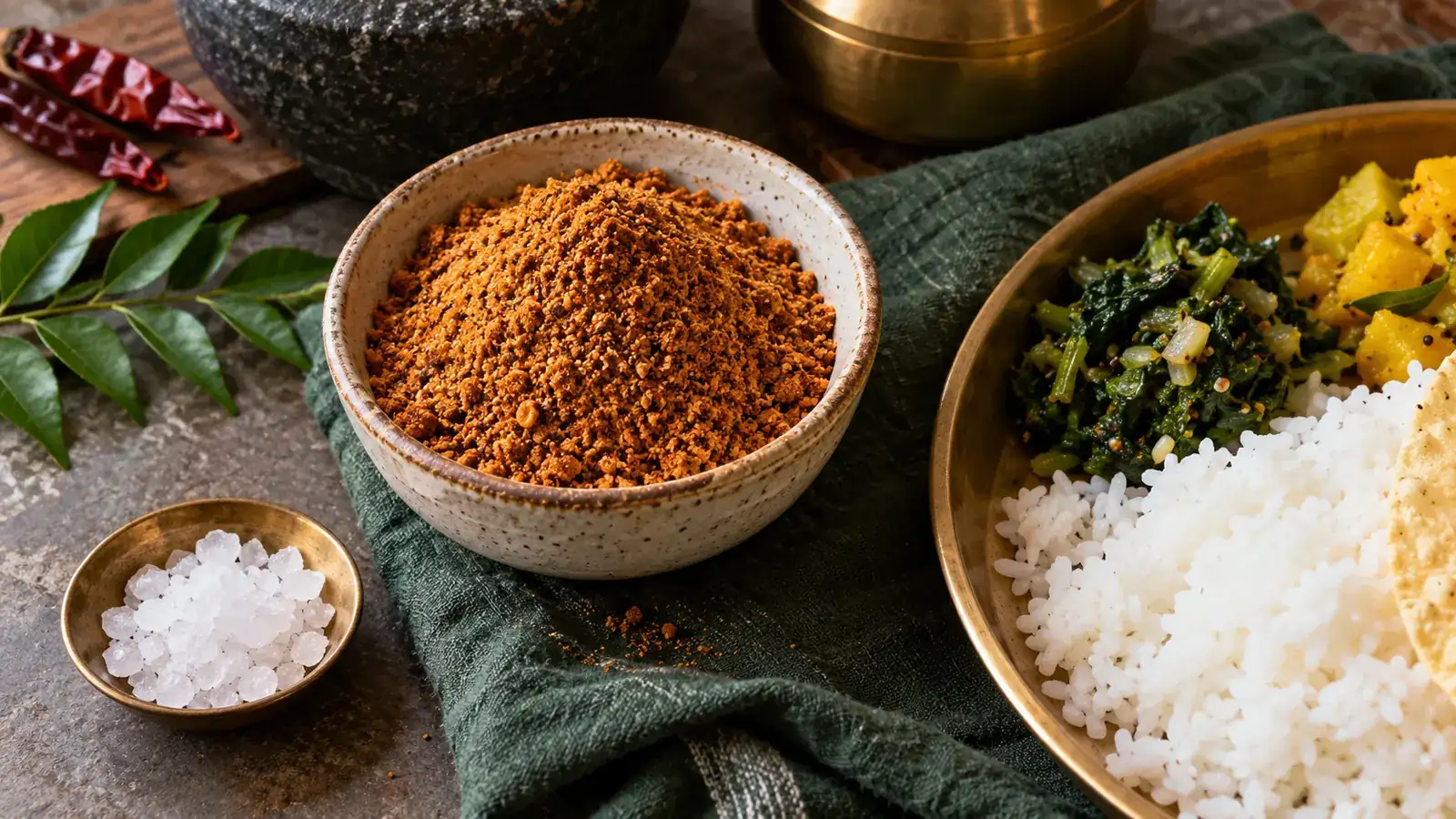
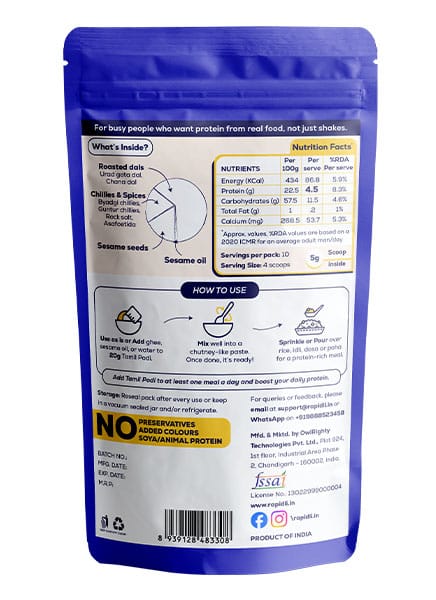
Yes, podi can already contain salt. Rapidli’s Tamil Podi ingredient list, for example, includes rock salt. That matters when you’re adding it to food that may already be seasoned.
There’s no fixed extra pinch that works for every meal. Taste the finished dish after adding podi, then decide.
Season in the right order
Here’s a simple way to avoid a salty surprise:
- Check the ingredient list on the pouch you’re using.
- Cook the main dish with less salt than you might usually add, if you plan to use a generous amount of podi.
- Add a small amount of podi and mix or sprinkle it through.
- Taste a full bite, then add more podi or a little salt if needed.
This is especially useful with rice, eggs, noodles and chilla. A plain base gives you room to adjust. A dish that already contains salty cheese, pickle or packaged sauce gives you less room.
Salt and podi do different jobs
If a dish tastes flat, it may need more podi, a squeeze of lemon or a touch of salt. Those changes won’t taste the same. Podi brings its roasted pulse and spice flavour. Salt can make the flavours already there easier to notice.
Try a small bite before changing the whole pan. You might find that the podi has done enough on its own.
What about the amount of podi?
A light finishing sprinkle adds less salt than several spoonfuls stirred through a meal. The food underneath matters too. Salted noodles and plain steamed rice will respond differently to the same podi.
If you’re still finding your preferred amount, start with our practical podi serving guide. Use the pouch label for the blend in your hand, then trust your taste. It’s a much better guide than adding salt by habit.

Related posts
Rice in podi can shape its texture and toasted flavour. Learn why some recipes use it, with Rapidli Kerala Podi as a clear ingredient-list example.
Tamarind adds a sour note to Andhra Podi. Learn how it works with chilli and garlic, and why a dry blend behaves differently from a...more
Dry coconut gives podi a rounder flavour and fuller mouthfeel. Here’s how roasting, natural fat and moisture control change the final spoonful.
Grinding spices releases their aroma quickly, but it also exposes them to air. Here’s why ground spices smell stronger at first and fade sooner.
Fried onions do far more than add sweetness to biryani. They shape its aroma, colour, texture and the way the layers come together during dum.