

No products in the cart.
Return To Shop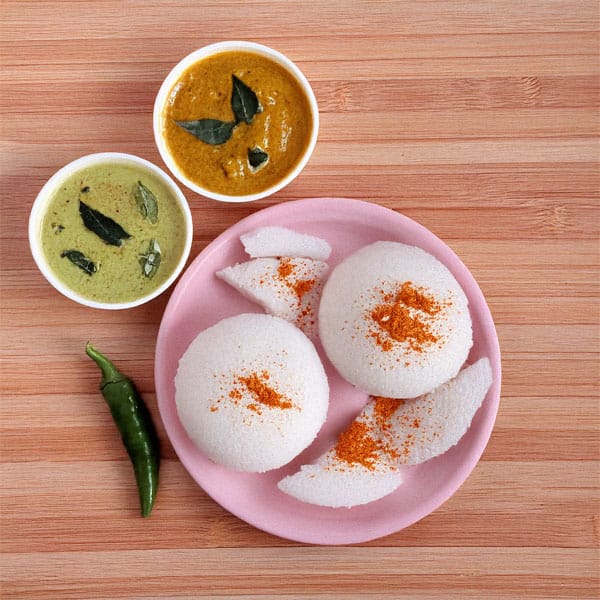
Idli has a “halo” as a light, healthy South Indian breakfast, and for good reason: it’s steamed, easy on the stomach, and tastes amazing with chutney and sambar. But if you zoom out and look at the macros, a regular idli plate is mostly carbohydrates with only a modest amount of protein. With a smarter podi masala and a couple of simple add‑ons, that same comforting meal can start behaving much more like a genuinely high‑protein breakfast.
Why protein at breakfast changes your day
Picture a typical rushed morning: a few idlis or slices of toast, tea or coffee, and then straight into calls or commute. By mid‑morning, hunger creeps back in and suddenly biscuits, namkeen or chocolates look very inviting.
Getting a meaningful dose of protein in that first meal helps in very practical ways:
- You stay full for longer, so you are less likely to mindlessly snack on low‑quality stuff.
- Your body gets raw material for muscle repair and recovery, especially if you work out or have a physically demanding day.
- Energy feels more stable, instead of the sharp “carb high” and crash pattern.
For most adults who want to stay lean, lift, or simply feel sharp and steady mentally, a decent chunk of protein at breakfast is far more useful than pushing almost all of it to dinner.
What’s missing from a typical idli plate
A classic breakfast in many homes might be three or four idlis, coconut chutney and a bit of sambar. It’s delicious, light and familiar, but from a nutrition perspective it has some gaps:
- Rice is a major part of the batter, which pushes the carb load up.
- Urad dal contributes some protein, but at common rice: dal ratios it’s not a lot per plate.
- Coconut chutney is mostly fat and flavour unless you’re using a good amount of dal in it.
- Sambar is helpful, but many people just drizzle a little instead of taking a full bowl.
So you get comfort and volume, but the total protein for someone with modern activity levels is still on the lower side.
How podi masala quietly lifts protein
A well‑made podi masala is essentially a dry chutney created by roasting and grinding dals with spices, and often seeds or nuts. The lentils and pulses inside are doing the heavy nutritional lifting. When podi moves from “tiny pinch for extra heat” to a regular, visible part of the plate, a few things change:
- Each spoonful brings extra plant protein from dals and pulses.
- You add more fibre and micronutrients from spices, seeds and any nuts used.
- The meal feels more satisfying, so you tend to eat more mindfully and feel less driven to overload on other carbs later.
If the podi itself has a high proportion of dals and seeds, rather than being mostly chilli and salt, you get more protein per spoon without having to change the way you eat in a big way.
Step by step: turning idli into a higher‑protein breakfast
You don’t need a completely new breakfast. You just upgrade the pieces that are already there.
1. Keep the idli familiar
Start with roughly three to four idlis for an adult, or less for someone who prefers a lighter start. If you grind your own batter, you can slowly experiment with:
- Slightly increasing the urad dal to rice ratio.
- Occasionally swapping a portion of rice with another dal or grain you enjoy.
Do this gradually so the family doesn’t experience a sudden, obvious change in taste or texture.
2. Treat podi as a main element, not a token
Instead of a light sprinkle pushed to the side of the plate, think in terms of a proper serving:
- Mix one to two heaped teaspoons of podi with ghee or gingelly (sesame) oil to make a thick, aromatic paste.
- Dip each bite of idli into this paste, or toss bite‑sized idlis in it to make a proper “podi idli”.
Used this way, podi shifts from garnish to a meaningful protein carrier in the meal.
3. Anchor the plate with at least one dal‑heavy side
Sambar, rasam made with lentils, or any simple dal dish can do this job:
- Serve yourself a full, honest bowl rather than a token spoon poured on top.
- Actually eat the dal with the idlis, instead of leaving most of it in the bowl.
Even a straightforward toor dal or mixed dal with vegetables adds another stream of protein alongside the podi.
4. Add a booster on days you need extra support
Some mornings you know you’ll have a long gap until the next meal or a tough training session. On those days, add one more protein‑rich element:
- A small bowl of thick dahi or homemade curd.
- A quick paneer scramble or bhurji if you enjoy a heavier, more filling breakfast.
- For non‑vegetarians, a boiled egg or two.
With podi plus one of these extras, most people notice that the urge to snack before lunch drops significantly.
5. Adjust heat and portions for kids
The same structure works beautifully for children, with a few tweaks:
- Use a milder podi, or blend regular podi with extra roasted dal powder to tone down the chilli.
- Lightly coat one or two small idlis in ghee and just a little podi, so flavour is present but not overpowering.
- Serve plenty of sambar and a few spoonfuls of curd to keep the plate balanced.
The aim is to make every bite a bit more nourishing, not to load kids up with too much spice.
Shortcuts for busy days that still protect protein
You don’t have to assemble a “perfect” plate every single morning. A few patterns make higher‑protein idlis more realistic on workdays.
Lunchbox mini podi idlis
Make mini idlis, toss them in podi and ghee while they are warm, and pack them with a small container of thick curd or a dal‑based chutney. This works nicely for office dabbas and school tiffins.
Leftover idli upgrade
Instead of just reheating plain idlis, cut them into cubes and quickly stir‑fry in a pan with podi, a bit of oil and some chopped vegetables. You get better flavour, improved texture, and more protein per forkful thanks to the podi.
Always‑ready podi jar
Keeping a small airtight jar of podi at your desk or in your bag means even a very basic canteen idli or dosa can be upgraded on the spot with an extra spoon of dal‑rich flavour.
Picking a podi that can actually do this job
If you want podi to play this strategic role week after week, the quality of the mix matters:
- Look for ingredient lists where specific dals, pulses and possibly seeds are clearly mentioned near the top.
- Prefer clean‑label recipes without vague “spice mix” wording or cheap fillers.
- Choose a flavour profile that your household is happy to eat often—balanced heat, good aroma, not just raw chilli.
When your podi is built this way, it stops being an occasional side and quietly becomes a daily protein helper. You still get the familiar joy of a soft, steaming idli, but now that breakfast is doing more backstage work for your muscles, hunger and energy through the day.
Related posts

What would be more soul satisfying than to deep dive into plate of steaming idlis or crispy dosas, accompanied with coconut chutney and sambar? There...more

In a traditional home in Southern India, Gunpowder is eaten with rice and ghee. It’s also eaten with dosa and idli, mixed with hot sesame...more

What is Podi? Have you heard of chutney powders? These are fine to coarse dry mixtures that resemble spices, typically dipped in a little oil...more
Add comment